Revolutionizing Biomedical Implants: A Deep Dive into 3D Printed Electrodes for Electrical Discharge Coating (EDC)
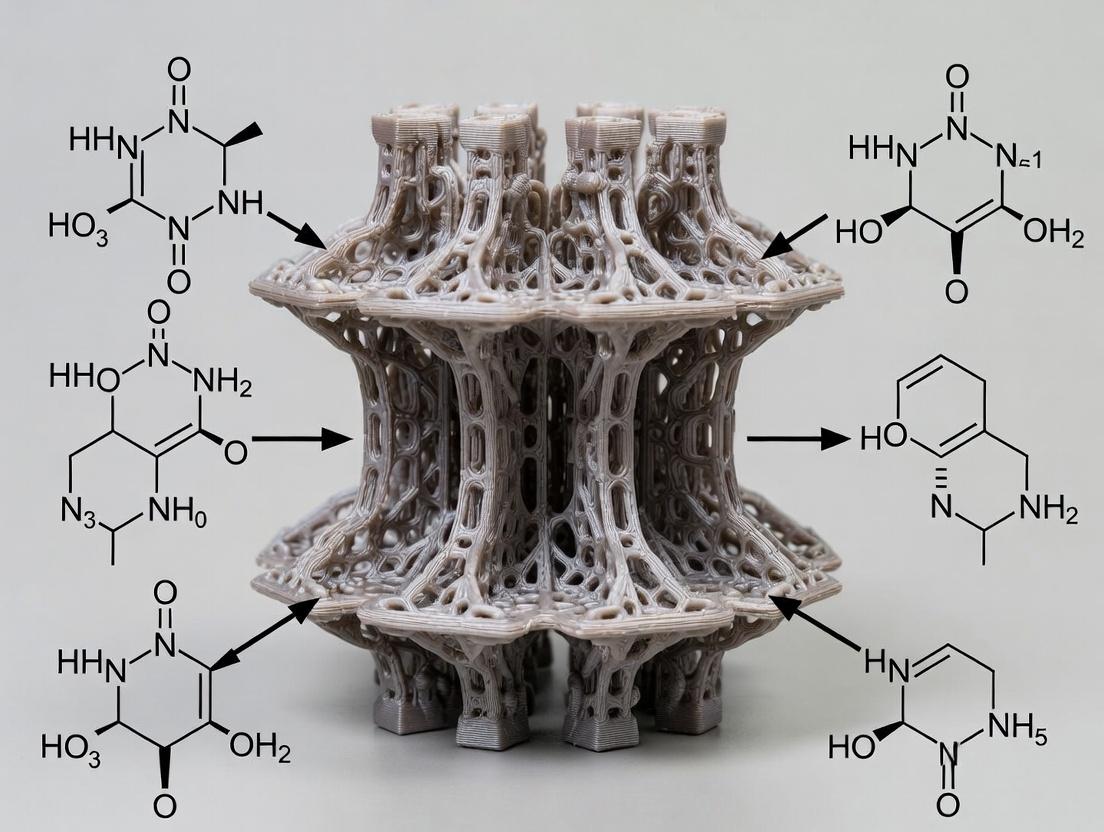
This article explores the frontier of biomedical surface engineering, focusing on the synergy between additive manufacturing (3D printing) and Electrical Discharge Coating (EDC).
Revolutionizing Biomedical Implants: A Deep Dive into 3D Printed Electrodes for Electrical Discharge Coating (EDC)
Abstract
This article explores the frontier of biomedical surface engineering, focusing on the synergy between additive manufacturing (3D printing) and Electrical Discharge Coating (EDC). Tailored for researchers and biomedical engineers, it provides a comprehensive analysis from foundational principles to clinical implications. The content systematically covers the core mechanism of EDC for creating bioactive and antimicrobial surfaces, details the methodological workflow from CAD design to coated implant, addresses critical challenges in achieving uniform coatings on complex geometries, and validates performance through comparative analysis with traditional methods like plasma spray and CVD. The synthesis aims to empower professionals with the knowledge to leverage this hybrid technology for developing next-generation, patient-specific medical implants with enhanced osseointegration and infection resistance.
From Spark to Surface: Unpacking the Science of 3D Printed EDC for Biomedical Implants
Application Notes
3D Printing of Conductive Electrodes
Purpose: To fabricate complex, patient-specific, or high-surface-area electrodes for EDC applications. Additive manufacturing enables geometries unattainable via conventional machining, crucial for catalytic or sensing performance in drug development research.
Key Technologies:
- Fused Deposition Modeling (FDM): Uses conductive thermoplastic composites (e.g., PLA/CNT, ABS/graphene). Low cost, suitable for prototyping.
- Direct Ink Writing (DIW): Extrudes conductive inks/pastes (e.g., silver nanoparticle, carbon-based). Enables finer features and multi-material printing.
- Selective Laser Melting (SLM): Fully melts metal powder (e.g., Ti, SS316L). Produces dense, mechanically robust metallic electrodes.
Electrical Discharge Coating (EDC)
Purpose: To modify the surface of 3D-printed electrodes by depositing a functional coating or altering surface morphology. This is achieved through controlled electrical discharges between the electrode (tool) and the workpiece in a dielectric fluid, transferring tool material to the workpiece surface.
Key Mechanisms:
- Material Transfer: Electrode material is eroded and deposited onto the substrate via thermal diffusion and re-solidification.
- Surface Alloying: When using powder-mixed dielectric, particles are fused into the surface, creating a metal matrix composite layer.
- Nanoparticle Generation: The process can generate and deposit nanoparticles from the tool electrode.
Convergence Thesis Context: 3D printing provides the tailored electrode substrate; EDC functionalizes its surface. This integrated approach is pivotal for creating next-generation electrodes with optimized bulk properties (from 3DP) and tailored surface chemistry/catalysis (from EDC) for applications in electrochemical sensing and energy conversion relevant to pharmaceutical research.
Table 1: Comparison of 3D Printing Techniques for Electrode Fabrication
| Technique | Typical Materials | Minimum Feature Size (µm) | Conductivity Range (S/cm) | Key Advantage for Electrode Research |
|---|---|---|---|---|
| FDM | PLA/CNT, ABS/Graphene | 200 | 10⁻⁵ – 10¹ | Low-cost, rapid iteration of macro geometries |
| DIW | Ag Nanoparticle Ink, rGO Paste | 50 | 10² – 10⁵ | High conductivity, multi-material, biocompatible inks |
| SLM | Ti-6Al-4V, SS316L, CoCr | 80 | 10⁴ – 10⁵ | Fully metallic, high strength, complex internal channels |
Table 2: EDC Process Parameters and Coating Outcomes
| Process Parameter | Typical Range | Effect on Coating Characteristic (Drug Dev. Context) |
|---|---|---|
| Current (A) | 1 – 20 | Higher current increases coating thickness & roughness (enhances surface area for sensing). |
| Pulse Duration (µs) | 50 – 500 | Longer pulses promote alloying; shorter pulses yield finer grains. |
| Dielectric Medium | Kerosene, Deionized Water | Influences heat transfer, oxidation, and material transfer efficiency. |
| Tool Electrode | Graphite, Cu, WC, Ti | Determines coating composition (biocompatibility, catalytic property). |
| Powder Additive (if used) | SiC, Ti, Al₂O₃ | Forms composite coating, enhancing wear resistance or bioactivity. |
| Resultant Coating Thickness | 5 – 150 µm | Dictates long-term stability and active material loading. |
| Average Surface Roughness (Ra) | 1 – 15 µm | Directly impacts electrochemical active surface area (ECSA). |
Experimental Protocols
Protocol 1: Fabrication of a 3D-Printed Ti-6Al-4V Working Electrode via SLM
Objective: Produce a porous, lattice-structured Ti electrode for subsequent EDC bio-functionalization.
- Design: Create a 3D model (STL file) of a cylindrical electrode (Ø5mm x 30mm) with a gyroid lattice infill (70% porosity) using CAD software.
- Preparation: Load gas-atomized Ti-6Al-4V powder into SLM system chamber. Maintain argon atmosphere (O₂ < 0.1%).
- Printing Parameters:
- Laser Power: 250 W
- Scan Speed: 1200 mm/s
- Layer Thickness: 30 µm
- Hatch Spacing: 100 µm
- Post-Processing: Remove from build plate via wire EDM. Stress relieve at 650°C for 3 hours in argon. Ultrasonically clean in isopropanol for 15 minutes.
- Pre-EDC Treatment: Etch in 2% HF solution for 60s, rinse with deionized water, dry.
Protocol 2: Surface Coating via Powder-Mixed EDC
Objective: Deposit a biocompatible, catalytic titanium nitride (TiN) coating on the 3D-printed Ti electrode.
- Setup: Use a sinker EDM machine.
- Tool Electrode: High-purity graphite rod (Ø3mm).
- Workpiece: The 3D-printed Ti electrode from Protocol 1.
- Dielectric Preparation: Suspend 20 g/L of fine titanium powder (<5 µm) in commercial EDM oil. Circulate using a magnetic stirrer in the dielectric tank.
- Process Parameters:
- Polarity: Workpiece (+), Tool (-)
- Peak Current: 6 A
- Pulse-on Time: 100 µs
- Pulse-off Time: 50 µs
- Machining Time: 30 minutes
- Post-Coating: Ultrasonicate coated electrode in acetone for 10 min to remove debris. Characterize via SEM/EDS and XPS.
Diagrams
Diagram 1: Integrated Workflow for 3DP-EDC Electrode Development
Diagram 2: EDC Material Transfer Mechanism
The Scientist's Toolkit: Research Reagent & Material Solutions
Table 3: Essential Materials for 3DP-EDC Electrode Research
| Item | Function in Research | Example/Specification |
|---|---|---|
| Conductive FDM Filament | For rapid prototyping of electrode geometries. | PLA infused with Multi-Walled Carbon Nanotubes (PLA/MWCNT). |
| DIW Conductive Ink | For printing high-conductivity traces on flexible or biocompatible substrates. | Silver nanoparticle ink (80 wt%, particle size <50nm). |
| Metal Powder for SLM | Raw material for printing dense, structural metal electrodes. | Gas-atomized Ti-6Al-4V ELI grade, particle size 15-45 µm. |
| EDM Dielectric Fluid | Medium for discharge, cooling, and debris removal during EDC. | Hydrocarbon-based EDM oil (e.g., Total Finima ED2). |
| Functional Powder (for EDC) | Provides the coating's functional element (biomaterial, catalyst). | Titanium powder (<5 µm, 99.5% purity) for TiN/TiO₂ formation. |
| Graphite Tool Electrode | Consumable tool for EDC; source of carbon or inert counter-electrode. | Isomolded graphite, high purity, fine grain (e.g., POCO EDM-3). |
| Electrochemical Cell Kit | To test the performance of fabricated 3DP-EDC electrodes. | 3-electrode cell kit with Pt counter & Ag/AgCl reference electrode. |
| Surface Characterization Suite | To validate coating composition, morphology, and roughness. | Access to SEM with EDS, Atomic Force Microscope (AFM), XPS. |
Within the broader thesis on 3D printed electrodes for electrical discharge coating (EDC) research, understanding the fundamental transfer mechanism is critical. EDC, a derivative of electrical discharge machining (EDM), is a non-traditional, thermo-electric process used to apply a surface coating by exploiting controlled electrical discharges between an electrode (the material donor) and a 3D printed substrate (the workpiece) submerged in a dielectric fluid. This application note details the core principles and provides protocols for researchers aiming to utilize EDC for modifying 3D printed conductive substrates, with potential applications in creating bespoke electrochemical sensors or catalytic surfaces for drug development research.
Core Principles of Material Transfer
The transfer of electrode material to a 3D printed substrate in EDC occurs through a sequence of thermo-physical events during a pulsed spark discharge.
- Dielectric Breakdown: A potential difference is applied between the electrode and the substrate, separated by a dielectric fluid (e.g., hydrocarbon oil, deionized water). When the voltage exceeds the dielectric strength of the fluid, the fluid ionizes, creating a conductive plasma channel.
- Plasma Channel Formation & Energy Concentration: The plasma channel, with temperatures reaching 8,000–20,000 °C, acts as a conduit for current. Intense localized heat is generated at both the electrode (anode/positive) and substrate (cathode/negative) surfaces, depending on polarity.
- Melting and Vaporization: The micron-scale area at the point of spark impact on both materials is instantaneously melted and partially vaporized. For material transfer to the substrate, the electrode is typically set as the anode (+), causing it to erode.
- Material Ejection and Transfer: The explosive vaporization and dielectric fluid collapse create a transient, high-pressure bubble. This forces the molten and vaporized electrode material to be ejected and propelled toward the substrate surface.
- Rapid Solidification and Layer Formation: The molten material splat-quenches onto the relatively cooler substrate at rates exceeding 10^6 °C/s, forming a metallurgically bonded, rapidly solidified layer. The process repeats thousands of times per second, with each discharge creating a microscopic crater and deposit, leading to a uniform coating.
Key Factors Influencing Transfer:
- Polarity: Anodic electrode material is transferred to a cathodic substrate.
- Discharge Energy (Peak Current, Pulse Duration): Governs the amount of material melted per spark.
- Dielectric Fluid: Affects plasma channel characteristics and cooling rate.
- Electrode Material: Determines the composition of the coating (common materials: Cu, W, WC, Graphite, Ti).
- Substrate Conductivity: The 3D printed substrate must be electrically conductive (e.g., carbon-loaded PLA, metal-impregnated resin).
The following tables summarize critical parameters from recent research on EDC using 3D printed substrates.
Table 1: EDC Process Parameters and Coating Characteristics
| Parameter | Typical Range | Effect on Coating Transfer |
|---|---|---|
| Open Circuit Voltage (V) | 80 - 200 V | Influences spark gap and ignition. |
| Peak Current (Ip) | 1 - 30 A | Higher current increases melt pool size, coating thickness, and roughness. |
| Pulse-on Time (Ton) | 1 - 100 µs | Longer Ton increases energy, aiding thicker but potentially cracked coatings. |
| Pulse-off Time (Toff) | 5 - 50 µs | Insufficient Toff leads to arcing; longer Toff improves debris flushing. |
| Duty Cycle (%) | 5 - 50% | Ratio of Ton to total cycle time; affects average power input. |
| Electrode Polarity | Positive (Anode) | Essential for net transfer of electrode material to substrate. |
| Resulting Coating Thickness | 5 - 150 µm | Function of total discharge energy and duration. |
| Surface Roughness (Ra) | 1 - 10 µm | Increases with higher discharge energy. |
Table 2: Common Material Systems for 3D Printed Substrate EDC
| 3D Printed Substrate Material | Electrode Coating Material | Key Findings / Applications |
|---|---|---|
| Conductive PLA (Carbon-filled) | Copper (Cu) | Improved surface conductivity, electrochemical sensing capability. |
| Stainless Steel (SLS Printed) | Tungsten Carbide (WC) | Enhanced surface hardness and wear resistance. |
| Ti-6Al-4V (EBM Printed) | Graphite | Formation of biocompatible titanium carbide layers. |
| Photopolymer Resin (Ag-coated) | Brass | Selective functionalization of microfluidic electrode channels. |
Experimental Protocol: EDC on a 3D Printed Conductive PLA Substrate
Objective: To deposit a uniform copper coating onto a carbon-black infused PLA 3D printed substrate to enhance its electrochemical properties for sensor development.
I. Materials Preparation
- Substrate Fabrication: 3D print a test coupon (e.g., 15mm x 15mm x 3mm) using conductive PLA filament. Ensure print parameters maximize density to reduce porosity.
- Substrate Post-Processing: Lightly sand the target surface with P800 grit sandpaper. Clean ultrasonically in isopropanol for 10 minutes and dry.
- Electrode Preparation: Use a cylindrical copper (C101) electrode (Ø 6mm). Polish the discharge face flat and clean.
- Dielectric Setup: Fill the EDC tank with commercial EDM oil (hydrocarbon dielectric). Ensure the fluid filtration system is operational.
II. EDC Coating Procedure
- Workpiece Mounting: Securely mount the 3D printed PLA substrate to the machine bed (cathode). Ensure electrical contact is robust.
- Electrode Mounting: Mount the copper electrode in the tool holder connected to the positive terminal (anode).
- Parameter Setting: Input the following baseline parameters into the EDC power supply:
- Polarity: Electrode (+), Workpiece (-)
- Open Circuit Voltage: 100 V
- Peak Current (Ip): 5 A
- Pulse-on Time (Ton): 10 µs
- Pulse-off Time (Toff): 20 µs
- Total Coating Time: 5 minutes
- Machining Operation: Submerge the workpiece. Set a small spark gap (~25 µm). Initiate the process. Monitor for stable sparking without excessive arcing.
- Post-Coating: Remove the part, rinse thoroughly in an ultrasonic cleaner with fresh dielectric fluid, followed by ethanol. Air dry.
III. Coating Characterization
- Morphology: Analyze coating cross-section and surface morphology using Scanning Electron Microscopy (SEM).
- Thickness: Measure coating thickness from SEM cross-sectional images at multiple points.
- Composition: Perform Energy Dispersive X-ray Spectroscopy (EDS) to confirm elemental transfer.
- Adhesion: Conduct a tape test (ASTM D3359) or micro-scratch test for qualitative/sub-quantitative adhesion assessment.
- Electrochemical Activity: Perform Cyclic Voltammetry in a standard redox couple (e.g., 1mM Ferricyanide) to assess improvement over bare 3D printed PLA.
The Scientist's Toolkit: Research Reagent Solutions & Essential Materials
| Item | Function in EDC for 3D Printed Electrodes |
|---|---|
| Conductive PLA Filament | The 3D printable, carbon-loaded polymer substrate. Provides baseline conductivity necessary for discharge initiation. |
| Copper (C101) Electrode Rod | The sacrificial anode material. Source of Cu ions/particles for coating the substrate to enhance electrochemical conductivity. |
| Hydrocarbon EDM Dielectric Oil | Insulating medium that ionizes to form plasma channel, cools the region, and flushes debris from the spark gap. |
| Isopropanol (IPA), Lab Grade | Cleaning agent for substrates and electrodes to remove oils and contaminants prior to EDC processing. |
| Potassium Ferricyanide, 99% | Standard redox probe for electrochemical characterization of the coated electrode's performance via Cyclic Voltammetry. |
| Potassium Chloride (Electrolyte) | Supporting electrolyte for electrochemical testing, ensuring solution conductivity and minimal migration effects. |
| Conductive Silver Paste | Used to establish a reliable electrical connection between the 3D printed substrate and the EDC machine holder. |
Visualizing the EDC Process and Workflow
Diagram 1: Core EDC material transfer mechanism.
Diagram 2: Comprehensive experimental workflow for EDC research.
Why Titanium and Its Alloys Are the Prime Substrates for Orthopedic and Dental Applications
Application Notes
Titanium (Ti) and its alloys, particularly Ti-6Al-4V, are the dominant materials for orthopedic and dental implants. This preference is anchored in a unique combination of bulk, surface, and biological properties that align with the stringent requirements of in vivo service.
1. Bulk Material Properties: The fundamental advantage lies in the exceptional specific strength (strength-to-weight ratio) and low modulus of elasticity of titanium alloys. Compared to stainless steel or cobalt-chromium alloys, Ti alloys have an elastic modulus closer to that of cortical bone (Ti-6Al-4V: ~110 GPa; Cortical bone: 10-30 GPa). This modulus mismatch reduction mitigates "stress shielding," a phenomenon where the implant bears all the load, leading to bone resorption and implant loosening. Furthermore, titanium exhibits excellent fatigue resistance and corrosion resistance due to a stable, adherent surface oxide layer (primarily TiO₂).
2. Surface Properties and Biocompatibility: The biocompatibility of titanium is directly attributable to its surface oxide layer. This passive film is highly inert, thermodynamically stable, and prevents the release of metal ions. Crucially, it facilitates the direct apposition of bone in a process called osseointegration, first described by Brånemark. The surface can be readily modified via techniques like grit-blasting, acid-etching, anodization, or coating with hydroxyapatite to enhance bone cell adhesion, proliferation, and differentiation.
3. Manufacturing and Research Synergy: The advent of additive manufacturing (AM), or 3D printing, has revolutionized titanium implant fabrication. Electron Beam Melting (EBM) and Selective Laser Melting (SLM) enable the production of patient-specific, porous implants with complex geometries. These controlled porous structures promote bone ingrowth and vascularization, improving long-term stability. From a research perspective, particularly within a thesis on 3D printed electrodes for Electrical Discharge Coating (EDC), titanium serves as an ideal substrate. Its conductivity allows it to function as an electrode in EDC processes, where electrical discharges in a dielectric fluid can be used to deposit or modify its surface with bioceramic or composite coatings, further enhancing its bioactivity.
Table 1: Mechanical Properties of Common Implant Materials vs. Bone
| Material | Elastic Modulus (GPa) | Yield Strength (MPa) | Fracture Toughness (MPa√m) | Corrosion Resistance |
|---|---|---|---|---|
| Cortical Bone | 10 - 30 | 30 - 70 | 2 - 12 | - |
| Ti-6Al-4V (wrought) | 110 - 125 | 825 - 869 | ~55 | Excellent |
| Ti-6Al-4V (3D Printed) | 100 - 120 | 900 - 1100 | 40 - 50 | Excellent |
| 316L Stainless Steel | 190 - 210 | 170 - 750 | ~100 | Good |
| Co-Cr-Mo Alloy | 210 - 253 | 450 - 1000 | ~100 | Excellent |
Table 2: Key Biological Responses to Titanium Implant Surfaces
| Surface Characteristic | Biological Effect | Key Molecular/Cellular Events |
|---|---|---|
| Micro-roughness (Sa 1-2 µm) | Enhanced osteogenesis | ↑ Osteoblast differentiation, ↑ Osteogenic gene expression (Runx2, OPN) |
| Hydrophilic TiO₂ layer | Accelerated osseointegration | ↑ Fibrinogen adsorption, ↑ Integrin α5β1 binding, ↑ FAK signaling |
| Porous structure (300-600 µm) | Bone ingrowth & vascularization | ↑ Mesenchymal stem cell infiltration, ↑ Angiogenic factors (VEGF) |
Experimental Protocols
Protocol 1: In Vitro Assessment of Osteoblast Differentiation on Modified Ti Surfaces Objective: To evaluate the osteoinductive potential of a novel EDC-coated 3D-printed Ti-6Al-4V substrate. Materials: See "The Scientist's Toolkit" below. Method:
- Sample Preparation: Sterilize Ti discs (control: polished Ti; test: EDC-coated Ti) by autoclaving (121°C, 15 psi, 20 min).
- Cell Seeding: Seed MC3T3-E1 pre-osteoblast cells at a density of 10,000 cells/cm² in α-MEM + 10% FBS + 1% P/S.
- Osteogenic Induction: After 24h, replace medium with osteogenic differentiation medium (α-MEM + 10% FBS, 50 µg/mL ascorbic acid, 10 mM β-glycerophosphate).
- Analysis:
- Alizarin Red S (ARS) Staining (Day 21): Fix cells (4% PFA, 15 min), stain with 2% ARS (pH 4.2) for 20 min. Quantify by dissolving stain in 10% cetylpyridinium chloride and measuring absorbance at 562 nm.
- qRT-PCR for Osteogenic Markers (Day 7 & 14): Extract RNA (TRIzol), synthesize cDNA. Perform qPCR for Runx2, Osteocalcin (OCN), and Alkaline Phosphatase (ALP). Normalize to Gapdh.
- Immunofluorescence for Focal Adhesions (Day 2): Fix, permeabilize, and stain for Vinculin and F-actin (Phalloidin). Image via confocal microscopy to assess cell spreading.
Protocol 2: Protocol for Electrical Discharge Coating (EDC) of 3D-Printed Ti Electrodes Objective: To deposit a hydroxyapatite-based composite coating on a 3D-printed Ti-6Al-4V electrode using a die-sinking EDC apparatus. Materials: EDC machine, 3D-printed Ti-6Al-4V electrode (anode), pure copper electrode (cathode), dielectric fluid (kerosene), hydroxyapatite (HA) powder (<50 µm). Method:
- Dielectric Preparation: Uniformly disperse HA powder in the dielectric fluid at a concentration of 10-15 g/L using a magnetic stirrer.
- Setup Configuration: Mount the Ti workpiece as the anode and the copper tool as the cathode. Submerge both in the prepared dielectric.
- EDC Parameters: Set discharge current to 6 A, pulse duration to 50 µs, pulse interval to 100 µs. Polarity: Ti workpiece (+), Cu tool (-).
- Coating Process: Run the EDC process for 30 minutes, allowing the discharge energy to sinter and deposit HA from the dielectric onto the Ti surface via thermo-electric effects.
- Post-Processing: Gently rinse the coated Ti sample in ethanol and dry. Characterize coating via SEM/EDX for morphology/composition and XRD for phase identification.
Visualizations
Title: Signaling Pathway for Osteoblast Response to Ti
Title: Workflow for 3D Printed EDC Implant Research
The Scientist's Toolkit
Table 3: Essential Research Reagents & Materials for Titanium Implant Studies
| Item | Function/Application |
|---|---|
| Ti-6Al-4V ELI Grade 23 Powder/Sheet | Raw substrate material; ELI (Extra Low Interstitial) grade offers superior ductility and fracture toughness for critical implants. |
| MC3T3-E1 Subclone 4 Cell Line | Standardized pre-osteoblast model for in vitro assessment of osteogenic differentiation on biomaterials. |
| Osteogenic Differentiation Media Supplements | Ascorbic acid (for collagen synthesis), β-Glycerophosphate (phosphate source for mineralization), Dexamethasone (osteogenic inducer). |
| Alizarin Red S Solution | Histochemical dye that binds to calcium deposits, used to quantify matrix mineralization. |
| TRIzol Reagent | Monophasic solution of phenol and guanidine isothiocyanate for the effective isolation of total RNA from cells on implants. |
| Hydroxyapatite (HA) Powder, <50 µm | Bioactive ceramic used in EDC processes or as a control coating to enhance osseointegration. |
| Dielectric Fluid (Hydrocarbon Oil/Kerosene) | Medium for electrical discharge in EDC; acts as a coolant and carries coating powder particles. |
| 4% Paraformaldehyde (PFA) | Cross-linking fixative for preserving cell morphology on implant surfaces prior to staining or imaging. |
| Antibodies for Immunofluorescence | Primary (e.g., anti-Vinculin) and fluorescent secondary antibodies for visualizing focal adhesions and cell morphology. |
| qPCR Primers for Runx2, OCN, ALP | Specific oligonucleotide sets for quantifying mRNA expression levels of key osteogenic markers. |
Application Notes
Hydroxyapatite (HA) for 3D Printed Electrodes
Primary Application: HA coatings are pivotal for creating biocompatible and osteoconductive surfaces on metallic 3D-printed electrodes, especially for in-vivo biosensing and stimulation. In Electrical Discharge Coating (EDC), HA powder is sintered onto a substrate (e.g., Ti-6Al-4V) to form a porous, bioactive layer.
Key Performance Data (Live Search Summary):
| Property | Typical Value/Characteristic | Relevance to 3D-Printed Electrodes |
|---|---|---|
| Ca/P Ratio | 1.67 (Stoichiometric) | Critical for bioactivity and dissolution rate. |
| Crystallinity | 40-95% | Higher crystallinity offers slower resorption. |
| Surface Area (BET) | 20-100 m²/g | Higher area enhances protein adsorption and cell adhesion. |
| Sintering Temp. | 1000-1300°C | Must be compatible with post-print EDC thermal cycles. |
| Adhesion Strength (to Ti) | 15-45 MPa (via EDC) | Determines coating durability under electrical load. |
Advantages for Thesis Context: HA-coated 3D-printed electrodes show reduced inflammatory response and improved integration for chronic neural or bone-contact interfaces. The EDC process allows for precise, localized coating on complex 3D-printed geometries.
Bioceramic Powders (e.g., ZrO₂, Al₂O₃, TiO₂)
Primary Application: Used as dielectric and wear-resistant coatings on 3D-printed electrode tools. They enhance machining performance and can modify surface charge transfer characteristics in electrochemical sensing.
Key Performance Data (Live Search Summary):
| Bioceramic | Dielectric Constant (≈) | Hardness (GPa) | Fracture Toughness (MPa√m) | Primary Role in EDC |
|---|---|---|---|---|
| ZrO₂ (Yttria-stabilized) | 23-29 | 10-13 | 5-10 | High toughness insulator, thermal barrier. |
| Al₂O₃ | 9-10 | 15-20 | 3-5 | Wear resistance, electrical isolation. |
| TiO₂ (Rutile) | 80-110 | ~9 | ~3 | High permittivity, photocatalysis for antimicrobial effect. |
Advantages for Thesis Context: These powders increase the electrode tool life during EDM processes and can be functionally graded with HA to create composite coatings with tailored electrical and biological properties.
Antimicrobial Metal Composites (Ag, Cu, Zn-based)
Primary Application: Incorporation into bioceramic matrices to impart broad-spectrum antimicrobial activity to coated electrodes, crucial for preventing infection in implantable sensor applications.
Key Performance Data (Live Search Summary):
| Metal Additive | Minimum Inhibitory Concentration (µg/mL) vs. S. aureus | Release Mechanism from Coating | Key Consideration |
|---|---|---|---|
| Silver (Ag) nanoparticles | 1-5 | Ion release, oxidative stress | Potential cytotoxicity at high doses. |
| Copper (Cu) oxide | 10-50 | Ion release, ROS generation | May affect coating conductivity. |
| Zinc (ZnO) | 50-200 | Ion release, surface reactivity | Good biocompatibility, osteogenic. |
Advantages for Thesis Context: Enables the development of "self-sterilizing" 3D-printed electrodes for long-term implantation. Can be co-deposited with HA via EDC to create multifunctional surfaces.
Experimental Protocols
Protocol 1: EDC of HA-Ag Composite Coating on a Ti-6Al-4V 3D-Printed Electrode
Objective: To deposit a uniform, adherent composite coating of Hydroxyapatite and Silver nanoparticles on a 3D-printed titanium electrode substrate using a modified Electrical Discharge Coating process.
Materials & Equipment:
- Substrate: 3D-printed Ti-6Al-4V electrode (EDM tool shape).
- Dielectric Fluid: Hydrocarbon oil (e.g., EDM oil).
- Powder Suspension: 120 g/L HA powder (20-50 µm), 5 g/L Ag nanoparticles (50 nm) dispersed in dielectric fluid via magnetic stirring (30 min) and ultrasonication (15 min).
- EDM Machine: Sinker EDM with powder suspension attachment and copper electrode (negative polarity).
Methodology:
- Substrate Preparation: Sandblast the Ti electrode with Al₂O₃ grit (250 µm), then clean ultrasonically in acetone and ethanol for 10 minutes each. Dry in oven at 60°C.
- Suspension Preparation & Circulation: Fill the EDM tank with dielectric oil. Continuously circulate the prepared HA-Ag powder suspension through a separate nozzle directed at the spark gap at 2 L/min.
- EDC Parameters: Set the copper tool electrode to negative polarity. Use a low discharge energy regime:
- Open Circuit Voltage: 80 V
- Peak Current: 3 A
- Pulse Duration: 50 µs
- Pulse Interval: 100 µs
- Machining Time: 30 minutes
- Coating Formation: The sparking action sinters and alloys the suspended powders onto the anodic Ti substrate, forming a composite layer.
- Post-Processing: Rinse coated electrode in clean ethanol to remove residual oil. Dry and characterize.
Protocol 2: Evaluation of Coating Adhesion & Antimicrobial Efficacy
Objective: To quantitatively assess the adhesion strength of the EDC coating and its efficacy against common pathogens.
Part A: Scratch Test for Adhesion Strength
- Equipment: Rockwell C diamond stylus (200 µm tip), scratch tester.
- Procedure: Perform a progressive load scratch test from 0 to 40 N over a 5 mm length at a speed of 5 mm/min.
- Analysis: Observe under optical microscope/scanning electron microscope (SEM) to identify the critical load (Lc) at which cohesive failure or substrate exposure occurs. Record Lc (in N) as a measure of adhesion.
Part B: Agar Diffusion Test for Antimicrobial Activity (Modified ISO 20645)
- Materials: Mueller-Hinton agar plates, cultures of Staphylococcus aureus (ATCC 25923) and Escherichia coli (ATCC 25922).
- Procedure: a. Swab inoculate agar plates evenly with a 10⁸ CFU/mL bacterial suspension. b. Aseptically place the coated electrode sample (sterilized by UV for 30 min per side) onto the center of the inoculated agar. c. Incubate at 37°C for 24 hours.
- Analysis: Measure the zone of inhibition (ZOI) – the clear area around the sample where bacterial growth is inhibited – in millimeters. Document for both bacterial strains.
Mandatory Visualizations
HA Coating Bioactivity Pathway
EDC Coating Process Workflow
Antimicrobial Mechanism of Ag Composite
The Scientist's Toolkit: Research Reagent Solutions
| Item Name & Supplier Example | Function in Coating Research | Key Specification/Note |
|---|---|---|
| Hydroxyapatite Powder (Sigma-Aldrich, 677418) | Primary bioceramic coating material. | Select particle size (e.g., 20-50 µm) based on EDC gap. Ensure Ca/P ~1.67. |
| Silver Nanoparticles (NanoComposix, 50 nm, citrate coated) | Antimicrobial additive for composite coatings. | Citrate coating aids dispersion in dielectric oil. |
| Yttria-Stabilized Zirconia (YSZ) Powder (Tosoh, TZ-3YS) | High-toughness dielectric/bioceramic for wear layers. | 3 mol% Y₂O₃, ~40 nm primary particle size. |
| EDM Dielectric Oil (Total, EDM 30) | Dielectric medium for spark discharge and powder suspension. | Low viscosity, high flash point for safe operation. |
| Ti-6Al-4V ELI Powder (for 3D Printing) (AP&C, Grade 23) | Raw material for fabricating the base electrode substrate. | ELI grade for superior biocompatibility. Low oxygen content. |
| Dispersing Agent (BYK, DISPERBYK-190) | Aids in creating stable, agglomerate-free powder suspensions in dielectric oil. | Prevents settling during EDC circulation. |
| Simulated Body Fluid (SBF) (BioXtra, ) | For in-vitro assessment of coating bioactivity and apatite-forming ability. | Ionic concentration nearly equal to human blood plasma. |
| Live/Dead BacLight Kit (Thermo Fisher, L7012) | To quantify bactericidal effect of antimicrobial coatings via fluorescence. | Distinguishes live (green) vs. dead (red) bacteria on surface. |
Application Notes
Porosity in 3D Printed Implants & Electrodes
Porosity, a critical architectural feature, is precisely engineered via 3D printing to enhance the performance of both biomedical implants and specialized electrodes used in electrical discharge coating (EDC) research. In implants, interconnected porosity (typically 200-600 µm pore size) facilitates vascularization, nutrient diffusion, and cell migration, directly promoting osseointegration. For EDC electrodes, controlled porosity (often at a micro-scale of 10-100 µm) can increase the effective surface area, alter dielectric fluid flow, and influence discharge plasma channel characteristics, thereby affecting coating efficiency and morphology.
Table 1: Quantitative Data on Optimal Porosity Ranges
| Application | Optimal Pore Size (µm) | Porosity (%) | Primary Function | Key Metric Impact |
|---|---|---|---|---|
| Bone Ingrowth (Ti-6Al-4V Implant) | 300 - 600 | 50 - 70 | Osteoconduction, Vascularization | Bone-implant contact ↑ up to 40% vs. solid |
| Vascular Network Formation | 150 - 500 | 60 - 80 | Angiogenesis | Capillary density ↑ 2-3 fold at 8 weeks |
| EDC Electrode (Porous Cu) | 10 - 100 | 30 - 50 | Discharge Plasma Modulation, Debris Removal | Coating Deposition Rate ↑ ~25%; Surface Roughness (Ra) ↓ ~15% |
| Drug Elution (PLGA Scaffold) | 100 - 300 | 70 - 90 | Controlled Release Kinetics | Sustained release over 4-8 weeks |
Bioactive Surface Functionalization
Bioactivity is imparted through surface chemistry and topography. For implants, this involves coating with hydroxyapatite (HA) or via electrochemical anodization to create TiO₂ nanotubes, which accelerate apatite formation in vitro and enhance osteoblast adhesion. In the context of 3D printed EDC electrodes, "bioactivity" translates to the ability to deposit bioactive ceramic coatings (e.g., HA, tricalcium phosphate) onto metallic substrates via the EDC process itself, using a sacrificial bioactive powder-metal electrode.
Table 2: Bioactive Coating Performance Metrics
| Coating Method / Material | Substrate | Adhesion Strength (MPa) | Apatite Formation In Vitro (Days) | Key Outcome |
|---|---|---|---|---|
| Plasma Spray HA | Ti-6Al-4V | 15 - 20 | 3 - 5 | Clinical gold standard; high thickness variability |
| Electrochemical Anodization (TiO₂ NT) | Commercially Pure Ti | N/A (integral) | 1 - 3 | Excellent cytocompatibility; limited to Ti |
| EDC with HA-Green Compact Electrode | Ti-6Al-4V | ~22 - 28 | 2 - 4 | Complex geometries; high adhesion |
| Alkali Heat Treatment | Ti-6Al-4V | 10 - 15 | 1 - 2 | Thin, crack-prone layer |
Customization via Additive Manufacturing
Medical imaging data (CT/MRI) is converted to 3D models (STL) for implant fabrication, enabling patient-specific geometry. For research, this allows the creation of anatomically accurate models for ex vivo testing. In parallel, EDC electrodes are 3D printed (via Binder Jetting or Fused Deposition Modeling with metal/polymer composites) into custom geometries to coat complex implant surfaces uniformly or to create unique tooling profiles.
Table 3: AM Technologies for Implants & Electrodes
| AM Technology | Material Example | Feature Resolution | Key Advantage for Application |
|---|---|---|---|
| Selective Laser Melting (SLM) | Ti-6Al-4V, Co-Cr | 50 - 100 µm | Dense, strong metallic implants; lattice structures |
| Electron Beam Melting (EBM) | Ti-6Al-4V | 100 - 200 µm | Stress-relieved parts; faster build than SLM |
| Binder Jetting (Green Part + Sinter) | Cu/HA Composite | 100 µm | Complex porous electrodes for EDC |
| Digital Light Processing (DLP) | Bioceramic Resin | 25 - 50 µm | High-resolution bioactive ceramic scaffolds |
Experimental Protocols
Protocol 1: Fabrication & Characterization of a Porous Ti-6Al-4V Implant via SLM
Objective: To manufacture and evaluate a patient-specific porous acetabular cup. Materials: Ti-6Al-4V ELI powder (20-65 µm), SLM machine (e.g., EOS M 290), CAD model of cup with gyroid lattice (pore size 400µm, porosity 65%). Workflow:
- Design: Convert patient CT to 3D model. Apply lattice in software (e.g., nTopology, Materialise Magics).
- Print: Use parameters: Laser power 170 W, scan speed 1200 mm/s, layer thickness 30 µm, under argon atmosphere.
- Post-Process: Stress relieve at 650°C for 3 hours. Hot isostatic press (HIP) at 920°C, 1000 bar, 2 hours. Etch in HF/HNO₃ solution.
- Characterization:
- Micro-CT: Scan to verify pore size, interconnectivity.
- Mechanical Test: Perform compression test per ASTM E9. Elastic modulus should match trabecular bone (~1-5 GPa).
- Bioactivity Assay (SBF): Immerse in Simulated Body Fluid (SBF) at 37°C for 14 days. Analyze surface via SEM/EDS for apatite layer formation.
Protocol 2: EDC for Bioactive Coating Using a Custom 3D-Printed Porous Electrode
Objective: To deposit a uniform, adherent hydroxyapatite coating on a complex 3D printed Ti-6Al-4V implant surface using a customized porous electrode. Materials: Die-sinking EDM machine, Dielectric fluid (hydrocarbon oil), 3D printed porous Cu/HA green electrode (70% Cu, 30% HA by vol, 50µm avg pore), Ti-6Al-4V substrate (roughened). Workflow:
- Electrode Fabrication: 3D print electrode to mirror negative geometry of implant region using Binder Jetting. Debind and sinter at 850°C in argon.
- EDC Setup: Mount electrode (-) and implant substrate (+) in EDM. Submerge in dielectric.
- Coating Process: Use roughing parameters: Open voltage 100V, current 10A, pulse duration 100 µs, duty cycle 50%. Maintain a constant flushing flow through electrode porosity.
- Coating Analysis:
- Adhesion: ASTM C633 tensile adhesion test.
- Composition: XRD to detect crystalline phases of HA, CaTiO₃.
- Morphology/Thickness: Cross-sectional SEM.
- Bioactivity: SBF immersion test (7 days), SEM/EDS for Ca/P ratio (~1.67).
Diagrams
Patient-Specific Implant Fabrication Workflow
Bioactive Porous Scaffold Osseointegration Pathway
3D Printed Electrode EDC Coating Protocol
The Scientist's Toolkit: Key Research Reagent Solutions
Table 4: Essential Materials for 3D Printed Implant & EDC Research
| Item | Function / Application | Key Consideration |
|---|---|---|
| Ti-6Al-4V ELI Powder (Grade 23) | Raw material for SLM/EBM of load-bearing implants. | Low interstitial elements (O, N) for enhanced ductility and biocompatibility. Particle size distribution (15-45µm) critical for flowability. |
| Simulated Body Fluid (SBF) | In vitro bioactivity assessment (apatite-forming ability). | Ion concentrations must closely match human blood plasma. pH must be buffered at 7.4 at 36.5°C. |
| Hydroxyapatite Powder (Synthetic, >99%) | Bioactive component for composite EDC electrodes or direct implants. | Crystallinity and Ca/P ratio (1.67) affect dissolution rate and osteoconductivity. |
| Cu Powder (Spherical, 5-25 µm) | Primary conductive phase for sintered EDC electrodes. | High purity for consistent electrical conductivity. Particle shape affects packing density in green part. |
| Polyvinyl Alcohol (PVA) Binder | Temporary binder for green part formation in Binder Jetting. | Must burn out cleanly during debinding without carbon residue. |
| ASTM F2885-17 | Standard for patient-specific cranial implants. | Critical reference for mechanical testing, materials, and design validation protocols. |
| Image Processing Software (e.g., 3D Slicer) | Converts medical DICOM images to 3D models for implant design. | Allows for segmentation of bone from soft tissue with adjustable thresholds. |
| Lattice Generation Software (e.g., nTopology) | Designs controlled porous (lattice/mesh) structures within implants. | Enables tuning of mechanical properties via unit cell type and strut thickness. |
Building a Better Implant: A Step-by-Step Guide to the 3D EDC Process
Within the broader research on 3D-printed electrodes for Electrical Discharge Coating (EDC), the fabrication of a purpose-built, porous metallic implant scaffold is the critical foundational step. This scaffold serves a dual purpose: firstly, as the primary, bespoke electrode for subsequent EDC processes to deposit functional bioceramic coatings, and secondly, as the final implant structure. Its design dictates the coating's uniformity, the implant's mechanical integrity, and its bio-performance. This protocol details the integrated digital design and additive manufacturing workflow for creating titanium alloy (Ti-6Al-4V) porous scaffolds optimized for this application.
Key Design Parameters & Quantitative Specifications
The scaffold architecture is defined by parameters balancing mechanical strength, permeability for bone ingrowth, and surface area for EDC.
Table 1: Core Scaffold Design and Printing Parameters
| Parameter | Target Value/Range | Rationale |
|---|---|---|
| Base Material | Ti-6Al-4V ELI (Grade 23) | Excellent biocompatibility, high strength-to-weight ratio, and corrosion resistance. ELI grade offers superior fatigue performance. |
| Unit Cell Type | Diamond / Gyroid | Provides high porosity with interconnected pores, favorable stress distribution, and continuous pathways for EDC dielectric flow and cell migration. |
| Porosity | 60 - 75% | Optimizes balance between bone ingrowth (requires >50%) and mechanical strength. |
| Pore Size | 500 - 700 µm | Ideal range for osteoconduction and vascularization. |
| Strut Diameter | 250 - 350 µm | Determined iteratively to achieve target porosity and withstand printing forces. |
| Overall Scaffold Dimensions | 10mm x 10mm x 5mm (for research) | Standard size for in-vitro and preliminary in-vivo studies within the electrode research framework. |
| Additive Manufacturing Process | Laser Powder Bed Fusion (L-PBF) | Provides the necessary resolution, accuracy, and material properties for complex metallic geometries. |
| Layer Thickness | 30 µm | Standard for Ti-6Al-4V L-PBF, offering a good compromise between detail, speed, and surface roughness. |
| Laser Power / Scan Speed | 200-250 W / 800-1200 mm/s | Typical parameters for dense Ti-6Al-4V; requires calibration for porous structures. |
Experimental Protocol: From Digital Design to Printed Scaffold
Protocol 3.1: Computational Design of the Porous Scaffold
Objective: To generate a 3D CAD model of a porous scaffold with defined architectural parameters.
Materials & Software:
- Computer-Aided Design (CAD) Software (e.g., SolidWorks, Fusion 360)
- Lattice Generation Software (e.g., nTopology, Materialise 3-matic, or open-source equivalent like MSLattice)
- Workstation with adequate GPU for 3D modeling.
Procedure:
- Create Base Solid: In the CAD software, model a solid block with the final desired outer dimensions of the scaffold (e.g., 10x10x5 mm).
- Define Unit Cell: Import the base solid into the lattice generation software. Select a triply periodic minimal surface (TPMS) unit cell, such as a Gyroid or Diamond structure.
- Parameterize Lattice: Input the target pore size (e.g., 600 µm). The software will calculate the corresponding unit cell size. Set the target strut thickness (e.g., 300 µm).
- Generate Porous Volume: Apply the lattice to the interior of the base solid volume. The software will create a shell of specified thickness (e.g., 0.5 mm) around the lattice core to ensure structural integrity at the edges.
- Boolean Operation: Perform a Boolean intersection between the generated lattice structure and the original solid block to produce the final, watertight scaffold geometry.
- Export: Export the final model in a format suitable for slicing (typically
.STLor.3MF). Ensure the file is error-free (manifold, no inverted normals).
Protocol 3.2: Preparation for Laser Powder Bed Fusion (L-PBF)
Objective: To prepare the digital design for printing and set up the L-PBF machine.
Materials & Equipment:
.STLfile of the scaffold design.- L-PBF Machine (e.g., EOS M 290, SLM Solutions 280, or similar).
- Ti-6Al-4V ELI powder, sieved (particle size distribution 15-45 µm).
- Build Platform (Ti-6Al-4V or stainless steel).
- Slicing/Print Preparation Software (machine-specific, e.g., EOS PRIME, SLM Build Processor).
Procedure:
- File Orientation & Support Generation: Import the
.STLfile into the slicing software. Orient the part to minimize overhangs (typically vertical). Automatically generate thin, lattice-style support structures only for critical overhangs (>45°) to facilitate powder removal from pores. Avoid internal supports. - Nesting: If printing multiple scaffolds, nest them efficiently on the build platform, ensuring adequate spacing (≥ 1 mm).
- Slice and Set Parameters: Slice the model with a 30 µm layer thickness. Apply a validated parameter set for Ti-6Al-4V ELI. For porous structures, slightly adjust laser power and speed (e.g., 220 W, 1000 mm/s) to account for reduced heat dissipation. Generate scan paths.
- Machine Setup:
- Preheat the build platform.
- Load the Ti-6Al-4V ELI powder into the feeder system in an argon-purged environment.
- Install and level the build platform.
- Ensure the chamber oxygen level is < 0.1%.
- File Transfer & Pre-print Check: Transfer the job file to the L-PBF machine. Conduct a final review of the build layout and parameters.
Protocol 3.3: L-PBF Build Execution & Post-Processing
Objective: To print the scaffold and perform essential post-processing.
Procedure:
- Initiate Build: Start the build job. The process is automated: the recoater spreads a thin layer of powder, and the laser selectively melts the cross-section of the scaffolds and supports layer-by-layer.
- Cooling: After build completion, allow the chamber to cool under inert atmosphere to below 80°C to prevent oxidation.
- Powder Recovery: Carefully remove the build platform. Un-sintered powder is collected and sieved for future use.
- Part Removal: Use a wire EDM or band saw to separate the scaffolds (still attached to the build platform via supports) from the platform.
- Support Removal: Carefully remove support structures using a combination of needle-nose pliers, ultrasonic agitation, and/or light grit blasting (e.g., with Al₂O₃, 2 bar pressure).
- Stress Relief Heat Treatment: Perform heat treatment in a vacuum furnace at 650-800°C for 2 hours, followed by furnace cooling, to relieve residual stresses from the rapid melting/solidification process.
- Cleaning: Ultrasonically clean scaffolds in sequence with acetone, isopropanol, and deionized water for 15 minutes each to remove residual powder particles.
The Scientist's Toolkit: Research Reagent Solutions
Table 2: Essential Materials for Digital Design & L-PBF of Ti-6Al-4V Scaffolds
| Item | Function in Protocol | Specification / Notes |
|---|---|---|
| Ti-6Al-4V ELI Powder | Raw material for L-PBF. | Spherical particles, size 15-45 µm. Low interstitial (ELI) grade for implants. Must be stored dry and handled under argon. |
| Lattice Generation Software (nTopology) | Creates mathematically defined porous structures (lattices/TPMS). | Enables precise control over pore size, strut thickness, and porosity. Critical for functional grading. |
| L-PBF Machine | Executes the additive manufacturing process. | Provides controlled atmosphere, high-power laser, and precise layer-by-layer melting. |
| Argon Gas | Inert atmosphere for printing. | Prevents oxidation of molten titanium during the build. Purity > 99.995%. |
| Ultrasonic Cleaner | Removes adhered powder from internal pores. | Essential for cleaning complex internal channels post-printing. |
| Vacuum Furnace | For stress relief heat treatment. | Prevents surface oxidation during heat treatment, crucial for maintaining biocompatibility. |
Visualized Workflows
Digital Design to Printed Scaffold Workflow
Scaffold Fabrication in the Broader EDC Electrode Thesis
Within the broader thesis on 3D printed electrodes for Electrical Discharge Coating (EDC), the preparation of the electrode material is a critical determinant of coating efficacy, layer homogeneity, and process stability. This step moves beyond conventional monolithic electrodes to explore composite systems where specific material properties are engineered. Sintered, powder-mixed, and green compact fabrication methods represent three foundational pathways for creating these advanced electrodes, each offering distinct advantages in terms of material composition flexibility, porosity control, and integration potential with 3D printing frameworks. These techniques enable the incorporation of coating precursor powders (e.g., Ti, WC, SiC, bioceramics) directly into the electrode matrix, facilitating in-situ material transfer during EDM/EDC processes for surface modification, functional coating deposition, or the creation of bioactive surfaces.
Core Fabrication Methodologies: Protocols
Protocol 2.1: Fabrication of Sintered Powder Metallurgy Electrodes
Objective: To produce a dense, mechanically robust composite electrode through solid-state diffusion bonding of metal and ceramic powder mixtures. Principle: A homogeneous mixture of metallic (e.g., Cu, Fe) and ceramic (e.g., TiC, WC) or coating precursor powders is compacted and heated below the melting point of the major constituent, allowing atomic diffusion to create a solid body.
Materials:
- Primary Metal Powder (Cu, 99.9%, -325 mesh)
- Coating Precursor Powder (Ti, 99.5%, -400 mesh)
- Dielectric/Ceramic Powder (Al₂O₃, -400 mesh) – optional for wear resistance
- Polyvinyl Alcohol (PVA) binder solution (2 wt.%)
- Isopropyl Alcohol (for mixing)
Procedure:
- Weighing & Mixing: Weigh constituent powders to achieve the desired volume fraction (e.g., 60% Cu, 40% Ti). Mix dry powders in a planetary ball mill for 30 minutes at 150 rpm.
- Binder Addition: Add 2-5 ml of PVA binder solution per 100g of powder. Mix again for 10 minutes to ensure uniform distribution.
- Compaction: Load the mixture into a cylindrical steel die (e.g., Ø10 mm). Apply uniaxial pressure of 500-700 MPa using a hydraulic press, holding for 60 seconds.
- Sintering: Transfer the green compact to a tube furnace. Sinter under an inert argon atmosphere with the following thermal profile:
- Ramp 5°C/min to 400°C, hold for 60 min (binder burnout).
- Ramp 10°C/min to 850-900°C (for Cu-based system), hold for 120 min.
- Cool furnace-controlled to room temperature.
- Post-Processing: Machine or grind the sintered compact to final electrode dimensions.
Protocol 2.2: Fabrication of Powder-Mixed/Suspended Electrodes for 3D Printing
Objective: To prepare a highly loaded, viscous photopolymer slurry for Digital Light Processing (DLP) or Stereolithography (SLA) based 3D printing of electrode green bodies. Principle: Coating precursor powders are dispersed within a photocurable resin to create a composite feedstock, enabling the fabrication of complex electrode geometries unattainable via conventional compaction.
Materials:
- Photocurable Resin (e.g., acrylate-based)
- Photoinitiator (e.g., Phenylbis(2,4,6-trimethylbenzoyl)phosphine oxide)
- Coating Precursor Powder (WC, -5 µm)
- Dispersant (e.g., BYK-111)
- Zirconia milling beads (Ø1 mm)
Procedure:
- Slurry Formulation: Combine 40 vol.% photocurable resin, 60 vol.% WC powder (adjustable based on viscosity limits), and 0.5 wt.% (relative to powder) dispersant.
- Ball Milling: Place mixture in a polyethylene bottle with zirconia beads. Mill on a roller mill for 24 hours to break agglomerates and achieve a homogeneous slurry.
- Degassing: Place the slurry in a vacuum desiccator for 30 minutes to remove entrained air bubbles critical for print fidelity.
- Printing & Curing: Load slurry into a DLP/SLA printer. Print layer by layer (typical layer thickness 25-50 µm) using UV exposure parameters optimized for the slurry's opacity. Post-cure the printed green body under UV light for 30 minutes.
- Binder Removal & Sintering: Subject the printed part to a controlled thermal cycle to pyrolyze the polymer binder and sinter the metallic/cermet structure, akin to Protocol 2.1 but with a slower ramp rate (<2°C/min) to 400°C to avoid cracking.
Protocol 2.3: Fabrication of Green Compact Electrodes for Direct Use
Objective: To produce a low-cost, sacrificial composite electrode for single-use or short-run EDC experiments without a high-temperature sintering step. Principle: A powder-binder mixture is cold-compacted into a solid but unsintered ("green") state, relying on binder strength for handling. The electrode erodes predictably during EDC, releasing coating material.
Materials:
- Base Powder (Cu or Graphite, -100 mesh)
- Coating Powder (TiB₂, -400 mesh)
- Epoxy Resin Binder (e.g., Bisphenol A-epichlorohydrin)
- Hardener (Polyamine)
- Mold Release Agent
Procedure:
- Mixing: Weigh and dry mix 70% base powder and 30% TiB₂ powder. Separately, mix epoxy resin and hardener in a 10:1 weight ratio.
- Composite Mixing: Gradually add the epoxy mix to the dry powders, kneading until a uniform, dough-like consistency is achieved.
- Molding & Compaction: Apply mold release to a simple mold. Pack the mixture into the mold and apply moderate pressure (~50 MPa) in a vise or uniaxial press.
- Curing: Allow the compact to cure at room temperature for 24 hours, followed by a post-cure at 80°C for 4 hours.
- Finishing: Demold and machine to final shape if necessary. The electrode is now ready for EDC use without sintering.
Comparative Data & Performance Metrics
Table 1: Comparative Analysis of Electrode Fabrication Methods
| Parameter | Sintered Powder Electrode | 3D Printed Powder-Mixed Electrode | Green Compact Electrode |
|---|---|---|---|
| Primary Bonding | Metallurgical (Diffusion) | Polymer + Subsequent Sintering | Mechanical (Binder) |
| Typical Density | 85-95% Theoretical | 92-98% after sintering | 70-80% Theoretical |
| Mechanical Strength | High (150-300 MPa) | High after sintering | Low (10-30 MPa) |
| Geometric Complexity | Low (Simple shapes) | Very High (Lattices, internal channels) | Medium (Limited by mold) |
| Fabrication Lead Time | Medium (Hours for sintering) | High (Print + Debind + Sinter) | Low (Hours) |
| Typical Cost per Unit | Medium | High | Low |
| Best for EDC Purpose | High-wear applications, repetitive use | Functional gradients, complex structures | Rapid prototyping, sacrificial single use |
| Key Challenge | Shrinkage, cracking during sintering | Slurry rheology, debinding defects | Low erosion resistance, debris |
Table 2: Example Compositions & EDC Outcomes (from Literature Survey)
| Electrode Type | Composition (Vol.%) | EDC Process Parameters | Resulting Coating Characteristics |
|---|---|---|---|
| Sintered Cu-Ti | Cu(60)-Ti(40) | Polarity: (-), I=6A, Ton=50µs | TiC-rich layer, ~15 µm thick, HV0.1=1200 |
| 3D Printed Cu-WC | Resin(40)-WC(60) slurry | Polarity: (-), I=10A, Ton=100µs | WC debris embedded in recast layer, ~25 µm thick |
| Green Compact Gr-TiB₂ | Graphite(70)-TiB₂(30) | Polarity: (+), I=4A, Ton=20µs | TiB₂ dispersion, porous layer, ~10 µm thick |
The Scientist's Toolkit: Research Reagent Solutions
Table 3: Essential Materials for Electrode Fabrication Research
| Item | Function & Rationale |
|---|---|
| Gas-Atomized Metal Powders (-325 mesh) | Provide spherical morphology for improved packing density and flowability in sintering and slurry preparation. |
| Photocurable Resin (High-Temp Resistant) | Serves as the matrix for vat photopolymerization 3D printing; must yield low ash content upon pyrolysis. |
| Polyvinyl Alcohol (PVA) Binder | Temporary binder for green compacts; water-soluble for easy removal during initial sintering stages. |
| Zirconia/Yttria Milling Balls | Used in ball milling for de-agglomeration and homogeneous mixing of powder composites without contamination. |
| Steel Die Set (Uniaxial Press) | For producing uniform green compacts with controlled dimensions and density under high pressure. |
| Tube Furnace with Argon Atmosphere | Enables controlled sintering cycles under an inert environment to prevent oxidation of reactive powders. |
| Planetary Centrifugal Mixer | Mixes high-viscosity, high-powder-load slurries for 3D printing while minimizing air bubble inclusion. |
| Rheometer | Characterizes the viscosity and shear-thinning behavior of printing slurries, critical for predicting printability. |
Process Visualization
Decision Workflow for Electrode Fabrication Method
Electrode Method Selection Logic
Within the context of advancing 3D printed electrodes for Electrical Discharge Coating (EDC) research—a promising technique for creating functional, biocompatible, or drug-eluting surfaces—parameter optimization is critical. The interaction between pulse current (Ip), voltage (V), duty cycle (τ), and the dielectric fluid's properties directly dictates coating characteristics such as thickness, composition, porosity, and adhesion. This application note provides a structured protocol for systematically optimizing these parameters to achieve reproducible and high-performance coatings for biomedical and research applications.
Quantitative Parameter Ranges and Effects
The following tables summarize key quantitative relationships established from current literature for EDC using 3D printed (e.g., Selective Laser Melted) tool electrodes.
Table 1: Core Electrical Parameter Ranges and Their Influence on Coating Properties
| Parameter | Typical Range for EDC | Primary Effect on Coating | Secondary Effect |
|---|---|---|---|
| Pulse Current (Ip) | 3 – 15 A | Coating Thickness: Increases linearly with Ip up to an optimum, then causes excessive erosion. | Surface Roughness: Generally increases with higher Ip due to larger crater formation. |
| Voltage (V) | 40 – 120 V | Spark Gap/Stability: Higher voltage increases gap, improving debris evacuation but may reduce precision. | Elemental Transfer: Influences the energy of migrating particles from electrode and dielectric. |
| Duty Cycle (τ) | 30% – 80% | Material Transfer Rate: Higher duty cycle increases effective machining time, promoting thicker deposits. | Thermal Load: Excessive τ leads to workpiece overheating, causing cracks and poor adhesion. |
| Pulse Duration (Ton) | 50 – 200 µs | Layer Formation: Longer Ton allows more time for molten material to spread and adhere before solidifying. | Graphitization: Excessive Ton in hydrocarbon dielectrics can lead to high carbon uptake in coating. |
Table 2: Dielectric Fluid Selection Guide
| Dielectric Fluid | Common Composition | Key Advantages for Coating | Considerations for Biomedical EDC |
|---|---|---|---|
| Hydrocarbon Oil | EDM Oil (Paraffinic) | Stable sparking, high carbon transfer for forming hard, wear-resistant carbide layers. | Biocompatibility concerns; requires post-coating cleaning to remove residues. |
| Deionized Water | H₂O (Conductivity < 10 µS/cm) | Reduced carbon layer, cleaner surface, higher material removal rate facilitating controlled deposition. | Can promote oxidation of coating; requires careful control of conductivity. |
| Powder-Mixed Dielectric | Dielectric oil/water + suspended powder (Si, Al, graphite) | Modifies plasma channel, disperses energy, leading to smoother, alloyed coatings with modified composition. | Powder concentration (5-20 g/L) is a critical additional variable; filtration required. |
| Glycerol-Water Mix | Glycerol (10-40%) in DI Water | Higher viscosity can reduce debris dispersion, potentially increasing deposition efficiency. | Requires parameter recalibration due to altered electrical and flushing properties. |
Experimental Protocol for Systematic Parameter Optimization
Objective: To determine the optimal combination of Ip, V, τ, and dielectric fluid for maximizing the adhesion strength and biocompatibility of a titanium carbide coating deposited from a 3D printed Ti-6Al-4V electrode onto a stainless steel 316L substrate.
Protocol 1: Baseline Coating Deposition and Characterization Workflow
Diagram Title: EDC Coating Deposition and Analysis Workflow
Step-by-Step Methodology:
Preparation:
- Substrate (SS 316L): Cut to 10mm x 10mm x 5mm. Sequentially grind with SiC paper up to 1200 grit, ultrasonically clean in acetone for 15 minutes, and dry.
- 3D Printed Electrode (Ti-6Al-4V): Fabricate via SLM with a 5mm x 5mm square face. Sand and clean similarly to the substrate.
- Dielectric: Prepare 10L of selected dielectric (e.g., EDM oil, DI water) in the EDM tank. For powder-mixed dielectric, suspend 10 g/L of silicon powder using a magnetic stirrer for 30 min prior to operation.
Machine Setup:
- Mount substrate (anode) and electrode (cathode) in the EDM sinker machine with a 100 µm initial gap.
- Set flushing pressure to 0.5 bar for side flushing.
Design of Experiments (DoE):
- Utilize a Taguchi L9 orthogonal array, varying three parameters (Ip, V, τ) across three levels (e.g., Ip: 5, 10, 15 A; V: 60, 80, 100 V; τ: 50%, 65%, 80%).
- Keep pulse duration (Ton=100 µs), machining time (5 min), and polarity (electrode negative) constant.
Coating Deposition:
- Run each experiment from the DoE matrix. Monitor for abnormal arcing.
Post-Processing:
- Ultrasonically clean coated samples in acetone to remove dielectric residues.
Characterization:
- Adhesion Strength: Use a micro-scratch tester (e.g., CSM Revetest). Perform 3 scratches per sample with progressive load 0-30 N over 3 mm length. Critical load (Lc) at which coating fails is the metric.
- Coating Thickness: Measure cross-sectional SEM at 3 points.
- Composition: Use EDS on the cross-section to determine Ti, C, O, and Fe atomic%.
Protocol 2: Iterative Optimization Loop Based on Adhesion Results
Diagram Title: Iterative Parameter Optimization Loop for EDC
The Scientist's Toolkit: Key Research Reagent Solutions
Table 3: Essential Materials and Reagents for EDC Research
| Item Name | Function in EDC Protocol | Specification / Critical Note |
|---|---|---|
| 3D Printed Ti-6Al-4V Electrode | Cathode material source for coating deposition. | SLM printed, >99% density, stress-relieved. Surface finish critically affects initial sparking. |
| Stainless Steel 316L Substrate | Anode/workpiece for receiving coating. | Biomedical grade, final surface roughness (Ra) < 0.1 µm pre-coating for consistent adhesion. |
| EDM Oil (Hydrocarbon) | Standard dielectric fluid for controlled sparking and carbon supply. | Low viscosity (~3 cSt), high flash point (>120°C). Store away from oxidizers. |
| Deionized Water | Dielectric for low-carbon, oxide-containing coatings. | Conductivity must be maintained below 10 µS/cm using a mixed-bed ion-exchange resin. |
| Silicon (Si) Powder | Additive for powder-mixed dielectric machining (PMEDM). | 99.9% purity, particle size 1-5 µm. Creates a modified plasma channel for smoother coatings. |
| Non-Chlorinated Cleaning Agent | Post-EDC cleaning to remove dielectric residues. | e.g., HPLC-grade acetone or isopropanol. Essential for subsequent biocompatibility tests. |
| Epoxy Resin | Mounting medium for cross-sectional analysis. | Low-viscosity, slow-cure epoxy to avoid damaging the coating-substrate interface. |
Data Analysis and Decision Pathway
Diagram Title: Decision Pathway for Parameter Adjustment
This protocol details the fourth critical step in the fabrication and application of 3D printed electrodes for Electrical Discharge Coating (EDC). EDC is a non-contact, thermo-electric process where controlled electrical discharges between an electrode (tool) and a substrate (workpiece) in a dielectric fluid result in the material transfer and deposition of the electrode material onto the substrate. For biomedical applications, such as creating drug-eluting implants or biosensor interfaces, this step enables the conformal deposition of functional coatings—such as bioceramics, drug-loaded polymers, or antimicrobial metals—onto complex, patient-specific geometries produced via 3D printing.
Key Application in Research: The in-situ formation mechanisms are pivotal for creating uniform, adherent, and functionally graded coatings on porous or lattice-based scaffolds, which are common in orthopedic and dental implants. This facilitates controlled drug release profiles and enhanced osseointegration.
The coating formation during EDC is governed by a complex interplay of parameters. The table below summarizes the critical quantitative relationships and their impact on coating characteristics for biocompatible materials.
Table 1: Key EDC Parameters and Their Impact on Coating Characteristics for Biomedical Applications
| Parameter Category | Specific Parameter | Typical Range (Biomedical Focus) | Primary Effect on Coating Mechanism | Target Coating Outcome |
|---|---|---|---|---|
| Electrical | Discharge Current (I) | 2 - 12 A | Increases melting pool size, particle ejection, and deposition rate. | Control coating thickness and roughness. |
| Pulse Duration (Ton) | 50 - 200 µs | Longer pulses increase heat input, promoting alloying and thicker layers. | Enhance adhesion and chemical bonding. | |
| Polarity | Electrode (+) / Substrate (-) | Optimized for maximal tool wear and material transfer. | Maximize deposition efficiency. | |
| Dielectric & Material | Dielectric Type | Deionized water, EDM oil | Affects cooling rate, debris flushing, and plasma channel characteristics. | Minimize cracks, control microstructure. |
| Electrode Material | Ti, Ta, 316L SS, Ag, PEEK composite | Determines coating composition, biocompatibility, and wear rate. | Achieve desired bio-function (antimicrobial, osteoconductive). | |
| Powder Addition (PMEDC) | Hydroxyapatite, TiO2, ZnO (5-15 g/L) | Suspended particles modify discharges and are embedded/co-deposited. | Create composite coatings for drug binding or tissue response. | |
| Geometric & Motion | Electrode Rotation | 100 - 500 rpm | Improves dielectric flow, stabilizes discharges, ensures uniform deposition. | Achieve conformal coating on complex 3D features. |
| Scanning Path | Toolpath from 3D model | Determines spatial distribution of energy and material transfer. | Uniform coverage on lattices and internal channels. |
Experimental Protocol: In-Situ Coating Deposition on a 3D Printed Lattice Scaffold
Objective: To deposit a uniform, adherent titanium-hydroxyapatite (Ti-HA) composite coating onto a 3D printed Ti-6Al-4V lattice structure using Powder-Mixed Electrical Discharge Coating (PMEDC).
Materials & Equipment:
- Workpiece: 3D printed Ti-6Al-4V lattice cube (10x10x10 mm, 70% porosity).
- Electrode: Solid, cylindrical 3D printed pure titanium electrode (Ø 5 mm).
- Dielectric Fluid: Hydrocarbon-based EDM oil.
- Additive Powder: Hydroxyapatite (HA) powder, ~10 µm average particle size.
- Apparatus: CNC EDM machine with tool rotation spindle, powder mixing system with magnetic stirrer, ultrasonic cleaner, scanning electron microscope (SEM), energy-dispersive X-ray spectroscopy (EDS).
Procedure:
Pre-Experiment Setup: a. Secure the 3D printed lattice workpiece in the machine tank. b. Mount the 3D printed Ti electrode in the rotating spindle. Ensure concentricity. c. Fill the tank with dielectric oil to submerge the workpiece by ≥20 mm. d. Load HA powder into the mixing system at a concentration of 12 g/L. Circulate and stir for 30 minutes to achieve uniform suspension.
Machine Parameter Configuration: a. Set electrical parameters: Discharge Current (I) = 6 A, Pulse Duration (Ton) = 100 µs, Pulse Interval (Toff) = 50 µs, Polarity = Electrode (+). b. Set motion parameters: Electrode Rotation Speed = 300 rpm. c. Program a 3-axis toolpath that maintains a constant 50 µm gap while rastering over all external and accessible internal surfaces of the lattice.
Coating Deposition Run: a. Initiate the powder mixing circulation. b. Start the machining program. Monitor for stable discharge conditions (audible and visual). c. Process continues until a complete toolpath cycle is finished (Approx. 60 minutes).
Post-Processing & Analysis: a. Carefully remove the coated lattice. Clean sequentially in fresh dielectric oil, acetone, and ethanol via ultrasonic agitation for 10 minutes each. b. Air-dry completely. c. Characterize using SEM/EDS to assess coating morphology, thickness (cross-section), and elemental composition (Ti, Ca, P presence).
The Scientist's Toolkit: Essential Research Reagents & Materials
Table 2: Key Research Reagent Solutions for EDC on 3D Printed Biomedical Components
| Item | Function/Application in EDC Research |
|---|---|
| 3D Printed Metal Electrodes (Ti, Ag, Ta) | Serve as the source material for coating deposition. Geometry can be optimized for complex feature access. |
| Bioceramic Powders (HA, β-TCP, Bioglass) | Mixed into dielectric to create bio-active composite coatings via PMEDC, enhancing bone integration. |
| Polymer Composite Filaments (PEEK/HA, PEEK/Ag) | Used to fabricate 3D printed electrodes for depositing polymer-ceramic/metal hybrid coatings. |
| Deionized Water Dielectric | Used in "green EDM" to reduce toxicity. Produces different plasma characteristics and cooling rates vs. oil. |
| Specialty Dielectric with Nanoparticles | Dielectrics infused with ZnO or CuO nanoparticles for one-step deposition of antimicrobial coatings. |
| Ultrasonic Agitation Setup | Critical for pre-experiment powder suspension and post-coating cleaning of porous structures. |
Visualization of Mechanisms and Workflow
In-Situ EDC Coating Formation Mechanism
Experimental Workflow for Coating a 3D Lattice
Application Notes
The development of 3D-printed medical implants (dental implants, spinal cages, cranial plates) presents a critical research intersection with additive manufacturing (AM) for electrical discharge coating (EDC). EDC can enhance these implants by depositing bioactive, anti-microbial, or osseointegrative coatings through controlled electrical discharges, directly improving biocompatibility and functional performance. This research is paramount for creating next-generation, patient-specific implants with superior surface properties.
Key Performance Metrics & Current Data
Recent literature and clinical data highlight the following quantitative benchmarks for successful 3D-printed implants.
Table 1: Comparative Performance Metrics for 3D-Printed Medical Implants
| Implant Type | Common Materials (AM) | Key Quantitative Targets | Typical Porosity for Osseointegration | EDC Research Focus |
|---|---|---|---|---|
| Dental Implant | Ti-6Al-4V (SLM), Cp-Ti (EBM) | >80% bone-implant contact (BIC) at 12 weeks; Removal torque >45 Ncm. | Gradient, 300-800 μm pore size at surface. | Hydroxyapatite (HA), ZnO antimicrobial, Sr-doped coatings via EDC. |
| Spinal Fusion Cage | PEEK, Ti-6Al-4V (SLM), Tantalum | Fusion rate >90% at 24 months; Compressive strength >5 MPa to match bone. | 60-80% overall porosity; pore size 400-600 μm. | Bioactive silicate glass, BMP-2 mimetic peptide coatings via EDC. |
| Custom Cranial Plate | PEEK, Ti-6Al-4V (SLM), PMMA | Bending strength >100 MPa; Plate thickness 1.5-2.0 mm; Infection rate <2%. | Low porosity for barrier function; surface texture only. | Bactericidal Ag/Cu nanocomposite, osteoconductive CaP coatings via EDC. |
Table 2: EDC Parameter Influence on Coating Properties for Implants
| EDC Parameter | Typical Range | Effect on Coating | Target for Implant Coating |
|---|---|---|---|
| Voltage (V) | 80-150 V | Higher voltage increases coating thickness, may reduce adhesion. | 100-120 V for uniform, adherent HA layer. |
| Capacitance (μF) | 10-100 μF | Higher capacitance increases discharge energy, layer roughness. | 20-40 μF for controlled roughness (~Ra 5-10 μm) for cell attachment. |
| Pulse Duration (μs) | 50-200 μs | Longer pulses increase melting and alloying with substrate. | 100-150 μs for strong metallurgical bond. |
| Electrode Material | Tool: Cu, Graphite; Powder: HA, TiO₂, Ag | Determines final coating composition and biocompatibility. | Green tool with HA/Ti composite powder for osteoconduction. |
Experimental Protocols
Protocol: EDC of Hydroxyapatite on 3D-Printed Ti-6Al-4V Dental Implant
Objective: To deposit a uniform, adherent hydroxyapatite coating on a SLM-fabricated Ti-6Al-4V dental implant screw to enhance early osseointegration.
Materials: See "The Scientist's Toolkit" below.
Method:
- Substrate Preparation: Fabricate implant via Selective Laser Melting (SLM) using gas-atomized Ti-6Al-4V ELI powder. Stress-relieve at 650°C for 3 hours. Perform surface grit blasting with Al₂O₃ (250 μm) to achieve Ra ~4 μm. Clean ultrasonically in acetone, ethanol, and deionized water (10 min each). Dry in inert gas stream.
- Dielectric & Powder Preparation: Suspend 30 g/L of synthetic hydroxyapatite powder (particle size 1-10 μm) in commercial EDM oil (e.g., ExxonMobil Irvus). Use a magnetic stirrer and ultrasonic agitation for 30 min to create a stable suspension.
- EDC Setup & Deposition: Mount implant as anode (+) in a custom fixture. Use a pure copper electrode as the cathode (-) tool. Submerge both in the HA suspension. Use a resistor-capacitor (RC) pulse generator. Set parameters: Voltage: 110 V, Capacitance: 33 μF, Pulse frequency: 500 Hz, Polarity: Positive (workpiece). Conduct the process for 20 minutes with continuous suspension circulation.
- Post-Processing: Gently rinse coated implant in deionized water to remove loosely adhered particles. Dry at 80°C for 1 hour. Optionally, sinter at 600°C for 1 hour in argon atmosphere to improve crystallinity of HA.
- Characterization: Assess coating thickness via cross-sectional SEM. Analyze composition via EDS and XRD. Evaluate adhesion strength via ASTM F1147 scratch test. Perform in vitro bioactivity test in simulated body fluid (SBF) for 7 days.
Protocol: In-Vitro Osteogenic Response Assessment for Coated Spinal Cage
Objective: To quantify the osteogenic differentiation of human mesenchymal stem cells (hMSCs) on an EDC-coated 3D-printed Ti spinal cage surface.
Method:
- Sample Preparation: Use 10x10x2 mm coupons of SLM Ti-6Al-4V with and without EDC bioactive coating (e.g., Sr-doped TiO₂). Sterilize via autoclaving (121°C, 15 psi, 20 min).
- Cell Seeding: Seed passage 4 hMSCs at a density of 10,000 cells/cm² in basal growth medium (α-MEM, 10% FBS, 1% P/S). Allow attachment for 24 hours in a 37°C, 5% CO₂ incubator.
- Osteogenic Induction: Replace medium with osteogenic induction medium (basal medium + 10 mM β-glycerophosphate, 50 μg/mL ascorbic acid, 100 nM dexamethasone). Refresh medium every 3 days.
- Quantitative Analysis (Day 7, 14, 21):
- Cell Viability/Proliferation: Perform AlamarBlue assay (n=6). Incubate with 10% reagent for 4 hours, measure fluorescence (Ex560/Em590).
- Alkaline Phosphatase (ALP) Activity: Lyse cells in 0.1% Triton X-100. Measure ALP activity using p-nitrophenyl phosphate substrate. Normalize to total protein content (BCA assay).
- Mineralization: Fix cells with 70% ethanol, stain with 2% Alizarin Red S (pH 4.2) for 20 min. Quantify by eluting stain with 10% cetylpyridinium chloride and measuring absorbance at 562 nm.
- Statistical Analysis: Perform one-way ANOVA with Tukey's post-hoc test (p<0.05) comparing coated vs. uncoated groups at each time point.
Diagrams
Title: EDC Coating Enhances 3D Printed Implant Function
Title: EDC Coating Protocol Workflow for Implants
The Scientist's Toolkit
Table 3: Essential Research Reagents & Materials for Implant EDC Research
| Item Name | Function / Role | Example / Specification |
|---|---|---|
| Ti-6Al-4V ELI Powder | Raw material for SLM printing of implant substrates. | Spherical powder, 15-45 μm diameter, ASTM F3001. |
| Synthetic Hydroxyapatite Powder | Bioactive coating material for osteoconduction. | >98% purity, Ca/P ratio 1.67, particle size 1-10 μm. |
| Dielectric Fluid (EDM Oil) | Medium for suspension and controlled discharge. | Low-viscosity hydrocarbon oil (e.g., ExxonMobil Irvus). |
| RC Pulse Generator | Provides controlled electrical discharge for EDC. | Custom or commercial system (0-150V, 1-200 μF range). |
| Copper Electrode (Tool) | Cathode tool for initiating discharges. | 99.9% pure Cu, machined to desired shape. |
| Simulated Body Fluid (SBF) | In vitro test of coating bioactivity and apatite formation. | Prepared per Kokubo protocol, ion conc. equal to human blood plasma. |
| hMSCs & Osteogenic Media | Cellular model for evaluating osteogenic response. | Commercially sourced primary cells (Lonza, ATCC). |
| AlamarBlue / PrestoBlue | Fluorometric assay for quantifying cell viability/proliferation. | Resazurin-based reagent. |
| Alizarin Red S | Histochemical dye for detecting and quantifying calcium deposits. | 2% solution, pH 4.1-4.3. |
| Scanning Electron Microscope (SEM) | Critical for coating morphology, thickness, and elemental (EDS) analysis. | Equipped with EDS detector. |
This document provides application notes and protocols for the coating of 3D-printed electrodes with drug-eluting or antibiotic-loaded matrices. This research is a critical sub-domain of a broader thesis focusing on the development of functionalized 3D-printed electrodes for Electrical Discharge Coating (EDC). The objective is to merge additive manufacturing, surface engineering, and controlled drug release to create intelligent medical devices for localized therapeutic interventions, such as managing infection around implants or delivering chemotherapeutics directly to tumor sites.
Live search data indicates a shift towards multifunctional, stimuli-responsive coatings and the integration of nanomaterials for enhanced control.
Table 1: Recent Studies on Drug-Loaded Electrode Coatings
| Coating Matrix / Method | Drug / Antibiotic Loaded | Substrate Electrode Type | Key Release Trigger/Feature | Reported Efficacy / Release Duration | Ref. Year |
|---|---|---|---|---|---|
| Chitosan-Hydroxyapatite Nanocomposite | Vancomycin | Ti-6Al-4V (SLM 3D-printed) | pH-responsive (faster at acidic pH) | >95% bacterial inhibition (S. aureus); ~80% release over 7 days | 2024 |
| Polypyrrole (PPy) / PEDOT Conductive Polymer | Dexamethasone | Platinum-Iridium (Custom 3D-printed) | Electrically stimulated (1.2V, pulsed) | On-demand, pulsatile release; <5% passive leakage over 14 days | 2023 |
| Poly(lactic-co-glycolic acid) (PLGA) Microparticles | Doxorubicin | Stainless Steel (L-DED 3D-printed) | Passive diffusion & polymer degradation | Sustained release over 28 days; ~70% tumor cell reduction in vitro | 2024 |
| Gelatin-Methacryloyl (GelMA) Hydrogel | Ciprofloxacin | Porous Ti (EBM 3D-printed) | Swelling-controlled & enzyme-degradable | 99.9% reduction in E. coli biofilm; release tuned from 3-10 days | 2023 |
| Layer-by-Layer (LbL) Heparin/Chitosan | Gentamicin & Bone Morphogenetic Protein-2 (BMP-2) | Carbon Nanotube-coated Ti | Dual-drug, sequential release | Gentamicin: 5 days; BMP-2: 21 days; enhanced osteogenesis | 2024 |
Experimental Protocols
Protocol 3.1: Dip-Coating of 3D-Printed Ti Electrodes with Chitosan/Drug Composite
Aim: To apply a uniform, pH-responsive antibiotic coating.
Materials:
- 3D-printed Ti electrode (cleaned, anodized).
- 2% (w/v) Chitosan solution in 1% acetic acid.
- 50 mg/mL Vancomycin stock solution in DI water.
- 1M NaOH solution.
- 0.25% (w/v) Tripolyphosphate (TPP) crosslinking solution.
Procedure:
- Solution Preparation: Mix chitosan solution and vancomycin stock at a 9:1 volume ratio under magnetic stirring for 1 hour.
- Coating: Immerse the electrode into the mixture for 60 seconds.
- Withdrawal: Withdraw vertically at a controlled speed of 2 mm/s.
- Crosslinking: Immediately immerse the wet-coated electrode into the TPP solution for 30 minutes to form ionic bonds.
- Neutralization & Rinse: Dip in 1M NaOH for 2 minutes, then rinse with DI water (3x).
- Drying: Air-dry for 2 hours, then vacuum-dry at 40°C for 12 hours.
- Characterization: Measure coating thickness via profilometry. Assess drug loading via HPLC after dissolving a coated sample in 0.1M HCl.
Protocol 3.2: Electrodeposition of Drug-Loaded Conductive Polymer (PPy/Dexamethasone)
Aim: To create an electrically controllable drug-release coating.
Materials:
- 3D-printed Pt-Ir electrode.
- 0.1M Pyrrole monomer solution in phosphate-buffered saline (PBS).
- 10 mM Dexamethasone sodium phosphate.
- Potentiostat/Galvanostat.
Procedure:
- Cell Setup: Use a standard three-electrode cell with the target electrode as the working electrode, a Pt mesh counter electrode, and an Ag/AgCl reference electrode.
- Electrolyte: Prepare the deposition solution containing 0.1M pyrrole and 10 mM dexamethasone in PBS.
- Deposition: Apply a constant potential of +0.8 V vs. Ag/AgCl for 300 seconds under nitrogen atmosphere.
- Rinsing: Gently rinse the coated electrode with PBS to remove unincorporated monomers/drug.
- Stimulation & Release Testing: For triggered release, immerse the coated electrode in 5 mL PBS and apply a cathodic stimulus (e.g., -1.0 V for 60 s). Sample the PBS and quantify released drug via UV-Vis spectroscopy at 242 nm.
Visualization
Diagram 1: Therapeutic Coating Development Workflow
Diagram 2: Stimuli-Responsive Drug Release Pathways
The Scientist's Toolkit
Table 2: Key Research Reagent Solutions for Coating Development
| Item / Reagent | Primary Function in Research | Key Consideration |
|---|---|---|
| Chitosan (Medium MW) | Biopolymer matrix for pH-responsive, biocompatible coatings. | Degree of deacetylation (>75%) controls solubility & drug interaction. |
| Poly(lactic-co-glycolic acid) (PLGA) | Biodegradable polyester for sustained, diffusion-controlled release. | Lactide:Glycolide ratio (e.g., 50:50, 75:25) dictates degradation rate. |
| Polypyrrole (PPy) Monomer | Conductive polymer for electrodeposition & electrically-triggered release. | Requires doping with drug anion for incorporation; polymerize in aqueous buffers. |
| Gelatin Methacryloyl (GelMA) | Photocrosslinkable hydrogel for encapsulating biologics or sensitive drugs. | Degree of functionalization controls mechanical properties & mesh size. |
| Heparin & Hyaluronic Acid | Polysaccharides for Layer-by-Layer (LbL) assembly; can bind and stabilize growth factors. | Provide negative charge for electrostatic LbL buildup with cationic polymers (e.g., chitosan). |
| Tripolyphosphate (TPP) | Ionic crosslinker for chitosan, forming stable nanoparticles or gel coatings. | Concentration affects crosslinking density and subsequent drug release kinetics. |
| (3-Aminopropyl)triethoxysilane (APTES) | Silane coupling agent to introduce -NH2 groups on metal oxide surfaces for improved coating adhesion. | Requires anhydrous conditions for effective silanization. |
| Phosphate Buffered Saline (PBS), pH 7.4 | Standard medium for drug release studies and biocompatibility testing. | Ionic strength and pH must be controlled to match physiological conditions. |
Overcoming Challenges: Ensuring Quality and Consistency in 3D EDC Coatings
Within the thesis research on 3D printed electrodes for Electrical Discharge Coating (EDC), the fabrication of metallic lattice structures as conformal electrodes is critical. Lattices offer high surface area-to-volume ratios ideal for coating deposition but are susceptible to specific additive manufacturing (AM) defects that compromise electrode integrity and EDC performance. This application note details the primary defects, their root causes, and protocols for their mitigation, directly supporting the development of reliable 3D printed EDC electrodes.
Defect Characterization and Quantitative Analysis
The following table summarizes common defects observed in Laser Powder Bed Fusion (L-PBF) fabricated lattice electrodes, their causes, and quantitative impacts on performance.
Table 1: Common Defects in L-PBF Lattice Electrodes for EDC
| Defect | Primary Causes (L-PBF) | Measured Impact on Lattice Structure | Consequence for EDC Process |
|---|---|---|---|
| Cracking | High residual thermal stress, rapid cooling, improper support. | Crack width: 10-50 µm. Reduces strut tensile strength by 40-60%. | Coating infiltration into cracks causes short-circuiting and non-uniform discharge. |
| Delamination | Insufficient layer fusion, low laser power, high scan speed, contamination. | Inter-layer bond strength reduction >70%. Layer separation gap >100 µm. | Catastrophic electrode failure under EDC spark erosion. Poor electrical conductivity across layers. |
| Non-Uniform Thickness | Varied melt pool dynamics, overheating at nodes, inconsistent powder spreading. | Strut diameter deviation: ±20-45% from design. Node porosity up to 15%. | Inhomogeneous electric field, leading to arcing and non-uniform coating deposition. |
Experimental Protocols for Defect Analysis and Mitigation
Protocol 3.1: Defect Analysis via Micro-CT and SEM
Objective: To quantitatively characterize internal defects within 3D printed lattice electrodes. Materials: L-PBF fabricated lattice cube (316L SS, 5x5x5 mm), SEM, Micro-CT scanner, image analysis software (e.g., ImageJ, Avizo). Procedure:
- Sample Preparation: Cut lattice sample from build plate. Ultrasonically clean in isopropanol for 15 minutes to remove powder residues.
- Micro-CT Scanning:
- Mount sample on stage. Set voltage to 80 kV, current to 100 µA.
- Acquire 1500-2000 projections over 360° rotation with 2s exposure per projection.
- Reconstruct 3D volume using filtered back-projection (voxel size ~5 µm).
- Data Analysis:
- Apply global thresholding to segment pores/cracks from solid material.
- Calculate volumetric porosity (%) and pore size distribution.
- Measure strut diameters at 10 equidistant points per strut to determine thickness uniformity.
- SEM Validation:
- Section the scanned sample using wire EDM.
- Polish cross-section and etch (Kalling's reagent for 30s).
- Image at 200x-1000x magnification to validate crack morphology and delamination.
Protocol 3.2: Optimized L-PBF Protocol for Lattice Electrodes
Objective: To fabricate lattice electrodes with minimized defects for EDC research. Materials: Gas-atomized 316L stainless steel powder (15-45 µm), L-PBF machine (e.g., EOS M290), argon gas. Pre-Build Setup:
- Powder Handling: Dry powder at 80°C for 4 hours in vacuum oven. Sieve (<63 µm) before loading.
- Machine Calibration: Perform full optical and recoater calibration. Ensure oxygen level <0.1%. Build Parameters (Key):
- Laser Power: 200 W (reduced from standard 275 W to limit thermal stress).
- Scan Speed: 800 mm/s.
- Hatch Spacing: 90 µm.
- Layer Thickness: 30 µm.
- Scan Strategy: Stripes (67° rotation between layers) to distribute heat.
- Support: Conical supports at lattice base plate interface only.
- Preheat Build Plate: 200°C. Post-Processing:
- Stress Relief: Heat treat at 650°C for 1 hour, furnace cool.
- Support Removal: Use precision wire EDM.
- Surface Cleaning: Abrasive flow finishing for 5 minutes to remove adhered particles.
Visualizations
Workflow for Defect-Mitigated Lattice Electrode Fabrication
Defect Impact on EDC Coating Pathway
The Scientist's Toolkit: Key Research Reagent Solutions
Table 2: Essential Materials for Lattice Electrode Fabrication & Analysis
| Item | Function in Research | Example & Specification |
|---|---|---|
| Gas-Atomized Metal Powder | Raw material for L-PBF. Sphericity and size distribution are critical for flowability and fusion. | 316L Stainless Steel Powder, D50: 30 µm, Satrix Solutions. |
| Substrate Build Plate | Provides the foundation for the printed part. Material and preheat temperature affect residual stress. | Hot-work Tool Steel Plate (1.2344), preheated to 200°C, 200 x 200 mm. |
| Micro-CT Calibration Phantom | Validates and calibrates Micro-CT scans for accurate defect size quantification. | Bruker Skyscan hydroxyapatite phantom with known density rods (0.25 - 0.75 g/cm³). |
| Metallographic Etchant | Reveals grain structure and micro-cracks for SEM analysis of defect origins. | Kalling's Reagent No. 2: 5g CuCl₂, 100mL HCl, 100mL Ethanol. |
| Dielectric Fluid for EDC | Medium for electrical discharges in coating process; properties affect coating quality. | EDM Oil (Hydrocarbon), IME-25, specific flash point >110°C. |
| Image Analysis Software | Processes 2D/3D image data to quantify defect metrics (porosity, strut dimensions). | ImageJ/Fiji with BoneJ plugin for lattice morphometry. |
Strategies for Improving Coating Adhesion Strength to the 3D Printed Base
1. Introduction
Within the development of 3D printed electrodes for Electrical Discharge Coating (EDC), achieving robust adhesion between a functional coating and the printed substrate is a critical determinant of performance and longevity. Poor adhesion leads to coating delamination, erratic electrical discharge behavior, and failure of the coated electrode. This document outlines key strategies and experimental protocols to enhance coating adhesion strength, contextualized for metallic 3D printed electrodes (e.g., via Selective Laser Melting - SLM) intended for EDC and related biomedical or sensing applications.
2. Adhesion Enhancement Strategies: Mechanisms & Data
Adhesion is governed by mechanical interlocking, chemical bonding, and intermolecular forces. The following table summarizes primary strategies, their mechanisms, and representative quantitative outcomes from current literature.
Table 1: Strategies for Improving Coating Adhesion to 3D Printed Metals
| Strategy Category | Specific Method | Mechanism of Action | Typical Quantitative Improvement (vs. As-Printed) | Key Considerations for EDC Electrodes |
|---|---|---|---|---|
| Substrate Surface Modification | Abrasive Blasting (e.g., Al₂O₃) | Increases surface area, creates mechanical anchors. | Adhesion strength increase: 40-70% (ASTM D4541). | Can induce compressive stresses; must control roughness to avoid stress concentrators. |
| Chemical Etching (e.g., HF/HNO₃ for Ti) | Removes loose particles, increases micro-roughness, can activate surface. | Pull-off strength: >15 MPa achieved on Ti-6Al-4V. | Process-specific hazards; can affect dimensional accuracy of fine electrode features. | |
| Laser Remelting/Texturing | Melts surface layer, reduces porosity, creates periodic microstructures. | Cohesive failure (in coating) vs. adhesive failure. | Precise control of laser parameters is required; can alter bulk substrate properties. | |
| Interfacial Layer Deposition | Thermal/Plasma Oxidation | Forms a thin, adherent oxide layer for chemical bonding. | Improves bonding for ceramic coatings. | Oxide thickness must be optimized; critical for oxide-based EDC coatings. |
| Sol-Gel Primer Layer | Forms a chemically bonded, hybrid inorganic-organic interface. | Scratch test critical load increase: ~200%. | Excellent for polymer or composite coatings; thermal stability may be limited. | |
| Electrochemical Anodization | Creates a nanoporous oxide layer for deep mechanical interlocking. | Adhesion classified as 5B (ASTM D3359) on structured surfaces. | Highly effective for Al & Ti prints; pore size can be tuned for coating infiltration. | |
| Coating Process Optimization | Optimized Thermal Spray Parameters (e.g., Plasma, HVOF) | Controls particle velocity/temperature for better splat formation and substrate anchoring. | Bond strength can exceed 80 MPa on prepared surfaces. | High energy may distort thin-walled printed structures. |
| Electrophoretic Deposition (EPD) with Post-Sintering | Ensures uniform deposition into pores, followed by densification. | >95% density coatings with strong metallurgical bond after sintering. | Suitable for nano-particle coatings; sintering cycle must match substrate alloy. | |
| Electrical Discharge Coating (EDC) Process Tuning | Uses dielectric-cum-coating material; adhesion is function of discharge energy. | Thickness & adhesion trade-off: Low energy (≤10µs, 5A) yields best adhesion. | Core thesis focus: Polarity, pulse duration, current, and electrode material are key. |
3. Experimental Protocols
Protocol 3.1: Surface Preparation & Characterization for 3D Printed Ti-6Al-4V Electrodes Objective: To standardize surface pretreatment for enhanced coating adhesion. Materials: SLM-printed Ti-6Al-4V electrode, Al₂O₃ grit (250µm), HF (2% vol.), HNO₃ (10% vol.), ultrasonic cleaner, profilometer, SEM. Procedure:
- Stress Relief: Anneal electrode per alloy specification (e.g., 800°C, 2hr, argon).
- Abrasive Blasting: Blast surface with Al₂O₃ grit at 60 psi, 45° angle, 100mm stand-off distance until uniform matte finish. Clean ultrasonically in acetone for 15 mins.
- Chemical Etching: Immerse in HF/HNO₃ solution for 60 seconds. Rinse immediately with deionized water.
- Drying: Dry with clean, oil-free air stream.
- Characterization: Measure surface roughness (Sa, Sz) via profilometry. Image surface morphology via SEM.
Protocol 3.2: Adhesion Strength Quantification via Pull-Off Test (ASTM D4541/D7234) Objective: To quantitatively measure coating-to-substrate adhesion strength. Materials: Prepared & coated substrate, alignment fixture, tensile tester, epoxy adhesive (high-strength, e.g., acrylic), dollies (20mm diameter), sandpaper. Procedure:
- Dolly Bonding: Abrade dolly surface lightly. Apply uniform layer of epoxy to dolly. Press dolly onto coated surface using alignment fixture. Cure epoxy per manufacturer specs.
- Test Setup: Secure test assembly in tensile tester. Align loading axis perpendicular to coating surface.
- Testing: Apply tensile force at a constant rate of 0.001-0.005 in/s until failure.
- Data Analysis: Record maximum tensile stress (MPa) at failure. Inspure failure interface (dolly, epoxy, within coating, or coating-substrate) to determine failure mode.
Protocol 3.3: Optimized EDC Protocol for Adherent Coating Deposition Objective: To deposit a strongly adherent Tungsten Carbide (WC) coating on a prepared 3D printed steel electrode. Materials: Prepared 3D printed substrate (anode), WC green compact tool (cathode), hydrocarbon-based dielectric fluid, EDM machine. Procedure:
- Polarity Setup: Use Reverse Polarity (Tool: Cathode/- , Workpiece: Anode/+).
- Parameter Set: Employ Low Energy Discharges: Pulse-on time (Ton): 5 µs, Pulse current (Ip): 4 A, Duty factor: 80%.
- Process Initiation: Submerge workpiece and tool. Maintain a constant flushing flow.
- Coating Duration: Run process for 60 minutes, monitoring for stable sparking.
- Post-Processing: Clean coated electrode ultrasonically in ethanol. Dry and characterize adhesion per Protocol 3.2.
4. Diagrams
Title: Coating Adhesion Enhancement Strategic Workflow
Title: EDC Parameters Trade-Off: Adhesion vs. Thickness
5. The Scientist's Toolkit: Research Reagent Solutions
Table 2: Essential Materials for Adhesion Improvement Experiments
| Item | Function & Relevance |
|---|---|
| Aluminum Oxide (Al₂O₃) Grit (250-500 µm) | For abrasive blasting to increase surface roughness and activate the substrate mechanically. |
| Hydrofluoric-Nitric Acid (HF/HNO₃) Etchant | For chemically etching titanium alloys to remove adhered powder and create micro-texture. |
| High-Strength Acrylic Epoxy Adhesive | For bonding pull-test dollies to coated surfaces without adhesive failure during quantitative tests. |
| Tungsten Carbide (WC) Green Compact Electrode | Acts as the tool and material source for depositing wear-resistant coatings via the EDC process. |
| Potassium Hydroxide (KOH) Solution | Electrolyte for electrochemical surface activation or anodization of certain metal prints. |
| Silane-Based Primer (e.g., GPTMS) | Coupling agent to form a chemically bonded interfacial layer for sol-gel or polymer coatings. |
| Non-Conductive Abrasive Media (e.g., ZrO₂ beads) | For post-coating peening to induce compressive stress and improve coating bond integrity. |
1. Introduction & Thesis Context Within the broader thesis on developing 3D printed electrodes for Electrical Discharge Coating (EDC), a key challenge is engineering the surface topography of deposited biocoatings. The EDC process, which uses electrical discharges to deposit material from a sacrificial electrode onto a 3D printed substrate, inherently creates a micro-roughened and porous surface. This application note details protocols to characterize and optimize this topography to balance two critical, often competing, requirements: enhanced biological response (cell attachment/proliferation) and maintained mechanical integrity of the coating for long-term implantable electrode functionality.
2. Quantitative Data Summary
Table 1: Influence of Surface Roughness (Ra) on Cell Response and Coating Integrity
| Ra Range (µm) | Cell Type Studied | Attachment Efficiency (%) vs. Polished Control | Proliferation Rate (Relative to Control) | Coating Adhesion Strength (MPa) | Noted Compromise |
|---|---|---|---|---|---|
| 0.1 - 0.5 (Smooth) | MG-63 Osteoblasts | 85-100% | 1.0 | 45 - 55 | Poor cell integration |
| 1.0 - 2.0 (Moderate) | MC3T3-E1 Pre-osteoblasts | 120-150% | 1.3 - 1.6 | 40 - 48 | Optimal balance |
| 3.0 - 5.0 (Rough) | Human Mesenchymal Stem Cells | 160-180% | 1.8 - 2.1 | 30 - 38 | Potential delamination |
| > 10.0 (Very Rough) | Saos-2 Osteosarcoma | 130% | 1.5 | 15 - 25 | High debris risk, weak |
Table 2: Effect of Porosity Characteristics on Performance
| Parameter | Optimal for Cell Invasion | Optimal for Mechanical Strength | Recommended Compromise for EDC Coatings |
|---|---|---|---|
| Average Pore Size (µm) | 50 - 200 | < 20 | 20 - 50 (interconnected) |
| Porosity (%) | 60 - 80 | 20 - 30 | 30 - 50 |
| Interconnectivity | Fully Interconnected | Closed Pores | Interconnected, tortuous |
| Primary Impact | Nutrient diffusion, cell migration, vascularization | Load-bearing, crack propagation resistance | Stable scaffold for cell lodging without sacrificing bulk integrity. |
3. Experimental Protocols
Protocol 3.1: Generating and Characterizing Topographical Gradient via EDC Objective: To create a single 3D printed electrode coating with a gradient of roughness/porosity for high-throughput screening. Materials: 3D printed Ti-6Al-4V electrode, EDC machine, dielectric fluid, sacrificial bioactive glass electrode. Method:
- Mount the 3D printed sample and sacrificial electrode in the EDC setup.
- Program a variable discharge energy protocol: gradually increase pulse current (e.g., from 2A to 10A) and duration over the length of the sample scan.
- Perform EDC deposition under controlled dielectric flow.
- Use contact profilometry (Ra, Rz) at 5 mm intervals along the gradient.
- Use SEM imaging with image analysis (ImageJ) to quantify pore size and distribution at each interval.
- Perform scratch adhesion tests (ASTM C1624-05) at corresponding intervals to map mechanical integrity.
Protocol 3.2: Assessing Early Cell Attachment on Modified EDC Surfaces Objective: To quantify cell attachment efficiency on different EDC-derived topographies. Materials: Sterilized EDC gradient samples, MC3T3-E1 cell line, standard cell culture materials, calcein AM stain. Method:
- Seed cells at a density of 10,000 cells/cm² onto discrete sections of the gradient (n=4 per Ra group).
- Allow attachment for 4 hours in a standard incubator (37°C, 5% CO₂).
- Gently rinse samples with PBS to remove non-adherent cells.
- Lyse attached cells with 1% Triton X-100. Quantify DNA content using a PicoGreen assay.
- Generate a standard curve from known cell numbers. Express attachment as a percentage of cells seeded versus a polished control.
- Alternative: Fix and stain adherent cells at 4h with calcein AM for fluorescent visualization and counting.
Protocol 3.3: Signaling Pathway Analysis for Topography Sensing (Integrin/FAK/YAP) Objective: To mechanistically link surface roughness to enhanced cell attachment and proliferation. Materials: Protein lysates from cells (protocol 3.2, 24h time point), antibodies for Integrin β1, phosphorylated FAK (Tyr397), total FAK, YAP, phosphorylated YAP (Ser127), and GAPDH. Method:
- Perform Western Blotting on lysates from cells grown on low (0.5µm), optimal (1.5µm), and high (4µm) Ra surfaces.
- Quantify band intensity. Normalize p-FAK to total FAK, and nuclear YAP to phosphorylated (cytosolic) YAP.
- Correlate the p-FAK/FAK ratio and nuclear YAP activity with the Ra values and proliferation data from long-term assays.
4. Visualizations
Diagram Title: Cell Mechanosensing Pathway on Rough EDC Coatings
Diagram Title: Workflow for Optimizing 3D Printed EDC Electrodes
5. The Scientist's Toolkit: Research Reagent Solutions
Table 3: Essential Materials for EDC Coating Bio-Optimization Research
| Item | Function / Relevance | Example Product/Catalog |
|---|---|---|
| 3D Printer (Metal) | Fabrication of bespoke, conductive electrode substrates with complex geometries for EDC. | SLM Solutions SLM 125; EOS M 100 |
| EDC Dielectric Fluid (Hydrocarbon Oil) | Insulating medium for controlled electrical discharges and coating transfer. | EDM 30, 50, or similar grade oil |
| Sacrificial Electrode Material | Source of coating material. Bioactive glass or hydroxyapatite for biocompatible coatings. | 4555 Bioglass rods; HA sintered electrodes |
| Surface Profilometer | Quantitative measurement of surface roughness parameters (Ra, Rz, Rq). | Bruker DektakXT; Keyence VK-X Series |
| Scanning Electron Microscope (SEM) | High-resolution imaging for qualitative and quantitative analysis of surface porosity and morphology. | Thermo Fisher Scios 2; Zeiss Sigma |
| Image Analysis Software | To quantify pore size, distribution, and porosity percentage from SEM images. | ImageJ/Fiji with BoneJ plugin |
| Scratch Adhesion Tester | To evaluate the coating-substrate adhesion strength, a key mechanical integrity metric. | Revetest (Anton Paar); equipped with acoustic sensor |
| Picogreen Assay Kit | Highly sensitive, fluorescent quantification of double-stranded DNA for cell number/attachment assays. | Quant-iT PicoGreen (Invitrogen P11496) |
| Integrin β1 / p-FAK / YAP Antibodies | Key reagents for probing the mechanotransduction signaling pathway activated by surface topography. | CST #9699 (Integrin β1); CST #8556 (p-FAK); CST #14074 (YAP) |
Managing Residual Thermal Stresses from the EDM Process on Delicate 3D Printed Features
Within the broader thesis on developing 3D-printed electrodes for Electrical Discharge Coating (EDC) of biomedical implants, managing post-process integrity is paramount. A critical, often overlooked challenge is the residual thermal stress (RTS) induced by the Electrical Discharge Machining (EDM) process on the delicate, often porous, features of a 3D-printed electrode substrate. These stresses can cause micro-cracking, dimensional distortion, or delamination of deposited EDC layers, compromising the electrode's performance for subsequent coating applications or its direct use in electrochemical biosensing platforms in drug development research. This document outlines application notes and protocols for characterizing and mitigating these stresses.
Recent investigations highlight the significant thermal gradients generated during EDM, which are exacerbated in 3D-printed metals due to unique microstructures.
Table 1: Quantified Impact of EDM Parameters on Residual Stress in 3D-Printed Metals
| EDM Parameter | Typical Range Studied | Effect on Residual Stress (Magnitude & Type) | Key Measurement Technique |
|---|---|---|---|
| Peak Current (Ip) | 2A - 12A | Direct correlation. Increase from 3A to 9A can increase surface compressive stress by ~150% and shift subsurface to tensile. | X-ray Diffraction (XRD) Sin²ψ Method |
| Pulse Duration (Ton) | 50µs - 200µs | Longer duration increases heat diffusion, raising tensile stress depth (up to ~40µm at 200µs vs. ~15µm at 50µs). | Micro-scale Digital Image Correlation (µDIC) |
| Dielectric Fluid | Hydrocarbon, Deionized Water | Water dielectric promotes faster cooling, often leading to higher tensile stresses (~20-30% higher) vs. oil. | Finite Element Analysis (FEA) coupled with thermocouple data. |
| Print Orientation (SLM) | 0°, 45°, 90° | Stress anisotropy observed. 90° (vertical) builds show ~25% higher stress concentration at layer boundaries post-EDM. | Incremental Hole-Drilling Method |
Table 2: Mitigation Strategies and Efficacy
| Mitigation Strategy | Protocol Summary | Reported Efficacy in Stress Reduction | Impact on Feature Integrity |
|---|---|---|---|
| In-Situ Thermal Cycling (Low-Ip) | Post-main-cut, apply 2-3 low-energy (Ip<2A) finishing passes. | Reduces peak surface stress by up to 40%. | Improves surface finish, minimal geometry loss. |
| Controlled Post-EDM Annealing | Argon atmosphere, 650°C for 1-2 hours (for 316L). | Can relieve 70-90% of residual stress. | Risk of feature sagging; alters substrate microstructure. |
| Dielectric Pre-Heating | Maintain dielectric at 40-60°C for delicate features. | Reduces thermal shock, lowers stress gradients by ~30%. | Requires precise temperature control system. |
| Ultrasonic-Assisted EDM | Superimpose ultrasonic vibration (20-40 kHz) on tool/electrode. | Enhances debris flushing, lowers local heating, reducing stress by ~25%. | Complex setup; risk of vibration-induced fracture. |
Experimental Protocols
Protocol: Measurement of RTS via X-ray Diffraction (XRD) Sin²ψ Method
- Objective: To non-destructively quantify the magnitude and type (compressive/tensile) of surface residual stresses.
- Materials: See Scientist's Toolkit.
- Procedure:
- Sample Preparation: Section the 3D-printed and EDM-processed electrode. Clean surface with ethanol in ultrasonic bath for 10 minutes. Electropolish a small reference area to create a stress-free standard.
- Alignment: Mount sample in XRD goniometer. Use laser/video microscope to precisely align the measurement point on the feature of interest.
- Data Acquisition: Select the appropriate diffraction plane (e.g., (311) for 316L stainless steel, Cr Kα radiation). Measure diffraction peak positions at multiple ψ tilt angles (e.g., 0°, ±15°, ±25°, ±35°).
- Analysis: Plot d (interplanar spacing) vs. Sin²ψ. The slope of the linear fit is proportional to the residual stress. Calculate using the modified Hooke's law equation for biaxial stress, incorporating the X-ray elastic constants for the material.
Protocol: Micro-Crack Density Assessment via SEM Image Analysis
- Objective: To qualitatively and quantitatively assess the failure mode induced by RTS.
- Materials: Scanning Electron Microscope (SEM), ImageJ software, sputter coater.
- Procedure:
- Sample Preparation: Coat sample with a thin (5-10 nm) conductive layer (Au/Pd) for SEM.
- Imaging: Capture backscattered electron (BSE) images at multiple magnifications (500x to 5000x) from critical regions (e.g., sharp corners, thin walls).
- Thresholding: Import images into ImageJ. Convert to 8-bit and apply a bandpass filter to enhance crack contrast.
- Quantification: Apply a binary threshold to isolate cracks. Use the "Analyze Particles" function to calculate total crack length per unit area (µm/µm²) or crack density (number/area).
Visualizations
Title: EDM Thermal Stress Impact & Mitigation Pathway
Title: XRD Residual Stress Measurement Workflow
The Scientist's Toolkit: Research Reagent Solutions & Essential Materials
Table 3: Key Materials for RTS Management Research
| Item/Category | Specific Example/Product | Function in Research Context |
|---|---|---|
| Base Electrode Material | Gas-atomized 316L Stainless Steel Powder (15-45µm) | Raw material for fabricating delicate 3D-printed electrode substrates via SLM/L-PBF. |
| Dielectric Fluid | Hydrocarbon Oil (e.g., EDM 3, 30) | Standard dielectric for EDM; lower cooling rate can mitigate tensile stress vs. water. |
| Stress Measurement | Portable X-ray Diffractometer (with sin²ψ software) | Non-destructive quantification of surface residual stress states post-EDM. |
| Microstructural Analysis | Scanning Electron Microscope (SEM) with EDS | For imaging micro-cracks, porosity, and assessing EDC coating adhesion failure. |
| Reference Material | Electropolishing Solution (e.g., perchloric-acid based) | To create a stress-free reference area on the sample for XRD calibration. |
| Mitigation Apparatus | Tube Furnace with Argon Gas Supply | For conducting controlled post-EDM annealing experiments to relieve stress. |
| Simulation Software | ABAQUS/ANSYS with coupled thermo-mechanical module | For Finite Element Analysis (FEA) to model thermal gradients and predict stress fields. |
| Metallographic Supplies | Epoxy Mounting Resin, SiC Grinding Papers, Diamond Suspension | For preparing cross-sectional samples for microstructural analysis. |
Application Notes
Post-processing is a critical phase in the fabrication of 3D printed electrodes for Electrical Discharge Coating (EDC), directly influencing their microstructural integrity, surface morphology, and electrochemical performance. Effective techniques mitigate inherent defects of additive manufacturing, such as porosity, residual stress, and poor surface finish, which are detrimental to coating uniformity and discharge stability.
Heat Treatment (Annealing/Stress Relieving): Applied primarily to metal electrodes (e.g., SS316L, Ti-6Al-4V), this technique reduces internal stresses from rapid solidification, preventing distortion during EDC. It can also homogenize microstructure and enhance mechanical properties. For composite or tool steel electrodes, specific thermal cycles can tailor carbide distribution for improved wear resistance.
Sealing: Targets surface porosity—a major challenge in binder jetting or powder bed fusion parts. Sealing with impregnants (e.g., resins, inorganic sealants) prevents dielectric fluid ingress during EDC, which can cause erratic discharges and contamination of the coated layer. It also enhances corrosion resistance.
Secondary Finishing: Achieves the requisite surface roughness (Ra < 2 µm) for consistent spark gap control. Techniques like vibratory polishing, electrochemical polishing, or controlled abrasion reduce peaks and valleys, promoting uniform dielectric breakdown and a more homogeneous coating deposition on the substrate.
Table 1: Comparative Analysis of Post-Processing Techniques for 3D Printed EDC Electrodes
| Technique | Typical Parameters | Key Metrics Pre-Processing | Key Metrics Post-Processing | Impact on EDC Performance |
|---|---|---|---|---|
| Heat Treatment | Temp: 650-900°C; Time: 1-4 hrs; Atmosphere: Argon/Vacuum. | Residual Stress: 150-400 MPa; Relative Density: 96-99%. | Residual Stress: <50 MPa; Hardness: +/- 20% change. | Improves dimensional stability; reduces electrode wear; prevents thermal cracking. |
| Resin Impregnation Sealing | Pressure: 60-90 psi; Vacuum: 25-29 inHg; Cure: 120°C, 1 hr. | Surface Porosity: 2-5% open; Ra: 10-15 µm. | Surface Porosity: <0.5% open; Leak-tight. | Prevents dielectric absorption; reduces coating porosity; improves process reliability. |
| Electrochemical Polishing | Electrolyte: Acid-based; Voltage: 5-15V; Time: 5-15 min. | Ra: 8-12 µm; Peak Density: High. | Ra: 0.5-1.5 µm; Peak Density: Low. | Enables smaller, stable spark gap; improves coating surface finish and adhesion. |
| Vibratory Finishing | Media: Ceramic/Plastic; Compound: pH-neutral; Time: 3-8 hrs. | Ra: 10-20 µm; Edge Sharpness: Burred. | Ra: 1-3 µm; Edge Sharpness: Radiused. | Deburrs complex geometries; uniform surface prep for consistent discharge initiation. |
Experimental Protocols
Protocol 3.1: Stress-Relief Heat Treatment for LPBF SS316L Electrodes Objective: To reduce residual stresses without significant grain growth.
- Sample Prep: Clean as-printed electrodes ultrasonically in isopropanol for 15 minutes.
- Furnace Loading: Place samples on a ceramic tray, ensuring no contact with each other.
- Atmosphere Control: Purge furnace chamber with argon (99.995% purity) three times. Maintain a continuous flow of 0.5 L/min during the cycle.
- Thermal Cycle: Ramp from room temperature to 650°C at 5°C/min. Hold at 650°C for 2 hours.
- Cooling: Furnace cool under argon atmosphere to below 100°C before removal.
- Verification: Measure stress relief via curvature method on a witness strip or using X-ray diffraction.
Protocol 3.2: Vacuum-Pressure Impregnation Sealing for Binder Jetted Tungsten Carbide Electrodes Objective: To eliminate interconnected surface porosity.
- Drying: Bake electrodes at 110°C for 2 hours to remove moisture.
- Loading & Vacuum: Place dry electrodes in impregnation chamber. Draw vacuum to 28 inHg and hold for 30 minutes.
- Flooding: Introduce low-viscosity anaerobic impregnation resin (e.g., LOCTITE SI 566) to submerge parts while under vacuum.
- Pressure Application: Release vacuum and apply 80 psi of compressed air for 25 minutes to force resin into pores.
- Drain & Rinse: Drain resin tank. Spin parts in a centrifuge at 250 rpm for 2 minutes to remove excess surface resin.
- Curing: Immerse parts in warm water (90°C) for 1 hour to cure resin. Rinse and dry.
Protocol 3.3: Electrochemical Polishing of LPBF Titanium Electrodes Objective: To achieve a mirror-like finish (Ra < 1 µm) for fine-finish EDC.
- Setup: Prepare electrolyte: 300 ml methanol, 175 ml 2-butoxyethanol, 30 ml perchloric acid (cooled below 20°C). Use Ti electrode as anode and stainless steel 304 as cathode.
- Safety: Perform in a fume hood. Maintain bath temperature below 30°C using an ice bath.
- Polishing: Apply 12V DC for 8 minutes with anode-cathode distance of 25 mm. Gently agitate the anode.
- Quenching: Immediately rinse the electrode in a large volume of cold, deionized water.
- Neutralization & Final Rinse: Rinse in a 5% sodium bicarbonate solution, followed by deionized water and ethanol. Dry with compressed air.
Visualizations
Title: Post-Processing Workflow for 3D Printed EDC Electrodes
Title: Process-Structure-Performance Relationship in EDC
The Scientist's Toolkit
Table 2: Essential Research Reagent Solutions & Materials
| Item Name/Supplier | Function in Post-Processing for EDC Research |
|---|---|
| Anaerobic Impregnation Resin (e.g., LOCTITE SI 566) | Low-viscosity sealant for pore network occlusion; cures in absence of air to form a durable polymer plug. |
| Non-Aqueous Electrolyte for Ti Polishing (Methanol, 2-Butoxyethanol, HClO4) | Enables anodic dissolution for mirror-finish polishing of reactive metals like titanium, minimizing hydrogen pickup. |
| Argon Gas (High Purity, 99.995%) | Inert atmosphere for heat treatment; prevents oxidation and scaling of metal electrode surfaces. |
| Ceramic Tumbling Media (Precision Polyurethane) | Used in vibratory finishing to uniformly deburr and radius intricate electrode geometries without embedding abrasive. |
| XRD Residual Stress Analysis Kit | For quantitative verification of stress reduction post-annealing; critical for predicting electrode dimensional stability. |
| Surface Profilometer (Stylus type, 2µm tip) | Essential for quantitative measurement of surface roughness (Ra, Rz) before and after finishing steps. |
Proof of Performance: Validating and Benchmarking 3D EDC Against Traditional Methods
Within the context of advanced research on 3D printed electrodes for Electrical Discharge Coating (EDC), this document provides a comparative analysis of four surface engineering techniques for biomedical coatings. The primary focus is on evaluating 3D EDC—a novel, non-contact method utilizing controlled electrical discharges between a 3D printed tool electrode and a conductive substrate in a dielectric fluid—against established industrial processes. The application scope includes enhancing biocompatibility, osseointegration, and antibacterial properties of orthopedic, dental, and cardiovascular implants. A critical need exists for coating techniques compatible with the complex geometries achievable via additive manufacturing, where 3D EDC presents a significant advantage.
Table 1: Quantitative Comparison of Coating Techniques for Biomedical Applications
| Parameter | 3D EDC | Plasma Spray (APS) | CVD (LPCVD/PECVD) | Anodization |
|---|---|---|---|---|
| Typical Thickness | 5 – 50 µm | 50 – 500 µm | 0.1 – 10 µm | 1 – 50 µm |
| Adhesion Strength | 20 – 45 MPa (mechanically interlocked) | 30 – 70 MPa | Very High (>70 MPa) | Integral to substrate |
| Crystallinity | Amorphous or crystalline (process-dependent) | Mostly crystalline | Amorphous to crystalline | Amorphous (TiO₂) |
| Porosity | Moderate to High (tunable via parameters) | High (inherent) | Very Low (dense) | Low to High (tunable) |
| Deposition Rate | Medium (10–100 µm²/s) | Very High (kg/hr) | Low (1–10 µm/hr) | Medium (1–10 µm/min) |
| Line-of-Sight | No (non-line-of-sight) | Yes | No (conformal) | Yes (electrochemical) |
| Substrate Temp. | Low (<200°C) | Very High (>1000°C for substrate) | Medium to High (300–1000°C) | Ambient |
| Key Biomaterial | HA, TiO₂, ZnO, composite powders | HA, TiO₂, Al₂O₃ | Diamond-like Carbon (DLC), SiC, parylene | TiO₂ nanotubes, Al₂O₃ |
| Geometry Flexibility | Excellent (complex 3D printed electrode) | Poor | Good | Limited (conductive parts only) |
Table 2: Bio-Functional Performance Indicators
| Coating/Technique | Ca-P Formation in SBF | Cell Viability (Osteoblast) | Antibacterial Efficacy (E. coli) | Corrosion Resistance |
|---|---|---|---|---|
| 3D EDC (HA coated) | High (7 days) | >90% | Moderate (if doped with Ag/ZnO) | High (barrier layer) |
| Plasma Spray (HA) | Very High | >85% (varies with porosity) | Low | Moderate (porosity-dependent) |
| CVD (DLC) | Low | >95% (inert) | High (if doped) | Very High |
| Anodized (TiO₂ NT) | High (14 days) | >90% | High (UV-activated) | Very High (passive oxide) |
Detailed Experimental Protocols
Protocol 3.1: 3D EDC of Hydroxyapatite (HA) on Ti-6Al-4V Substrate
Objective: To deposit a uniform, adherent HA coating on a 3D-printed Ti-6Al-4V orthopedic implant prototype using a green compact 3D printed Cu electrode. Materials: See Scientist's Toolkit (Section 5.0). Workflow:
- Substrate Preparation: Machine or 3D print (SLM) Ti-6Al-4V sample (10x10x5 mm). Sequentially polish to 1200 grit SiC, ultrasonically clean in acetone (15 min) and ethanol (15 min), then dry.
- Electrode Fabrication: Mix micron-sized HA powder (≥95% purity) with 2-3 wt.% polyvinyl alcohol (PVA) binder. Feed mixture into a custom 3D printer/extruder to fabricate a green compact electrode with the negative geometry of the substrate surface. Sinter at 850°C for 2 hours in argon.
- EDC Setup: Mount substrate (anode) and sintered HA electrode (cathode) in a dielectric tank (commercial EDM oil). Set gap distance to 50 µm.
- Coating Process: Use a resistor-capacitor (RC) pulse generator. Set parameters: Voltage: 80 V, Capacitance: 10 µF, Pulse frequency: 5 kHz, Duty cycle: 50%, Coating time: 30 min. Monitor process stability.
- Post-processing: Carefully remove coated substrate, rinse ultrasonically in deionized water to remove loosely adhered debris, and dry at 60°C for 1 hour.
- Characterization: Analyze coating via SEM/EDS for morphology/composition, XRD for phase analysis, and ASTM F1147 pull-off test for adhesion strength.
Protocol 3.2: Plasma Spray of HA (Baseline Comparison)
Objective: To deposit a standard HA coating for comparative performance evaluation. Workflow:
- Grit-blast substrate with Al₂O₃ (250 µm) to Ra ~5 µm.
- Preheat substrate to ~150°C.
- Use a Metco 9M plasma gun. Parameters: Primary gas (Ar): 40 SLPM, Secondary gas (H₂): 8 SLPM, Current: 500 A, Voltage: 65 V, Stand-off distance: 100 mm, Powder feed rate: 25 g/min.
- Coat to thickness of ~150 µm.
- Post-spray, anneal at 650°C for 1 hour in vacuum to improve crystallinity.
Visualizations
Title: Thesis Context & Comparative Analysis Workflow
Title: 3D EDC Coating Protocol Steps
The Scientist's Toolkit: Essential Research Reagents & Materials
Table 3: Key Materials for 3D EDC Biomedical Coating Research
| Item Name | Function/Application | Example Specification |
|---|---|---|
| Ti-6Al-4V ELI Powder/Sheet | Primary substrate material for orthopedic implants. | ASTM F136, Particle size 15-45 µm (for AM) |
| Hydroxyapatite (HA) Powder | Bioceramic coating material for osseointegration. | >98% purity, Ca/P ratio 1.67, particle size 5-20 µm |
| Copper or Graphite Powder | Base material for fabricating the 3D printed tool electrode. | 99.9% purity, spherical powder for good flowability |
| PVA Binder | Temporary binder for creating green compact electrodes via 3D printing. | Molecular weight ~85,000-124,000, 4-6 wt.% solution |
| Dielectric Fluid (EDM Oil) | Insulating medium for discharge channel formation and debris removal. | Hydrocarbon-based, ISO 32-46 viscosity grade |
| Sintering Furnace | For consolidating and strengthening the 3D printed green electrode. | Argon atmosphere capable, max temp. 1200°C |
| RC Pulse Generator | Power supply for generating controlled electrical discharges in EDC. | Adjustable voltage (50-150V), capacitance (1-100µF) |
| Simulated Body Fluid (SBF) | In vitro evaluation of coating bioactivity and apatite-forming ability. | Kokubo recipe, pH 7.4, 36.5°C |
| Osteoblast Cell Line | In vitro evaluation of cytocompatibility and cell proliferation. | MC3T3-E1 or hFOB 1.19 |
Application Notes
Within the thesis framework of developing robust 3D printed electrodes for Electrical Discharge Coating (EDC), mechanical validation of the deposited ceramic or metallic composite coatings is critical. These properties directly determine the electrode's performance, durability, and suitability for creating controlled surface textures or protective layers. This document outlines standardized protocols for assessing three fundamental mechanical properties: microhardness, wear resistance, and adhesive bond strength.
Table 1: Summary of Core Mechanical Validation Tests for EDC Coatings
| Property | Primary Test Method | Key Output Metrics | Significance for 3D Printed EDC Electrodes |
|---|---|---|---|
| Hardness | Vickers Microindentation (ASTM E384) | Vickers Hardness Number (HV) | Predicts coating's ability to resist plastic deformation & abrasion during EDM sparks. |
| Wear Resistance | Pin-on-Disc Tribometry (ASTM G99) | Coefficient of Friction (COF), Wear Rate (mm³/N·m), Wear Track Morphology | Quantifies coating durability under frictional loads, simulating service conditions. |
| Bond Strength | Scratch Adhesion Test (ASTM C1624) | Critical Load (Lc₁, Lc₂) for cohesive/adhesive failure | Evaluates coating-substrate adhesion integrity, crucial for layered 3D printed structures. |
Experimental Protocols
Protocol 1: Vickers Microhardness Testing of EDC Coatings
- Objective: To determine the hardness of the EDC coating on the 3D printed substrate.
- Equipment: Microhardness tester with Vickers diamond indenter, optical microscope with high-resolution camera, calibrated stage.
- Sample Preparation: Mount cross-sectioned or top-surface coating samples in conductive resin. Polish sequentially using 320 to 4000 grit SiC paper and diamond suspension (1µm, 0.25µm). Clean ultrasonically in ethanol and dry.
- Procedure:
- Select test force (e.g., 25 gf, 50 gf, 100 gf) per ASTM E384, ensuring indentation depth is <10% of coating thickness.
- Perform indentations at minimum 3x diagonal length apart.
- Apply load with a dwell time of 10-15 seconds.
- Measure the two diagonal lengths (d1, d2) of the residual impression using the integrated microscope software.
- Calculate HV using: HV = 0.1891 * F / d², where F is force in gf and d is the mean diagonal length in mm.
- Data Analysis: Report mean HV and standard deviation from at least 10 valid indentations. Map hardness profile across coating cross-section.
Protocol 2: Pin-on-Disc Wear Testing of EDC Coatings
- Objective: To evaluate the dry sliding wear resistance and friction coefficient of the coating.
- Equipment: Pin-on-disc tribometer, 6 mm diameter Al₂O₃ or WC counter ball, non-contact 3D profilometer, analytical balance (0.1 mg accuracy).
- Sample Preparation: Coatings must be polished to a consistent surface roughness (Ra ~ 0.1 µm). Clean thoroughly.
- Procedure:
- Secure the coated sample as the disc. Mount and align the counter ball.
- Set test parameters: 5 N normal load, 10 mm wear track radius, 0.1 m/s sliding speed, total sliding distance of 1000 m, ambient conditions (≈25°C, 50% RH).
- Start test, recording coefficient of friction in real-time.
- Post-test, ultrasonically clean sample to remove debris.
- Measure cross-sectional area of the wear track using 3D profilometry at 3+ locations.
- Data Analysis: Calculate wear volume (V) from track area and radius. Compute specific wear rate (W) via: W = V / (F * S), where F is load (N) and S is sliding distance (m). Correlate wear rate with COF profile and optical images of wear track.
Protocol 3: Scratch Adhesion Testing for Coating-Substrate Bond Strength
- Objective: To determine the critical loads for coating failure and assess adhesion/cohesion strength.
- Equipment: Progressive load scratch tester with Rockwell C diamond stylus (200 µm tip radius), acoustic emission sensor, optical/scanning electron microscope (SEM).
- Sample Preparation: As per Protocol 1. Ensure surface is smooth and level.
- Procedure:
- Perform pre- and post-scratch surface profiling.
- Set scratch parameters: Progressive load 0-30 N, scratch length 5 mm, scratch speed 5 mm/min.
- Perform scratch, simultaneously recording load, friction force, acoustic emission, and penetration depth.
- Examine scratch track via microscopy to identify failure points.
- Data Analysis: Identify Lc₁ (first cohesive cracking) and Lc₂ (complete adhesive failure, substrate exposure). Report mean values from 5 scratches. Correlate failure modes with friction curves.
Diagrams
Mechanical Validation Workflow for 3D Printed EDC Coatings
Pin-on-Disc Tribological System & Data Flow
The Scientist's Toolkit: Essential Research Reagents & Materials
Table 2: Key Materials for Mechanical Testing of EDC Coatings
| Item | Function/Application |
|---|---|
| Conductive Mounting Resin (e.g., phenolic with carbon filler) | Encapsulates fragile 3D printed coating cross-sections for polishing without pull-out. |
| Diamond Polishing Suspensions (9µm, 3µm, 1µm, 0.25µm) | For achieving a mirror-like, deformation-free surface on hard EDC coatings for accurate indentation and scratch testing. |
| Alumina (Al₂O₃) or Tungsten Carbide (WC) Counter Balls (Ø 6mm) | Standardized tribological counterpart for Pin-on-Disc testing, providing consistent abrasive contact. |
| Rockwell C Diamond Stylus (200 µm radius) | Indenter for scratch testing; its geometry is standardized for progressive load adhesion tests. |
| Silicon Carbide (SiC) Abrasive Paper (P320 to P4000 grit) | For initial coarse to fine grinding of samples prior to final diamond polishing. |
| Optical Profilometer Calibration Standards | Certified step-height and roughness specimens to calibrate profilometers for accurate wear volume measurement. |
| Analytical Balance (0.1 mg resolution) | For gravimetric wear measurement (alternative/ complementary to volumetric methods). |
Application Notes
The integration of 3D printed electrodes for Electrical Discharge Coating (EDC) with biological systems necessitates rigorous in-vitro validation to assess cytocompatibility and biofunctionality. This document details the standardized protocols for evaluating EDC-coated 3D printed electrodes, focusing on cell viability, proliferation, and osteogenic differentiation—critical parameters for applications in bioelectronic implants, bone tissue engineering scaffolds, and electrically stimulated regenerative therapies.
The core hypothesis is that EDC surface modifications (e.g., with hydroxyapatite, titanium, or bioceramics) will enhance the biological performance of the underlying 3D printed metallic substrate (e.g., Ti-6Al-4V, stainless steel) by improving initial cell attachment, supporting sustained growth, and promoting lineage-specific differentiation under electrical stimulation paradigms.
Experimental Protocols
Protocol 1: Direct Contact Cytotoxicity and Cell Viability Assay (ISO 10993-5) Objective: To assess the acute cytotoxic effects of EDC-coated 3D printed electrode materials on adherent mammalian cells. Cell Line: Murine pre-osteoblast cell line MC3T3-E1 or human osteosarcoma cell line SaOS-2. Materials: Sterilized EDC-coated test coupons (10 mm x 10 mm x 2 mm), control coupons (uncoated 3D printed substrate, tissue culture plastic), complete growth medium (α-MEM with 10% FBS, 1% Pen/Strep). Procedure:
- Sterilize test and control coupons by autoclaving or UV irradiation for 1 hour per side.
- Seed cells in a 24-well plate at a density of 2 x 10^4 cells/well in 1 mL medium and incubate for 24 hours to allow attachment.
- Carefully place the sterilized coupons directly onto the cell monolayer. For electrical stimulation groups, connect coupons to a bioreactor system.
- Incubate for a further 24 or 48 hours.
- Remove coupons and assay viability using Calcein-AM/Ethidium homodimer-1 (Live/Dead) staining. Image with a fluorescence microscope (Ex/Em: 488/515 nm for live; 528/617 nm for dead).
- Quantify cell viability using a metabolic activity assay (e.g., AlamarBlue). Add 10% (v/v) AlamarBlue reagent to fresh medium, incubate for 2-4 hours, and measure fluorescence (Ex/Em: 560/590 nm).
Protocol 2: Cell Proliferation Analysis over 7 Days Objective: To evaluate the long-term support of cell growth on EDC-coated surfaces. Procedure:
- Seed cells directly onto sterilized coupons placed in a 24-well plate at 5 x 10^3 cells/coupon.
- Culture for 1, 3, 5, and 7 days, with medium change every 2 days.
- At each time point, lyse cells with 0.1% Triton X-100 in PBS.
- Quantify total DNA content using the PicoGreen assay. Mix lysate with Quant-iT PicoGreen reagent (1:1 v/v), incubate in the dark for 5 min, and measure fluorescence (Ex/Em: 480/520 nm). Compare against a DNA standard curve.
Protocol 3: Assessment of Osteogenic Differentiation Objective: To determine the osteo-inductive potential of EDC-coated surfaces with/without electrical stimulation. Procedure:
- Seed cells on test coupons at 1 x 10^4 cells/coupon in growth medium.
- At 80% confluence, switch to osteogenic induction medium (growth medium supplemented with 50 µg/mL ascorbic acid, 10 mM β-glycerophosphate, and 100 nM dexamethasone).
- For electrical stimulation groups, apply a defined regime (e.g., 100 mV/mm, 20 min/day, 60 kHz biphasic pulse).
- Culture for 14 and 21 days, changing medium every 3 days.
- Alkaline Phosphatase (ALP) Activity (Day 14): Lyse cells in ALP assay buffer. Incubate lysate with p-nitrophenyl phosphate (pNPP) substrate at 37°C for 30 min. Stop reaction with 0.1 N NaOH and measure absorbance at 405 nm. Normalize to total protein content (BCA assay).
- Mineralization Analysis (Day 21): Fix cells with 4% PFA for 15 min. Stain with 40 mM Alizarin Red S (ARS), pH 4.2, for 20 min. Wash extensively. For quantification, destain with 10% cetylpyridinium chloride for 1 hour and measure absorbance at 562 nm.
Quantitative Data Summary
Table 1: Summary of Key In-Vitro Assays for EDC-Coated 3D Printed Electrodes
| Assay | Target Metric | Key Reagents/Kits | Typical Output for Biocompatible Coating | Normalization Method |
|---|---|---|---|---|
| Direct Contact | Acute Cytotoxicity | Calcein-AM/EthD-1 | >90% viable cells relative to plastic control | Visual field count / Fluorescence intensity |
| Metabolic Activity | Cell Viability | AlamarBlue/Resazurin | Fluorescence signal comparable to positive control at 24h | Relative Fluorescence Units (RFU) |
| Proliferation | Cell Number Growth | Quant-iT PicoGreen dsDNA Assay | Exponential increase in DNA content over 7 days | Total DNA (ng) per sample |
| Early Osteogenesis | ALP Activity | pNPP Substrate, BCA Assay | 2-3 fold increase vs. control (uncoated/no stimulus) | nmol pNP/min/µg protein |
| Late Osteogenesis | Calcium Deposition | Alizarin Red S, CPC | Significant increase in ARS absorbance/extent | Absorbance at 562 nm / % area stained |
Visualization
Title: Workflow for Bio-Validation of EDC-Coated 3D Printed Electrodes
Title: Key Osteogenic Pathways Activated by Electrical Stimulation
The Scientist's Toolkit: Research Reagent Solutions
Table 2: Essential Materials for In-Vitro Bio-Validation of EDC Coatings
| Item / Reagent | Function & Application | Example Supplier / Catalog |
|---|---|---|
| Pre-osteoblast Cell Line (MC3T3-E1 Subclone 4) | Standardized model for studying osteoblast proliferation and differentiation. | ATCC (CRL-2593) |
| Osteogenic Induction Supplement | Provides ascorbic acid, β-glycerophosphate, and dexamethasone for directed differentiation. | Sigma-Aldrich (O3919) or Gibco |
| LIVE/DEAD Viability/Cytotoxicity Kit | Dual-fluorescence staining for simultaneous quantification of live (Calcein-AM) and dead (EthD-1) cells. | Thermo Fisher (L3224) |
| AlamarBlue Cell Viability Reagent | Resazurin-based metabolic indicator for non-destructive, kinetic viability monitoring. | Thermo Fisher (DAL1025) |
| Quant-iT PicoGreen dsDNA Assay Kit | Highly sensitive, fluorescent quantitation of double-stranded DNA for proliferation tracking. | Thermo Fisher (P11496) |
| SensoLyte pNPP ALP Assay Kit | Colorimetric assay for precise quantification of Alkaline Phosphatase activity. | AnaSpec (AS-72146) |
| Alizarin Red S Solution | Dye that selectively binds to calcium deposits, enabling visualization and quantification of mineralization. | Sigma-Aldrich (A5533) |
| In Vitro Electro-Stimulation Bioreactor | System for applying controlled, repeatable electrical fields to cells on electrode substrates. | Custom built or from firms like IonOptix or Ceveron. |
This application note provides detailed protocols for assessing the electrochemical stability and biocompatibility of novel 3D-printed electrodes intended for Electrical Discharge Coating (EDC) in biomedical applications. Within the broader thesis on developing 3D-printed EDC electrodes for implantable biosensors or stimulators, a critical evaluation of their long-term performance in physiological environments is paramount. This involves standardized testing of their corrosion resistance and ion release profile when immersed in Simulated Body Fluid (SBF), which mimics the ionic composition of human blood plasma.
Key Research Reagent Solutions (The Scientist's Toolkit)
| Reagent/Material | Function in Experiment |
|---|---|
| Simulated Body Fluid (SBF) | An acellular, aqueous solution with ion concentrations nearly equal to human blood plasma. Used as the corrosive electrolyte to mimic the physiological environment. |
| Potentiostat/Galvanostat | Core instrument for applying controlled potential or current to the working electrode (3D-printed sample) to perform electrochemical corrosion tests. |
| Ag/AgCl (Saturated KCl) Reference Electrode | Provides a stable, known reference potential for all electrochemical measurements in SBF. |
| Platinum or Graphite Counter Electrode | Completes the electrochemical cell circuit, carrying current to and from the working electrode. |
| Inductively Coupled Plasma Mass Spectrometry (ICP-MS) | Analytical technique for quantifying trace metal ion (e.g., Ti, Ni, Cr, Co) concentrations released from the sample into SBF. |
| Phosphate Buffered Saline (PBS) | Often used for initial rinsing and as a control solution for baseline ion release studies. |
| 3D-Printed Electrode Sample (e.g., Ti-6Al-4V, Co-Cr alloy) | The material under test, fabricated via Selective Laser Melting (SLM) or similar additive manufacturing, potentially post-processed by EDC. |
Experimental Protocols
Protocol 3.1: Sample Preparation and SBF Immersion
- Fabrication: Manufacture electrodes using the specified 3D printing parameters (e.g., SLM, laser power, scan speed). Apply the EDC process if required by the research design.
- Preparation: Cut samples to standardized dimensions (e.g., 10mm x 10mm x 1mm). Sequentially grind and polish samples up to a 2000-grit SiC paper finish.
- Cleaning: Ultrasonicate samples in acetone, ethanol, and deionized water for 10 minutes each. Dry in a stream of inert gas (N₂).
- SBF Preparation: Prepare 1L of SBF according to Kokubo's revised recipe (Table 1). Dissolve reagents in DI water at 36.5°C in the order specified, buffering to pH 7.40 using Tris and HCl.
- Immersion: Immerse pre-weighed samples in SBF at a standard volume-to-surface area ratio (e.g., 20 mL/cm²) within sealed polyethylene bottles. Maintain in a shaking incubator at 36.5 ± 0.5°C for predetermined periods (e.g., 1, 7, 14, 30 days).
Protocol 3.2: Electrochemical Corrosion Testing (Potentiodynamic Polarization)
- Cell Assembly: Mount the 3D-printed sample as the working electrode in a standard three-electrode flat cell. Fill the cell with freshly prepared, pre-heated SBF (36.5°C). Place reference (Ag/AgCl) and counter (Pt mesh) electrodes.
- Open Circuit Potential (OCP): Monitor the OCP until it stabilizes (change < 2 mV/min for 10 minutes).
- Polarization Scan: Initiate the potentiodynamic scan from -0.25 V vs. OCP to +1.5 V vs. OCP (or until a current density of 1 mA/cm² is reached) at a slow scan rate of 1 mV/s.
- Data Analysis: Use the Tafel extrapolation method on the obtained curve to determine the Corrosion Potential (Ecorr) and Corrosion Current Density (Icorr). Calculate the Corrosion Rate (CR) in mm/year using standard formulae.
Protocol 3.3: Quantification of Ion Release via ICP-MS
- Solution Sampling: After each immersion period (Protocol 3.1), extract 5 mL of the SBF solution, ensuring no particulate matter is collected. Acidify with 2% ultrapure HNO₃.
- Calibration: Prepare a series of calibration standard solutions containing the target ions (e.g., Ti, Al, V, Co, Cr, Ni) at known concentrations (0, 1, 10, 100, 1000 ppb) in a 2% HNO₃ matrix.
- ICP-MS Analysis: Analyze both standards and samples using ICP-MS. Use appropriate internal standards (e.g., Sc, Ge, In) to correct for matrix effects and instrument drift.
- Calculation: Calculate the cumulative ion release in µg/cm² by factoring in the measured concentration, solution volume, and sample surface area.
Data Presentation
Table 1: Ion Concentrations for Revised Simulated Body Fluid (SBF) Preparation
| Order | Reagent | Amount (per 1L) | Concentration (mM) |
|---|---|---|---|
| 1 | NaCl | 8.035 g | 142.0 |
| 2 | NaHCO₃ | 0.355 g | 4.2 |
| 3 | KCl | 0.225 g | 3.0 |
| 4 | K₂HPO₄·3H₂O | 0.231 g | 1.5 |
| 5 | MgCl₂·6H₂O | 0.311 g | 1.5 |
| 6 | 1.0M HCl | 39 mL | - |
| 7 | CaCl₂ | 0.292 g | 2.5 |
| 8 | Na₂SO₄ | 0.072 g | 0.5 |
| 9 | Tris (CH₂OH)₃CNH₂ | 6.118 g | 50.0 |
| 10 | 1.0M HCl | 0-5 mL (to pH 7.4) | - |
Table 2: Representative Corrosion and Ion Release Data for 3D-Printed Alloys in SBF (7-Day Immersion)
| Material / Condition | E_corr (V vs. Ag/AgCl) | I_corr (nA/cm²) | Corrosion Rate (mm/year) | Ti Release (µg/cm²) | Ni Release (µg/cm²) |
|---|---|---|---|---|---|
| 3D-Printed Ti-6Al-4V (As-built) | -0.25 ± 0.05 | 55 ± 10 | 0.0005 ± 0.0001 | 0.12 ± 0.03 | - |
| 3D-Printed Ti-6Al-4V (ECP Treated) | -0.15 ± 0.03 | 12 ± 3 | 0.0001 ± 0.00003 | 0.03 ± 0.01 | - |
| 3D-Printed Co-Cr Alloy | -0.18 ± 0.04 | 28 ± 7 | 0.0003 ± 0.00008 | - | 0.08 ± 0.02 |
Mandatory Visualizations
Diagram Title: Workflow for Assessing 3D-Printed Electrodes in SBF
Diagram Title: Ion Release Impact on Biocompatibility Pathways
Cost-Benefit and Scalability Analysis for Low-Volume, High-Mix Medical Implant Production
This application note analyzes the economic and operational viability of applying Additive Manufacturing (AM), specifically 3D printing, for the production of low-volume, high-mix custom medical implants. The context is derived from a broader research thesis investigating novel 3D-printed electrodes for Electrical Discharge Coating (EDC), a process with direct potential for implant surface functionalization. The transition from traditional subtractive manufacturing to AM presents significant opportunities for personalized medicine but requires rigorous cost-benefit and scalability assessment.
The foundational research on 3D-printed EDC electrodes focuses on creating complex, conductive geometries capable of depositing bioactive coatings. This technology pipeline logically extends to the production and surface engineering of patient-specific implants (e.g., cranial plates, spinal cages, mandibular implants). This note provides a framework to evaluate the adoption of such AM-based processes for low-volume, high-mix production scenarios common in advanced medical centers and specialized OEMs.
Cost-Benefit Analysis: Quantitative Framework
Cost Drivers: Traditional vs. AM-Based Production
The total cost of implant manufacturing includes material, machining, labor, tooling, and post-processing. For low volumes, the cost of custom tooling (jigs, molds, fixtures) dominates traditional methods. AM eliminates most tooling costs but introduces new cost centers: printer amortization, powder/material management, and specialized labor for design and process engineering.
Table 1: Comparative Cost Structure (Per Implant Batch of 5 Unique Designs)
| Cost Component | Traditional (Subtractive) | Additive Manufacturing (LPBF*) |
|---|---|---|
| Fixed Setup Cost | High ($15,000 - $25,000) for custom tooling/fixtures | Low ($500 - $2,000) for digital file preparation |
| Variable Cost per Unit | Moderate ($800 - $1,500) (material waste high) | Higher ($1,200 - $2,500) (powder cost, energy) |
| Labor Cost | High (Skilled machinist, setup time) | Moderate (Machine operation, post-processing) |
| Lead Time | 4-6 weeks (incl. tooling fabrication) | 1-2 weeks (digital workflow) |
| Design Change Cost | Very High (New tooling required) | Very Low (Digital file modification) |
| Material Utilization | Low (40-50%, high waste) | High (95%+ powder recyclable) |
| LPBF: Laser Powder Bed Fusion (Metal 3D Printing) |
Benefit Quantification
Benefits extend beyond direct cost and must be quantified.
- Clinical Value: Improved patient outcomes via better anatomical fit (reduced surgery time, improved long-term performance). Estimated value: Case-dependent, but can reduce revision surgery risk.
- Inventory & Logistics: Shift from physical inventory of standard sizes to digital inventory of designs. Reduces carrying costs by an estimated 60-80%.
- Regulatory & Quality: Digital traceability of each build (parameters, layer data) enhances quality control. AM allows for integrated porous structures for osseointegration, a functional benefit not easily achieved subtractively.
Table 2: Scalability Threshold Analysis
| Annual Production Volume | Recommended Process | Economic Rationale |
|---|---|---|
| < 100 implants, High Mix (>50 designs) | AM is Dominant | Avoidance of tooling costs outweighs higher per-unit variable cost. |
| 100 - 500 implants, Medium Mix | Hybrid Approach | AM for highly complex/custom designs; traditional for simpler, repeated designs. |
| > 500 implants, Low Mix (<10 designs) | Traditional may be competitive | High fixed tooling cost amortized over many units; lower variable cost prevails. |
Detailed Experimental Protocols for Implant Characterization
The following protocols are essential for validating AM-produced implants, linking directly to research on surface engineering via EDC.
Protocol: Mechanical Validation of AM Lattice Structures
Objective: To assess the compressive strength and modulus of porous Ti-6Al-4V lattice structures designed for bone ingrowth. Materials: As-built AM implant samples, SEM, micro-CT scanner, universal mechanical tester. Procedure:
- Design & Build: Design gyroid or diamond unit cell lattices with defined pore size (500-700 µm) and porosity (60-70%). Manufacture using LPBF with standard medical-grade Ti-6Al-4V parameters.
- Geometric Verification: Perform micro-CT scanning to compare as-designed vs. as-built pore size, strut thickness, and porosity.
- Mechanical Testing: a. Mount sample in mechanical tester. b. Apply compressive load at a rate of 1 mm/min until yield. c. Record stress-strain curve to determine effective compressive modulus and yield strength.
- Analysis: Compare results to ASTM F3001 standards and natural bone modulus (10-30 GPa).
Protocol: Bio-Functionalization via EDC (From Thesis Research)
Objective: To coat AM implant surfaces with a bioactive hydroxyapatite (HA) layer using a 3D-printed EDC electrode. Materials: AM Ti-6Al-4V implant sample, 3D-printed conductive EDC electrode (e.g., copper composite), EDM oil dielectric, hydroxyapatite powder suspension. Procedure:
- Electrode Preparation: Fabricate conformal electrode geometry via material extrusion 3D printing using conductive filament.
- Setup: Mount implant (anode) and electrode (cathode) in EDC work tank. Suspend HA powder in dielectric fluid.
- Coating Process: Apply pulsed electrical discharge. Parameters: Voltage: 80-120V, Pulse-on time: 50-100 µs, Duty cycle: 0.5.
- Post-Processing: Gently clean coated implant in ultrasonic bath with ethanol.
- Characterization: Analyze coating thickness (SEM), adhesion (scratch test), and composition (EDX, XRD).
The Scientist's Toolkit: Research Reagent Solutions
Table 3: Essential Materials for AM Implant R&D
| Item | Function in Research | Example/Note |
|---|---|---|
| Medical-Grade Ti-6Al-4V ELI Powder | Feedstock for LPBF printing of implants. Must meet ASTM F3001/ISO 5832-3 for biocompatibility. | Particle size: 15-45 µm. Low interstitial (ELI) grade is critical. |
| 3D-Printed Conductive EDC Electrode | Custom tool for surface functionalization. Enables complex discharge paths for uniform coating. | Often a copper/PLA or graphite-based composite filament. |
| Hydroxyapatite (HA) Powder | Primary bioactive coating material. Promotes osteoconduction and implant integration. | < 5 µm particle size for stable suspension in dielectric. |
| Simulated Body Fluid (SBF) | In-vitro bioactivity test. Forms apatite layer on bioactive surfaces, predicting in-vivo behavior. | Prepared per Kokubo protocol, ion concentrations match human blood plasma. |
| Cell Culture Reagents (Osteoblast lineage) | In-vitro cytocompatibility testing (e.g., MC3T3-E1 cells). Assess cell adhesion, proliferation, and differentiation. | Requires alpha-MEM, FBS, ascorbic acid, β-glycerophosphate. |
Visualizing Workflows and Relationships
Low-Volume High-Mix Implant Production Workflow
Cost-Benefit Decision Logic for Implant Production
Conclusion
The integration of 3D printing with Electrical Discharge Coating represents a paradigm shift in the fabrication of advanced biomedical implants. This hybrid approach uniquely addresses the tri-fecta of modern implantology: customization, bioactivity, and antimicrobial functionality. The foundational science confirms its capability to create mechanically robust, porous structures with integrated bioactive surfaces. Methodologically, it offers a direct, one-step coating process for complex geometries unattainable by traditional line-of-sight methods. While challenges in process control and uniformity persist, systematic troubleshooting and parameter optimization are paving the way for reproducibility. Crucially, validation studies demonstrate that 3D EDC coatings can rival or surpass traditional techniques in key bio-mechanical metrics. The future direction points toward intelligent, multi-material electrodes for graded coatings and combined therapeutic delivery, ultimately accelerating the translation of truly personalized, high-performance implants from the research lab to the clinical setting.