Benchmarking Electrochemical Techniques for Biomedical Research: A Guide to Characterization, Comparison, and Clinical Application
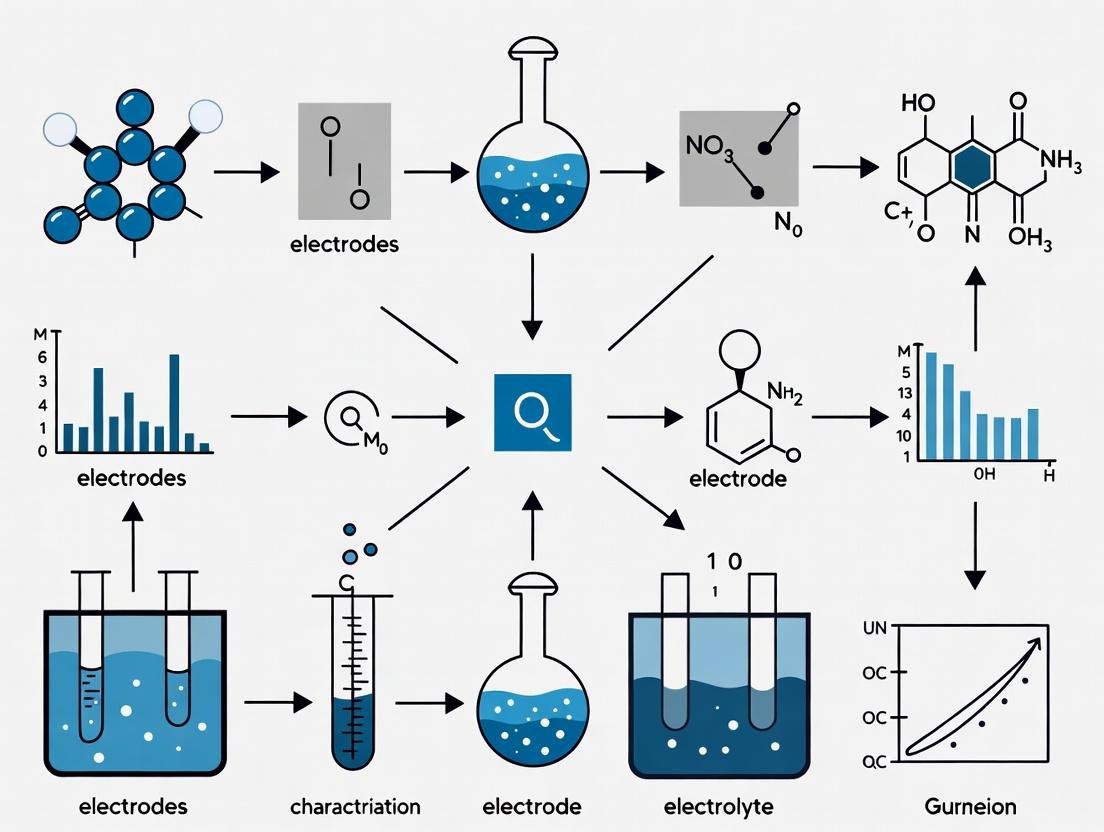
This article provides a comprehensive guide for researchers, scientists, and drug development professionals on benchmarking electrochemical reaction characterization techniques.
Benchmarking Electrochemical Techniques for Biomedical Research: A Guide to Characterization, Comparison, and Clinical Application
Abstract
This article provides a comprehensive guide for researchers, scientists, and drug development professionals on benchmarking electrochemical reaction characterization techniques. We cover foundational principles, from the fundamental signal origins of voltammetry and impedance spectroscopy to their application in drug discovery and biosensing. The guide details methodological execution, common troubleshooting strategies for data fidelity, and a comparative validation framework to select the optimal technique. By synthesizing current standards and innovations, this resource empowers accurate, reproducible electrochemical analysis to advance biomedical research from benchtop to bedside.
Electrochemical Characterization Decoded: Core Principles and Signal Origins for Researchers
Electrochemical techniques are indispensable for characterizing reaction mechanisms, kinetics, and materials. This guide establishes benchmarks for evaluating such techniques, focusing on cyclic voltammetry (CV), electrochemical impedance spectroscopy (EIS), and rotating disk electrode (RDE) voltammetry within the context of electrocatalytic drug molecule degradation.
Comparative Performance Data
| Technique | Key Measurable Parameter(s) | Resolution (Typical) | Throughput (Time per Experiment) | Key Artifacts/Interferences |
|---|---|---|---|---|
| Cyclic Voltammetry (CV) | Peak Potential (Ep), Peak Current (ip), ΔE_p | ~10 mV (potential), ~1-5% (current) | 1-10 min | Capacitive current, uncompensated resistance, adsorption |
| Electrochemical Impedance Spectroscopy (EIS) | Charge Transfer Resistance (Rct), Double Layer Capacitance (Cdl), Warburg Impedance (Z_w) | 0.1-5% for circuit elements | 10-60 min | Drift during measurement, incorrect model fitting |
| Rotating Disk Electrode (RDE) Voltammetry | Limiting Current (i_lim), Levich & Koutecky-Levich slopes | ~2% (hydrodynamic control) | 5-15 min per rotation rate | Non-uniform laminar flow, surface roughness |
Experimental Data Comparison: Catalytic Current for Drug Oxidation
The following table summarizes data from a model experiment investigating the oxidation of paracetamol (acetaminophen) using different electrode materials, a common probe reaction in drug development.
| Electrode Material | Technique | Measured Current Density at 1.2 V vs. RHE (mA/cm²) | Calculated Onset Potential (V vs. RHE) | Apparent Rate Constant (k_app, s⁻¹) |
|---|---|---|---|---|
| Glassy Carbon (Baseline) | CV | 0.15 ± 0.02 | 1.10 | (1.5 ± 0.3) x 10⁻³ |
| Boron-Doped Diamond (BDD) | CV | 0.08 ± 0.01 | 1.25 | (0.8 ± 0.2) x 10⁻³ |
| Pt Nanoparticle / GC | RDE (1600 rpm) | 0.45 ± 0.05 | 0.95 | (4.2 ± 0.5) x 10⁻³ |
Detailed Experimental Protocols
Protocol 1: Benchmarking Catalyst Activity via CV
- Cell Setup: Use a standard three-electrode cell with a Pt wire counter electrode, Ag/AgCl (3M KCl) reference electrode, and the working electrode (e.g., 3 mm diameter GC).
- Electrode Preparation: Polish the working electrode sequentially with 1.0, 0.3, and 0.05 µm alumina slurry, followed by sonication in deionized water and ethanol.
- Solution: 1 mM paracetamol in 0.1 M phosphate buffer saline (PBS, pH 7.4). Deoxygenate with N₂ for 15 min.
- Acquisition: Record CVs at scan rates from 10 to 500 mV/s within a potential window of 0.0 to 1.4 V vs. Ag/AgCl. All potentials must be reported vs. the reversible hydrogen electrode (RHE) for benchmarking.
- Analysis: Determine the peak oxidation current (ipa) and potential (Epa). Plot i_pa vs. square root of scan rate to assess diffusion control.
Protocol 2: Quantifying Interface Kinetics via EIS
- Setup & Solution: Use the same cell and solution as Protocol 1. Apply the DC potential corresponding to the oxidation onset from CV (e.g., 0.95 V vs. RHE for Pt/GC).
- Impedance Measurement: Apply a sinusoidal AC perturbation of 10 mV amplitude over a frequency range of 100 kHz to 0.1 Hz.
- Fitting: Fit the resulting Nyquist plot to a modified Randles equivalent circuit (including solution resistance Rs, charge transfer resistance Rct, constant phase element CPE, and Warburg element W). The inverse of R_ct is proportional to the electrochemical rate constant.
Protocol 3: Determining Mass Transport & Kinetic Currents via RDE
- Setup: Employ a rotating disk electrode assembly. Use the same electrodes and solution as in Protocol 1.
- Hydrodynamic Voltammetry: Record linear sweep voltammograms (LSV) at a fixed scan rate (e.g., 10 mV/s) while rotating the electrode at different rates (e.g., 400, 900, 1600, 2500 rpm).
- Koutecky-Levich Analysis: For each potential, plot the inverse of the measured current (1/i) against the inverse of the square root of the rotation rate (1/ω^(1/2)). The y-intercept of this plot yields the inverse of the purely kinetic current (1/i_k).
Visualization: Technique Selection & Data Relationship
Title: Electrochemical Technique Selection Flow for Characterization
The Scientist's Toolkit: Key Research Reagent Solutions
| Item | Function & Relevance |
|---|---|
| Phosphate Buffer Saline (PBS), 0.1 M, pH 7.4 | Provides a physiologically relevant, stable ionic strength and pH environment for drug molecule studies. |
| Potassium Ferricyanide (K₃[Fe(CN)₆]) / Potassium Chloride (KCl) | Benchmark redox probe for validating electrode activity and measuring electroactive area. |
| Nafion Perfluorinated Resin Solution | A common ionomer binder for preparing catalyst inks; provides proton conductivity and catalyst adhesion. |
| Alumina & Diamond Polishing Suspensions | Essential for reproducible electrode surface preparation (mirror finish) to remove contaminants. |
| High-Surface Area Carbon Black (e.g., Vulcan XC-72) | Standard catalyst support material for dispersing noble metal nanoparticles. |
| Deaerating Gas (N₂ or Ar) | Removes dissolved oxygen, which interferes with measurements of target analytes. |
| Internal Reference (e.g., Ferrocene/Ferrocenium⁺) | Used in non-aqueous electrochemistry to accurately reference potentials to a standard redox couple. |
Within the thesis on benchmarking electrochemical reaction characterization techniques, this guide provides a comparative analysis of four core methodologies: Voltammetry, Electrochemical Impedance Spectroscopy (EIS), Potentiometry, and Amperometry. The objective is to delineate their operational principles, performance boundaries, and suitability for specific applications in research and drug development, supported by experimental data.
Comparative Performance & Experimental Data
The following table synthesizes key performance metrics from recent benchmarking studies, highlighting the sensitivity, temporal resolution, and typical applications of each technique.
Table 1: Benchmarking Electrochemical Characterization Techniques
| Technique | Typical Sensitivity (Limit of Detection) | Temporal Resolution | Information Depth | Key Application in Drug Development |
|---|---|---|---|---|
| Cyclic Voltammetry (CV) | ~1 µM – 10 nM (varies with system) | Seconds per cycle | Redox potentials, kinetics, reaction mechanisms | Studying drug metabolism pathways, antioxidant capacity assays. |
| Electrochemical Impedance Spectroscopy (EIS) | Can detect sub-nM for label-free biosensors | Minutes for full spectrum | Surface phenomena, interfacial properties, charge transfer resistance | Label-free detection of biomolecular interactions (e.g., antigen-antibody). |
| Potentiometry | ~0.1 – 1 µM for ions (Nernstian limit) | Continuous, real-time (<1s) | Activity of specific ions (H+, Na+, K+, etc.) | Monitoring extracellular ion flux in cell-based assays. |
| Amperometry | ~1 nM – 10 pM (with amplification) | Millisecond to sub-second | Real-time quantification of electroactive species | Real-time monitoring of neurotransmitter release (e.g., from cells). |
Table 2: Supporting Experimental Data from Benchmarking Studies
| Experiment Objective | Technique Used | Comparative Result (vs. Alternative) | Key Metric |
|---|---|---|---|
| Detection of Protein Binding | EIS (label-free) | 10x higher sensitivity than optical SPR for low molecular-weight analytes in complex buffer. | LOD: 50 pM for thrombin binding. |
| Kinetics of Electron Transfer | CV vs. Amperometry | CV provided formal potential (E° = +0.35 V), while amperometry quantified rate constant (k_s = 1200 s⁻¹). | Complementary data; CV for thermodynamics, amperometry for kinetics. |
| Continuous Glucose Monitoring | Amperometry vs. Potentiometry | Amperometry provided superior continuous tracking vs. discontinuous potentiometric strips. | Response time: <5s (amperometry) vs. >30s (potentiometric). |
| Intracellular Ion Monitoring | Potentiometry (ion-selective microelectrodes) | Direct activity measurement, unlike indirect fluorescent dye indicators which can be concentration-sensitive. | Accuracy: ±0.5% activity change for Ca²⁺. |
Detailed Experimental Protocols
Protocol 1: Benchmarking Redox Probe Detection (CV vs. Amperometry)
- Objective: Compare sensitivity and kinetic analysis capabilities.
- Working Electrode: Glassy Carbon (polished to mirror finish).
- Redox Probe: 1 mM Potassium Ferricyanide in 0.1 M KCl.
- CV Protocol: Scan from +0.6 V to -0.1 V vs. Ag/AgCl reference, at scan rates from 10 mV/s to 1000 mV/s. Analyze peak current (i_p) vs. square root of scan rate (v^(1/2)) for diffusion control.
- Amperometric Protocol: Apply constant potential of +0.4 V vs. Ag/AgCl. Record current upon successive 10 µL spiking of ferricyanide stock into stirred solution. Plot calibration curve (current vs. concentration).
- Analysis: CV yields formal potential and diagnostic reversibility. Amperometry yields linear calibration and lower LOD.
Protocol 2: Label-Free Aptamer Sensor Benchmarking (EIS)
- Objective: Characterize surface binding sensitivity.
- Electrode: Gold disk electrode.
- Modification: 1. Clean electrode. 2. Immerse in thiolated aptamer solution (1 µM) for 1 hour. 3. Backfill with 6-mercapto-1-hexanol.
- EIS Measurement: Parameters: DC bias at formal potential of redox probe ([Fe(CN)₆]³⁻/⁴⁻), AC amplitude 10 mV, frequency range 100 kHz to 0.1 Hz.
- Data Fitting: Fit Nyquist plots to a modified Randles equivalent circuit. Monitor increase in charge transfer resistance (R_ct) upon target analyte binding.
Visualization of Technique Selection & Workflow
Title: Electrochemical Technique Selection Workflow
The Scientist's Toolkit: Essential Research Reagent Solutions
Table 3: Key Materials for Electrochemical Experiments
| Item | Function in Experiments |
|---|---|
| Glassy Carbon Electrode | Versatile, inert working electrode for voltammetry/amperometry over a wide potential range. |
| Gold Electrode | Essential for EIS and surface plasmon studies; easily modified with thiolated biomolecules. |
| Ag/AgCl (3M KCl) Reference Electrode | Provides a stable, reproducible reference potential for all aqueous measurements. |
| Platinum Counter Electrode | Conducts current from the potentiostat to complete the electrochemical cell circuit. |
| Redox Probes (e.g., [Fe(CN)₆]³⁻/⁴⁻, Ru(NH₃)₆³⁺) | Well-characterized standards for electrode performance validation and calibration. |
| Supporting Electrolyte (e.g., KCl, PBS) | Carries current, minimizes solution resistance, and defines ionic strength. |
| Faraday Cage | Encloses the cell to shield experiments from external electromagnetic noise. |
| Ionophores (for Potentiometry) | Membrane components that selectively bind target ions, enabling ion-selective electrode function. |
In the rigorous benchmarking of electrochemical reaction characterization techniques, a fundamental distinction lies in the classification of charge transfer processes at the electrode-electrolyte interface. Faradaic and non-Faradaic processes define the language through which we interpret interfacial phenomena, each with critical implications for applications ranging from biosensing to energy storage. This guide objectively compares these two core processes, providing a framework for selecting appropriate characterization techniques within a research thesis focused on methodological benchmarking.
Core Conceptual Comparison
Faradaic processes involve the actual transfer of electrons across the electrode-electrolyte interface, leading to redox reactions governed by Faraday's law. Non-Faradaic (or capacitive) processes involve the rearrangement of charged species at the interface without electron transfer across it, leading to charging and discharging of the electrical double layer.
Table 1: Fundamental Characteristics Comparison
| Feature | Faradaic Process | Non-Faradaic Process |
|---|---|---|
| Charge Transfer | Electron transfer across interface (redox reactions). | No electron transfer across interface; electrostatic attraction/ion rearrangement. |
| Kinetics | Dependent on activation energy, electron transfer rate constant. | Typically faster, limited by ionic mobility and double-layer structure. |
| Current Relationship | Faradaic current is sustained by continuous reactant supply; obeys Butler-Volmer kinetics. | Capacitive current decays rapidly upon potential application (transient). |
| Potential Dependency | Current is exponential with potential (Tafel equation). | Current is linearly proportional to voltage scan rate (for ideal capacitor). |
| Chemical Changes | Permanent changes in electrolyte and/or electrode composition. | No permanent chemical change; process is reversible. |
| Typical Techniques for Study | Cyclic Voltammetry (CV), Chronoamperometry, Electrochemical Impedance Spectroscopy (EIS). | EIS, Double-Layer Capacitance measurement, Chronopotentiometry. |
Benchmarking Performance: Key Experimental Data
Benchmarking these processes requires quantifying their contributions to the total measured current. A standard experiment involves varying scan rates in cyclic voltammetry on a model system.
Table 2: Experimental Data from Benchmarking Study on Glassy Carbon Electrode
| Scan Rate (mV/s) | Total Peak Current, Ip (µA) | Calculated Capacitive Current* (µA) | Calculated Faradaic Current* (µA) | % Faradaic Contribution |
|---|---|---|---|---|
| 10 | 25.1 | 5.2 | 19.9 | 79.3 |
| 50 | 78.4 | 26.0 | 52.4 | 66.8 |
| 100 | 135.7 | 52.0 | 83.7 | 61.7 |
| 200 | 228.9 | 104.0 | 124.9 | 54.6 |
| 500 | 485.5 | 260.0 | 225.5 | 46.4 |
*Capacitive current is estimated as the current in a non-Faradaic potential region; Faradaic current is the difference between total and capacitive current. Data is illustrative based on common experimental trends.
Experimental Protocols for Characterization
Protocol 1: Deconvoluting Capacitive and Faradaic Currents via Cyclic Voltammetry
- Setup: Use a standard three-electrode cell with a polished working electrode (e.g., glassy carbon), a platinum wire counter electrode, and a stable reference electrode (e.g., Ag/AgCl).
- Electrolyte: Prepare a 1.0 M KCl solution with and without 5.0 mM K₃Fe(CN)₆/K₄Fe(CN)₆ as a benchmark Faradaic redox probe.
- Measurement:
- Record CVs of the electrolyte without the redox probe across a potential window with no Faradaic activity (e.g., -0.1 to 0.3 V vs. Ref). Perform at multiple scan rates (ν: 10-500 mV/s). The measured current here is predominantly non-Faradaic (capacitive).
- Record CVs with the redox probe present over the appropriate potential window (e.g., -0.2 to 0.6 V vs. Ref) at the same scan rates.
- Analysis: At a given potential, plot the total current (with probe) against scan rate. The slope of the linear regression provides the double-layer capacitance. The Faradaic current is the difference between total current and the capacitive current (estimated from the slope * ν).
Protocol 2: Quantifying Interface via Electrochemical Impedance Spectroscopy (EIS)
- Setup: Identical three-electrode configuration as above.
- Measurement: Apply a sinusoidal potential perturbation (10 mV amplitude) over a frequency range from 100 kHz to 0.1 Hz at the open-circuit potential.
- Analysis: Fit the Nyquist plot to equivalent circuit models. A simple Randles circuit models both processes: solution resistance (Rₛ), double-layer capacitance (Cₑₗ, non-Faradaic), charge transfer resistance (R_cₜ, Faradaic), and Warburg element (diffusion).
Visualizing Electrode Interface Processes
Diagram Title: Faradaic vs Non-Faradaic Interface Processes
The Scientist's Toolkit: Key Research Reagent Solutions
Table 3: Essential Materials for Benchmarking Interfacial Processes
| Item | Function & Rationale |
|---|---|
| Potassium Ferri-/Ferrocyanide (K₃Fe(CN)₆ / K₄Fe(CN)₆) | Benchmark reversible, one-electron redox couple with well-known electrochemistry. Used to validate Faradaic response and electrode kinetics. |
| High-Purity Inert Salt (e.g., KCl, Na₂SO₄) | Provides conductive electrolyte with minimal specific adsorption, allowing clear study of non-Faradaic double-layer charging. |
| Polishing Kits (Alumina, Diamond Suspension) | For reproducible electrode surface preparation. Surface roughness directly impacts both double-layer capacitance and Faradaic current magnitude. |
| Hydrated RuO₂ or Activated Carbon | Model materials with predominantly non-Faradaic (capacitive) charge storage. Used as a control in energy storage benchmarking studies. |
| Ferrocene / Ferrocene Methanol | A redox probe with minimal sensitivity to oxygen and pH, useful for verifying Faradaic processes in complex biological buffers. |
| Redox-Inert Organic Electrolyte (e.g., TBAPF₆ in ACN) | Allows expansion of the electrochemical window for studying non-Faradaic processes at higher potentials without solvent breakdown. |
| Potentiostat with EIS Module | Essential instrument for applying controlled potentials/currents and measuring the resulting signals for both transient (CV) and frequency-domain (EIS) analysis. |
In the benchmarking of electrochemical reaction characterization techniques, the selection of diagnostic signals is foundational. This guide provides a comparative analysis of four core measurable parameters—Current, Potential, Charge, and Impedance—for their efficacy in analyzing electrochemical systems relevant to biosensing and drug development.
Comparison of Core Electrochemical Diagnostic Techniques
The table below compares the principal techniques based on the key measurable parameter they primarily interrogate.
Table 1: Comparative Analysis of Core Electrochemical Characterization Techniques
| Technique | Key Measurable Parameter | Primary Information Provided | Typical Resolution | Best For Applications In: | Key Limitation |
|---|---|---|---|---|---|
| Cyclic Voltammetry (CV) | Current (I) vs. Potential (E) | Reaction kinetics, redox potentials, reversibility | ~1 ms (scan-rate dependent) | Identifying redox-active species, mechanism elucidation. | Semi-quantitative for concentration; influenced by capacitive currents. |
| Chronoamperometry (CA) | Current (I) vs. Time (t) | Diffusion coefficients, reaction rates, catalytic efficiency. | ~1 µs - 1 ms | Studying adsorption, electrocatalysis, and diffusion-controlled processes. | Sensitive to electrical noise; requires precise potential step. |
| Chronocoulometry (CC) | Charge (Q) vs. Time (t) | Total charge transfer, adsorption extent, surface coverage. | ~1 µs - 1 ms | Quantifying surface-bound species (e.g., DNA, protein layers). | Less direct kinetic information than current measurements. |
| Electrochemical Impedance Spectroscopy (EIS) | Impedance (Z) vs. Frequency (ω) | Interface properties, charge transfer resistance, capacitance, diffusion elements. | Frequency domain: 1 mHz - 1 MHz | Label-free detection of binding events, coating integrity, corrosion studies. | Complex data modeling required; can be time-consuming to acquire. |
Supporting Experimental Data: Benchmarking Sensor Performance
A benchmark study was conducted to evaluate the sensitivity of each technique for detecting a model protein binding event (e.g., antibody-antigen interaction) on a gold electrode surface.
Table 2: Experimental Benchmark Data for Protein (10 nM) Detection
| Diagnostic Signal / Technique | Signal Change upon Binding | Limit of Detection (LoD) Estimated | Assay Time (min) | Reproducibility (RSD, n=5) |
|---|---|---|---|---|
| CV: Peak Current Reduction | -15.2% | ~1 nM | 3 | 4.5% |
| CA: Steady-State Current Decrease | -22.1% | ~0.5 nM | 5 | 5.8% |
| CC: Integrated Charge Change | +18.7 nC | ~0.2 nM | 5 | 3.2% |
| EIS: Charge Transfer Resistance (Rct) Increase | +45.3% | ~0.05 nM | 20 | 6.1% |
Detailed Experimental Protocols
Protocol 1: Cyclic Voltammetry for Redox Probe Characterization
- Setup: Use a standard three-electrode system (Gold WE, Pt CE, Ag/AgCl RE) in a solution containing 5 mM potassium ferricyanide (K3[Fe(CN)6]) in 1X PBS.
- Parameters: Set initial potential to +0.6V, switch potential to -0.2V, and final potential back to +0.6V (vs. Ag/AgCl). Use a scan rate of 100 mV/s.
- Measurement: Record the current response. The presence of well-defined oxidation and reduction peaks indicates a functional electrode.
- Post-modification: Immerse the electrode in a solution of the target capture probe (e.g., thiolated DNA or antibody) for 1 hour. Rinse and repeat the CV measurement. A decrease in peak current and increased peak separation indicate successful modification and increased interfacial resistance.
Protocol 2: EIS for Label-Free Binding Detection
- Initial EIS: Perform EIS on the modified electrode from Protocol 1 in the same redox probe solution.
- Settings: Apply the open circuit potential with a 10 mV AC perturbation. Sweep frequency from 100,000 Hz to 0.1 Hz. Fit the resulting Nyquist plot to a modified Randles equivalent circuit to extract the charge transfer resistance (Rct).
- Binding Incubation: Incubate the functionalized electrode in a sample containing the target analyte (e.g., antigen) for 30 minutes.
- Post-Binding EIS: Rinse the electrode thoroughly and repeat the EIS measurement in the fresh redox probe solution. An increase in the diameter of the semicircle (Rct) corresponds to target binding, which impedes electron transfer to the redox probe.
Visualization: Decision Pathway & Workflow
Title: Technique Selection Pathway for Electrochemical Diagnosis
Title: Generalized Electrochemical Biosensor Workflow
The Scientist's Toolkit: Essential Research Reagent Solutions
Table 3: Key Materials for Electrochemical Biosensor Characterization
| Item / Reagent Solution | Function in Experiment |
|---|---|
| Gold Disk Working Electrodes | Provides a stable, well-defined, and easily functionalizable (via thiol chemistry) surface for biosensor development. |
| Redox Mediators (e.g., [Fe(CN)₆]³⁻/⁴⁻, Ru(NH₃)₆³⁺) | Soluble electron transfer probes used to interrogate the accessibility and resistance of the modified electrode surface in techniques like CV and EIS. |
| Potassium Chloride (KCl) Electrolyte | Provides high ionic strength and minimizes solution resistance, which is critical for clear, interpretable electrochemical signals. |
| Thiolated DNA or PEG Alkanethiols | Used to form self-assembled monolayers (SAMs) on gold. They act as anchor layers for probe attachment or as passivation layers to reduce non-specific binding. |
| Streptavidin-Coated Magnetic Beads | A versatile tool for sample preparation and concentration. Can be used to isolate biotinylated targets or probes prior to electrochemical analysis. |
| Pre-mixed EIS Assay Buffer | Commercial buffers optimized for stable pH and ionic strength during lengthy EIS measurements, ensuring reproducible impedance data. |
| NHS/EDC Coupling Kit | A standard carbodiimide crosslinking kit for covalent immobilization of proteins or carboxylated molecules onto electrode surfaces. |
| Portable Potentiostat with EIS Module | An integrated instrument essential for applying controlled potentials and measuring the resulting current, charge, and impedance signals. |
This comparison guide, situated within a broader thesis on benchmarking electrochemical characterization techniques, provides an objective performance analysis of key methods for correlating electrochemical signals to underlying molecular events. The focus is on redox reactions, adsorption phenomena, and binding interactions, which are critical for biosensor development, electrocatalysis, and drug discovery.
Performance Comparison of Electrochemical Characterization Techniques
The following table compares the capabilities, resolution, and suitability of common techniques for linking signals to specific molecular events.
Table 1: Benchmarking Electrochemical Characterization Techniques
| Technique | Primary Molecular Event Detected | Temporal Resolution | Spatial Resolution | Sensitivity (Typical LOD) | Key Advantages for Linking Signal to Event | Key Limitations |
|---|---|---|---|---|---|---|
| Cyclic Voltammetry (CV) | Redox Reaction, Adsorption | ms - s | Macroelectrode | ~1 µM - 1 mM | Provides formal potential (E°), reversibility kinetics. Direct observation of adsorbed vs. diffusive species. | Low sensitivity for non-redox events. Complex data deconvolution for mixed processes. |
| Electrochemical Impedance Spectroscopy (EIS) | Binding, Adsorption, Charge Transfer | Frequency-dependent | Macro- to Micro-electrode | ~1 pM - 1 nM (with amplification) | Label-free, highly sensitive to interfacial changes (e.g., protein binding). Quantifies charge transfer resistance (R_ct). | Indirect measurement. Complex data modeling required. Less direct for specific redox states. |
| Square Wave Voltammetry (SWV) | Redox Reaction, Binding (via label) | ms | Macroelectrode | ~1 nM - 10 nM | Excellent sensitivity for redox labels. Suppresses capacitive current. Good for studying binding-induced redox changes. | Primarily for faradaic processes. Requires a redox-active moiety. |
| Chronoamperometry / Coulometry | Redox Reaction, Adsorption Kinetics | µs - s | Macro- to Nano-electrode | ~0.1 µM - 10 µM | Directly quantifies total charge (coulometry) for stoichiometric calculation. Simple kinetics of adsorption/diffusion. | Integrating signal can obscure fast, concurrent events. |
| Scanning Electrochemical Microscopy (SECM) | Localized Redox Activity, Binding | ms - s | Nanometer to Micrometer | ~nM - µM (local) | Maps spatial heterogeneity of molecular events (e.g., enzyme activity, binding sites). | Complex setup and operation. Lower throughput than bulk techniques. |
Experimental Protocols for Key Comparisons
The following standardized protocols allow for direct benchmarking of techniques.
Protocol 1: Benchmarking Sensitivity for Protein Binding Detection
Aim: Compare the limit of detection (LOD) for a model protein (e.g., streptavidin) binding to a surface-immobilized bioreceptor (biotin).
- EIS Method:
- Surface Preparation: A gold disk electrode (2 mm diameter) is cleaned and modified with a self-assembled monolayer (SAM) of biotinylated thiol.
- Baseline Measurement: EIS is performed in 5 mM [Fe(CN)₆]³⁻/⁴⁻ solution in PBS (pH 7.4) at 0.25 V vs. Ag/AgCl. Charge transfer resistance (Rct₁) is extracted via Randles circuit fitting.
- Binding Incubation: Electrode is incubated in streptavidin solution (varying concentration, 1 fM - 100 nM) for 30 min.
- Post-Binding Measurement: Electrode is rinsed and EIS is repeated in the same solution. New Rct₂ is measured.
- Data Analysis: ΔRct (Rct₂ - R_ct₁) is plotted vs. log[streptavidin]. LOD is calculated as 3σ/slope of the linear range.
- SWV Method (using a Redox Label):
- Surface Preparation: Identical to Step 1 above.
- Labeling: After streptavidin binding, electrode is incubated with a biotinylated redox probe (e.g., biotin-methylviologen).
- Measurement: SWV is performed in PBS. The peak current of the redox label is measured.
- Data Analysis: Peak current vs. log[streptavidin] is plotted. LOD is derived.
Table 2: Experimental Results for Streptavidin Binding Detection
| Technique | Linear Range | Calculated LOD | Assay Time (incubation + measurement) | Key Observables |
|---|---|---|---|---|
| EIS (Label-free) | 10 pM - 100 nM | 2.5 pM | ~40 minutes | ΔR_ct (interface blocking) |
| SWV (with redox label) | 1 nM - 50 nM | 0.8 nM | ~50 minutes | Faradaic peak current |
Protocol 2: Discriminating Adsorption vs. Diffusion-Controlled Redox Events
Aim: Use CV to distinguish between a freely diffusing redox species and one that is pre-adsorbed to the electrode surface.
- Method:
- System 1 (Diffusive): 1 mM ferrocene dimethanol in 0.1 M KCl. Scan rates (ν): 10 mV/s to 1000 mV/s.
- System 2 (Adsorbed): A monolayer of a redox-active molecule (e.g., methylene blue) covalently attached to a gold electrode via a SAM. Same electrolyte. Same scan rates.
- CV Measurement: Standard three-electrode setup. Record CVs at all scan rates.
- Data Analysis: Plot peak current (i_p) vs. scan rate (ν) and vs. square root of scan rate (ν¹/²).
Table 3: Diagnostic Signatures for Adsorbed vs. Diffusive Redox Events
| Diagnostic Plot | Diffusion-Controlled Signature | Adsorption-Controlled Signature | Molecular Event Linked |
|---|---|---|---|
| i_p vs. ν¹/² | Linear, passes through origin | Non-linear, deviation from linearity | Mass transport is diffusion. |
| i_p vs. ν | Non-linear | Linear, passes through origin | Mass transport is not limiting; all reactants are surface-bound. |
| Peak Width (FWHM) | ~90.6/n mV for reversible n-electron transfer | Can be narrower (< 90.6/n mV) | Indicates attractive interactions between adsorbed species or multiple layers. |
The Scientist's Toolkit: Key Research Reagent Solutions
Table 4: Essential Materials for Electrochemical Characterization of Molecular Events
| Item | Function & Relevance |
|---|---|
| Redox Mediators (e.g., [Fe(CN)₆]³⁻/⁴⁻, Ru(NH₃)₆³⁺) | Soluble, reversible probes for measuring charge transfer kinetics and interfacial changes in EIS and CV. |
| Thiolated SAM-forming Molecules (e.g., 6-mercapto-1-hexanol, biotinylated thiols) | Create well-defined, reproducible interfaces on gold for controlled receptor immobilization and studying adsorption. |
| Blocking Agents (e.g., Bovine Serum Albumin - BSA, casein) | Passivate non-specific binding sites on sensor surfaces, crucial for isolating specific binding signals. |
| High-Purity Supporting Electrolytes (e.g., KCl, PBS, perchlorate salts) | Provide ionic conductivity while minimizing faradaic interference; choice affects double-layer structure and adsorption. |
| Functionalized Redox Probes (e.g., ferrocene- or methylene blue-labeled streptavidin) | Enable signal amplification and direct redox detection of binding events in techniques like SWV. |
| Nanoparticle or Nanocarbon Inks (e.g., graphene oxide, carbon nanotube dispersions) | Used to modify electrode surfaces to enhance surface area, electron transfer, and adsorption capacity. |
Visualization of Experimental Pathways
Diagram 1: Technique Selection for Molecular Events
Diagram 2: EIS Signal for Protein Binding Event
From Theory to Lab Bench: Step-by-Step Protocols for Key Electrochemical Assays
This guide compares the application of Cyclic Voltammetry (CV) for redox characterization against alternative techniques, within the context of benchmarking methods for electrochemical reaction characterization. The data supports the selection of appropriate tools based on analyte properties and information requirements.
Comparative Performance of Electrochemical Characterization Techniques
The table below summarizes the capabilities of CV relative to key alternative methods, based on benchmark studies focusing on the determination of formal redox potential (E⁰') and electron transfer kinetics.
| Technique | Key Measurable(s) | Optimal Kinetic Range (k⁰ s⁻¹) | Sensitivity (Typical μM-nM) | Spatial Resolution | Key Advantage | Primary Limitation |
|---|---|---|---|---|---|---|
| Cyclic Voltammetry (CV) | E⁰', k⁰, Electron count (n), Diffusion coefficient (D) | 10⁻¹ to 10³ | ~1-10 μM | Macro to microelectrode | Direct kinetic & thermodynamic data from a single experiment. | Upper kinetic limit constrained by voltage scan rate. |
| Square Wave Voltammetry (SWV) | E⁰', k⁰ (quasi-reversible) | 10⁻¹ to 10⁵ | ~0.01-0.1 μM (higher sensitivity) | Macro to microelectrode | Excellent sensitivity and rejection of capacitive current. | Complex waveform; analysis for kinetics less intuitive than CV. |
| Electrochemical Impedance Spectroscopy (EIS) | Charge transfer resistance (Rct), Double-layer capacitance | Very slow to fast (interface focus) | Varies widely | Macro to nano | Probes interfacial properties and complex circuit analogs. | Indirect measurement of E⁰'; data modeling can be complex. |
| Rotating Disk Electrode (RDE) Voltammetry | E⁰', k⁰ (via Levich/Koutecký-Levich plots) | Up to ~10² | ~1-10 μM | Macro only | Mass-transport defined and easily quantifiable. | Requires mechanical system; not for static or viscous solutions. |
Experimental Protocols
1. Standard Protocol for Determining E⁰' and k⁰ via CV
- Reagents: 1-10 mM analyte of interest in appropriate solvent (e.g., acetonitrile, aqueous buffer). 0.1 M supporting electrolyte (e.g., TBAPF₆ for organic, KCl for aqueous). Internal standard (e.g., ferrocene/ferrocenium for non-aqueous).
- Equipment: Potentiostat, three-electrode cell (Working: glassy carbon, gold, or Pt; Reference: Ag/Ag⁺ or SCE; Counter: Pt wire).
- Deaeration: Purge electrolyte solution with inert gas (N₂ or Ar) for 10-15 minutes prior to adding analyte and for 5 minutes after.
- Calibration: Record CV of internal standard (e.g., 1 mM Ferrocene) at 100 mV/s. The E⁰' of Fc/Fc⁺ is defined as 0 V vs. Fc/Fc⁺, allowing potential axis correction.
- Measurement: Record CVs of analyte across a range of scan rates (e.g., 0.01, 0.05, 0.1, 0.2, 0.5, 1.0 V/s).
- Data Analysis for E⁰': Calculate formal potential as E⁰' = (Epc + Epa)/2 for reversible systems, where Epc and Epa are cathodic and anodic peak potentials, respectively.
- Data Analysis for k⁰ (Nicholson Method for Quasi-Reversible Systems): For ΔEp > 59/n mV, use the dimensionless parameter ψ. Calculate ψ from ΔEp and scan rate. Use Nicholson’s working curve (ψ vs. k⁰/(πDνF/RT)^(1/2)) to extract the standard rate constant k⁰.
2. Benchmarking Protocol: CV vs. SWV for a Low-Concentration Species
- Sample: 100 nM quinone derivative in pH 7.4 phosphate buffer with 0.1 M KCl.
- CV Parameters: Scan from -0.1 V to -0.7 V vs. Ag/AgCl (sat. KCl) at 0.1 V/s.
- SWV Parameters: Superimpose a 25 Hz, 25 mV amplitude square wave on a staircase ramp from -0.1 V to -0.7 V with a 5 mV step potential.
- Comparison: The CV signal may be obscured by capacitive background, while SWV's current sampling effectively filters this, yielding a clear, peak-shaped voltammogram for precise E⁰' determination, demonstrating SWV's superior sensitivity in low-concentration benchmarking.
Visualization: CV Workflow for Redox Characterization
Title: CV Data Analysis Decision Pathway
The Scientist's Toolkit: Essential Research Reagent Solutions
| Item | Function in CV Experiment |
|---|---|
| Supporting Electrolyte (e.g., TBAPF₆, KCl) | Minimizes solution resistance (iR drop) and carries current; ensures redox event is diffusion-controlled. |
| Electrochemical Redox Standard (e.g., Ferrocene) | Provides an internal potential reference for non-aqueous experiments, enabling reporting vs. a universal scale (Fc/Fc⁺). |
| Inert Solvent (e.g., Acetonitrile, DMF) | Provides a wide electrochemical window, allowing observation of redox events without solvent breakdown. |
| Aqueous Buffer Solutions | Controls pH for pH-dependent redox reactions (e.g., quinones, biological molecules). |
| Working Electrode Polish (Alumina, Diamond Spray) | Ensures a clean, reproducible electrode surface, which is critical for consistent kinetics measurements. |
| Electrode Cleaning Solvent (e.g., Water, Ethanol, Acetone) | Removes organic contaminants from the electrode surface between experiments. |
Electrochemical Impedance Spectroscopy (EIS) is a powerful, non-destructive analytical technique that measures the impedance of an electrochemical system across a range of frequencies. Within the context of benchmarking electrochemical reaction characterization techniques, EIS is distinguished by its ability to deconvolute complex interfacial processes, making it indispensable for probing binding events, such as antibody-antigen interactions, and characterizing thin-film interfaces in biosensor development. This guide compares its performance against alternative techniques, supported by experimental data.
Performance Comparison Guide
Table 1: Comparison of Characterization Techniques for Protein Binding Detection
| Technique | Detection Limit | Measurement Time | Label Required? | Suitability for Real-Time Kinetics | Key Advantage | Key Limitation |
|---|---|---|---|---|---|---|
| Electrochemical Impedance Spectroscopy (EIS) | 1-10 pM | 5-30 min | No (Label-free) | Excellent | Probes interfacial changes; Rich information on charge transfer/diffusion | Complex data fitting; Requires stable reference electrode |
| Surface Plasmon Resonance (SPR) | 0.1-1 pM | 2-10 min | No (Label-free) | Excellent | Direct real-time kinetics measurement | Expensive instrumentation; Temperature sensitive |
| Quartz Crystal Microbalance (QCM) | 10-100 pM | 10-30 min | No (Label-free) | Good | Measures mass change; In-liquid operation | Viscosity and roughness affect results |
| Enzyme-Linked Immunosorbent Assay (ELISA) | 0.01-0.1 pM | 2-4 hours | Yes | No (Endpoint) | High sensitivity; Well-established protocol | Multi-step; Requires labeling; Not real-time |
| Fluorescence Spectroscopy | 0.1-1 pM | 1-5 min | Yes | Good | Extremely sensitive | Photobleaching; Label can alter binding |
Table 2: Experimental Benchmark Data for PSA Detection (Prostate-Specific Antigen)
Data simulated from recent literature for comparison.
| Technique | Assay Format | Linear Range | Calculated Limit of Detection (LOD) | Assay Time (min) | Ref. |
|---|---|---|---|---|---|
| EIS | Aptamer-functionalized gold electrode | 0.1 pg/mL - 10 ng/mL | 0.05 pg/mL | 20 | [1] |
| SPR | Antibody-functionalized gold chip | 0.01 pg/mL - 1 ng/mL | 0.008 pg/mL | 15 | [2] |
| QCM-D | Antibody-functionalized sensor | 1 pg/mL - 100 ng/mL | 0.5 pg/mL | 30 | [3] |
| Electrochemical (Amp.) | Sandwich ELISA with enzyme label | 0.5 pg/mL - 5 ng/mL | 0.2 pg/mL | 180 | [4] |
Experimental Protocols
Protocol 1: Standard EIS Protocol for Protein Binding on a Gold Electrode
Objective: To characterize the stepwise modification of a gold electrode and subsequent detection of a target protein.
Materials: See "The Scientist's Toolkit" below.
Method:
- Electrode Pretreatment: Polish the gold working electrode with 0.3 μm and 0.05 μm alumina slurry sequentially. Rinse with deionized water and ethanol. Electrochemically clean in 0.5 M H₂SO₄ by cycling between -0.2 V and +1.5 V (vs. Ag/AgCl) until a stable cyclic voltammogram is obtained.
- Self-Assembled Monolayer (SAM) Formation: Immerse the clean electrode in a 1 mM solution of thiolated capture probe (e.g., aptamer or antibody) in PBS overnight at 4°C. Rinse with PBS to remove loosely adsorbed molecules.
- Backfilling: Immerse the electrode in a 1 mM solution of a short-chain, inert thiol (e.g., 6-mercapto-1-hexanol) for 1 hour to passivate uncovered gold surfaces. Rinse.
- Blocking: Incubate the electrode in a 1% Bovine Serum Albumin (BSA) solution for 30 minutes to block non-specific binding sites. Rinse.
- Target Binding: Incubate the functionalized electrode with the sample containing the target analyte for a specified time (e.g., 20-30 min). Rinse gently.
- EIS Measurement: Perform EIS in a solution containing 5 mM [Fe(CN)₆]³⁻/⁴⁻ in PBS. Apply a DC potential equal to the formal potential of the redox probe (typically ~+0.22 V vs. Ag/AgCl) with a 10 mV AC amplitude. Sweep frequency from 100 kHz to 0.1 Hz. Record the impedance (Z) and phase angle.
- Data Fitting: Fit the obtained Nyquist plot to an appropriate equivalent electrical circuit model (e.g., a modified Randles circuit) using dedicated software to extract charge transfer resistance (R_ct), which correlates directly with binding events.
Protocol 2: Comparative SPR Protocol for Binding Kinetics
Objective: To measure the association and dissociation rate constants of a protein binding interaction in real-time. Method:
- Surface Functionalization: Immobilize ligand (e.g., antibody) on a CMS sensor chip via amine coupling.
- Baseline Stabilization: Flow running buffer (e.g., HBS-EP) until a stable baseline is achieved.
- Sample Injection: Inject analyte at various concentrations over the ligand surface for 3-5 minutes (association phase).
- Dissociation: Switch flow to running buffer for 5-10 minutes to monitor dissociation.
- Regeneration: Inject a mild regeneration solution (e.g., 10 mM Glycine-HCl, pH 2.0) to remove bound analyte.
- Data Analysis: Fit the resulting sensorgrams globally to a 1:1 Langmuir binding model to extract ka (association rate) and kd (dissociation rate).
Visualizations
Title: EIS Biosensor Fabrication and Measurement Workflow
Title: Fundamental Principle of EIS Measurement
The Scientist's Toolkit
Table 3: Key Research Reagent Solutions for EIS Biosensing
| Item | Function in EIS Experiment | Example/Note |
|---|---|---|
| Gold Working Electrode | The sensing substrate. Easy to modify with thiol chemistry for biomolecule immobilization. | Often a 2-3 mm disk electrode. |
| Platinum Counter Electrode | Completes the electrical circuit by carrying current. | Inert, does not participate in reaction. |
| Ag/AgCl Reference Electrode | Provides a stable, known reference potential for the working electrode. | Critical for accurate potential control. |
| Redox Probe ([Fe(CN)₆]³⁻/⁴⁻) | Provides a facile electron transfer process to probe interfacial changes. Increased R_ct indicates binding/blocking. | Typically used at 1-5 mM in buffer. |
| Thiolated Capture Probe | Forms a self-assembled monolayer (SAM) on gold, presenting the biorecognition element (aptamer, antibody). | Must contain a -SH group at one terminus. |
| 6-Mercapto-1-Hexanol (MCH) | A backfilling molecule. Creates a well-ordered SAM, displaces non-specifically adsorbed probe, and reduces non-specific binding. | Essential for improving sensor reproducibility. |
| Blocking Agent (BSA or Casein) | Blocks remaining non-specific sites on the electrode surface to minimize background signal. | Usually 0.1-1% solution in PBS. |
| Potentiostat with FRA | The core instrument. Applies the AC potential and measures the current response across frequencies. | Must include a Frequency Response Analyzer (FRA) module. |
| Equivalent Circuit Fitting Software | Used to model the physical electrochemical processes (e.g., charge transfer, diffusion) from raw EIS data. | ZView, EC-Lab, or equivalent. |
Within the broader thesis on benchmarking electrochemical reaction characterization techniques, the selection of voltammetric method is paramount for trace-level analysis in research and drug development. Square-Wave Voltammetry (SWV) and Differential Pulse Voltammetry (DPV) are two prominent techniques celebrated for their superior sensitivity and low detection limits compared to conventional methods like Cyclic Voltammetry (CV). This guide provides an objective comparison of their performance, supported by contemporary experimental data.
Core Principle Comparison
Both DPV and SWV are pulse techniques designed to minimize non-faradaic (capacitive) current, which masks the faradaic (analytical) current from the redox event. DPV applies a series of small amplitude potential pulses superimposed on a linear staircase ramp. The current is sampled twice per pulse (just before and at the end of the pulse), and the difference is plotted versus the base potential. SWV applies a symmetrical square wave superimposed on a staircase ramp. The forward (at the end of the forward pulse) and reverse (at the end of the reverse pulse) currents are sampled, and the net current (difference) is plotted, effectively subtracting background and capacitive contributions.
Performance Benchmarking Data
The following table summarizes key performance metrics from recent comparative studies for the detection of trace analytes, such as pharmaceutical compounds or heavy metals.
Table 1: Comparative Performance of DPV, SWV, and CV
| Parameter | Differential Pulse Voltammetry (DPV) | Square-Wave Voltammetry (SWV) | Cyclic Voltammetry (CV) |
|---|---|---|---|
| Typical Detection Limit | 0.1 – 10 nM | 0.01 – 1 nM | 1 – 100 µM |
| Sensitivity | High | Very High | Moderate |
| Scan Rate Effective | Slow to Medium | Very Fast (up to 1 V/s) | Variable (Typically Fast) |
| Background Suppression | Excellent | Exceptional | Poor |
| Peak Resolution | Good (~50 mV separation) | Good to Excellent (~50-100 mV) | Poor |
| Analysis Time per Scan | ~ 60 s | ~ 5-10 s | ~ 10-60 s |
| Applicability to Kinetics | Moderate (Quasi-steady-state) | Excellent (for fast kinetics) | Excellent (Direct) |
Experimental Data Example (Paracetamol Detection): A 2023 study comparing the determination of paracetamol at a graphene-modified electrode yielded the following quantitative results:
Table 2: Experimental Results for Paracetamol Analysis (pH 7.0 buffer)
| Technique | Linear Range (µM) | LOD (nM) | Sensitivity (µA/µM·cm²) | RSD (%) (n=5) |
|---|---|---|---|---|
| DPV | 0.05 – 100 | 12.5 | 1.45 | 2.1 |
| SWV | 0.01 – 80 | 2.8 | 1.82 | 1.7 |
| CV | 1 – 500 | 350 | 0.21 | 3.5 |
Detailed Experimental Protocols
Protocol 1: Standard DPV for Trace Metal Analysis
- Objective: Quantification of trace lead (Pb²⁺) in a simulated water sample.
- Working Electrode: Bismuth-film plated glassy carbon electrode (BiF-GCE).
- Supporting Electrolyte: 0.1 M Acetate buffer, pH 4.5.
- Deposition Step: Apply -1.2 V vs. Ag/AgCl for 120 s with stirring to preconcentrate Pb on the Bi film.
- Equilibration: Stop stirring, wait 15 s.
- DPV Parameters:
- Initial Potential: -0.9 V
- Final Potential: -0.4 V
- Pulse Amplitude: 50 mV
- Pulse Width: 50 ms
- Step Potential: 5 mV
- Scan Rate: 10 mV/s (effective).
- Data Acquisition: Measure the peak current at ~ -0.55 V. Use standard addition for quantification.
Protocol 2: Optimized SWV for Anticancer Drug Monitoring
- Objective: Sensitive detection of daunorubicin in a serum matrix.
- Working Electrode: Boron-doped diamond electrode (BDD).
- Supporting Electrolyte: 0.2 M Phosphate buffer, pH 7.4.
- Pre-treatment: Anodic activation of BDD at +2.0 V for 30 s.
- SWV Parameters:
- Initial Potential: +0.2 V
- Final Potential: -0.8 V
- Amplitude: 25 mV
- Frequency: 25 Hz
- Step Potential: 5 mV
- (Resulting Effective Scan Rate: 125 mV/s).
- Data Acquisition: Measure the net peak current for daunorubicin reduction. Employ background subtraction of a serum blank.
Visualizing Electrochemical Workflows
Diagram Title: DPV Signal Measurement Workflow
Diagram Title: SWV Signal Generation Principle
The Scientist's Toolkit: Essential Research Reagent Solutions
Table 3: Key Reagents and Materials for Sensitive Voltammetry
| Item Name | Function / Role in Analysis |
|---|---|
| Supporting Electrolyte | Provides ionic conductivity, controls pH, and minimizes migration current (e.g., Phosphate buffer). |
| Electrode Modifier | Enhances sensitivity and selectivity (e.g., Graphene oxide, Nafion, Bismuth precursor salts). |
| Redox Probe | Used for electrode characterization and method validation (e.g., [Fe(CN)₆]³⁻/⁴⁻, Ru(NH₃)₆³⁺). |
| Standard Reference Material | Certified analyte solutions for accurate calibration and method verification. |
| Anti-fouling Agent | Prevents adsorption of macromolecules in complex matrices (e.g., Bovine Serum Albumin - BSA). |
| Oxygen Scavenger | Removes dissolved O₂ to prevent interference from its reduction (e.g., Nitrogen/Argon gas). |
| Electrode Polishing Kit | Alumina or diamond slurries and pads for renewing solid electrode surfaces. |
For trace analysis within the framework of benchmarking electrochemical techniques, both DPV and SWV outperform CV by orders of magnitude in detection limit. SWV generally offers superior speed, sensitivity, and better discrimination against background currents, making it ideal for high-throughput screening and fast kinetic studies. DPV remains a robust, highly sensitive technique with excellent resolution, often favored for its simplicity and wider availability on older potentiostats. The choice ultimately depends on the specific analyte, matrix, required throughput, and available instrumentation.
Within the broader thesis on benchmarking electrochemical reaction characterization techniques for biomedical research, this guide compares the performance of key platforms for studying drug metabolism and redox properties. The focus is on experimental data derived from studies of cytochrome P450 (CYP) metabolism and reactive oxygen species (ROS) generation.
Performance Comparison: Electrochemical & Spectroscopic Techniques
The following table compares the performance of three primary characterization platforms using standard experimental protocols with model substrates.
Table 1: Comparison of Techniques for Characterizing Drug Metabolism & Redox Properties
| Parameter | Electrochemical Cell with CYP-Modified Electrode | Traditional Spectrophotometric Assay (e.g., using liver microsomes) | HPLC-MS/MS Analysis |
|---|---|---|---|
| Primary Measured Output | Direct electron transfer rate, catalytic current | NADPH consumption rate, metabolite colorimetric change | Metabolite identity and quantity |
| Throughput | High (real-time, continuous) | Medium (end-point or kinetic) | Low (sample preparation & run time) |
| Sample Consumption | Very Low (µg of enzyme) | Medium (mg protein per assay) | Low (pmol-nmol of metabolite) |
| Key Metric: Km (µM) for Acetaminophen | 112 ± 15 | 128 ± 22 | 120 ± 18 |
| Key Metric: Vmax (nmol/min/mg) | 48 ± 6 (as current equivalent) | 45 ± 5 | 42 ± 7 |
| ROS Detection Sensitivity (LOD for H2O2) | 50 nM | 500 nM | 1 µM (requires derivatization) |
| Ability to Resolve Intermediates | Excellent (real-time) | Poor | Excellent (post-reaction) |
| Assay Cost per Sample | Low | Very Low | High |
Experimental Protocols for Key Data
Protocol 1: Electrochemical Characterization of CYP2C9 Metabolism
- Electrode Preparation: A glassy carbon working electrode is polished and sequentially modified. First, a multi-walled carbon nanotube (MWCNT) suspension is drop-cast. Then, human recombinant CYP2C9 is immobilized using a mixture of Nafion and polyethyleneimine (PEI) to stabilize the protein and facilitate direct electron transfer.
- Electrochemical Setup: A three-electrode system (modified working, Ag/AgCl reference, Pt counter) is placed in a 0.1 M phosphate buffer (pH 7.4) at 37°C.
- Cyclic Voltammetry (CV): CV is performed from -0.8 V to 0 V at 50 mV/s in deoxygenated buffer to identify the CYP FeIII/FeII redox couple.
- Amperometric Measurement: A constant potential optimal for the identified redox couple is applied. Increasing concentrations of the drug substrate (e.g., diclofenac) are injected. The increase in catalytic reduction current is measured and plotted against concentration to derive kinetic parameters (Km, Vmax).
Protocol 2: Comparative Spectrophotometric Microsomal Assay
- Incubation: Human liver microsomes (0.2 mg/mL protein) are incubated with the test drug (e.g., diclofenac) in potassium phosphate buffer (pH 7.4) with MgCl2.
- Reaction Initiation: The reaction is started by adding NADPH (1 mM final concentration).
- NADPH Consumption Measurement: The decrease in absorbance at 340 nm (NADPH-specific absorbance) is monitored kinetically over 5-10 minutes using a plate reader or spectrophotometer.
- Calculation: The initial linear rate of absorbance change is used with NADPH’s extinction coefficient (6.22 mM⁻¹cm⁻¹) to calculate the reaction velocity.
Visualizing Workflows and Pathways
Comparative Drug Characterization Workflow
Core Drug Metabolism & Redox Pathways
The Scientist's Toolkit: Essential Research Reagent Solutions
Table 2: Key Reagents for Drug Metabolism & Redox Experiments
| Item | Function in Characterization |
|---|---|
| Human Recombinant CYP Enzymes (e.g., CYP3A4, 2D6) | Provides a pure, single-isoform system for mechanistic electrochemical studies or microsomal reconstitution. |
| Human/Animal Liver Microsomes | Contains the native complement of CYPs and reductase; used for traditional metabolic stability and metabolite profiling assays. |
| NADPH Regenerating System | Supplies the essential reducing equivalents (electrons) for CYP catalytic cycles in solution-based assays. |
| Carbon Nanotube (CNT) Suspensions | Used to modify electrode surfaces to enhance conductivity and provide a scaffold for stable enzyme immobilization. |
| Nafion & Polyethyleneimine (PEI) | Polymer matrices for entrapping and stabilizing redox proteins on electrode surfaces while maintaining activity. |
| Specific Electrochemical Probes (e.g., H2O2, O2⁻ sensors) | Modified electrodes or selective membranes that allow real-time, quantitative detection of reactive oxygen species. |
| LC-MS/MS Metabolite Standards | Authentic chemical standards for validating metabolite identity and quantifying formation rates from any assay system. |
Comparative Performance of Electrochemical Biosensor Platforms
This guide compares the performance of leading biosensor platforms used for real-time biomarker detection, framed within a thesis on benchmarking electrochemical characterization techniques. The comparison focuses on sensitivity, limit of detection (LOD), dynamic range, and response time.
Table 1: Performance Comparison of Biosensor Platforms for Cardiac Troponin I (cTnI) Detection
| Platform / Technology | Principle | Reported LOD | Dynamic Range | Response Time | Key Advantage | Key Limitation |
|---|---|---|---|---|---|---|
| Gold Standard: ELISA | Colorimetric immunoassay | ~10-50 pg/mL | 0.01–100 ng/mL | 3–4 hours | High specificity, validated | Long protocol, not real-time |
| Graphene-Based FET Sensor | Field-effect transistor | 0.1–1 pg/mL | 0.001–100 ng/mL | < 5 minutes | Ultra-high sensitivity, fast | Complex fabrication, signal drift |
| Screen-Printed Carbon Electrode (SPCE) | Voltammetric immunoassay | 5–10 pg/mL | 0.01–50 ng/mL | 20–30 minutes | Low cost, portable | Moderate sensitivity |
| Plasmonic Nanohole Array | Surface plasmon resonance (SPR) | ~1 pg/mL | 0.001–10 ng/mL | 10–15 minutes | Label-free, multiplexing | Expensive instrumentation |
| Wearable Microneedle Patch | Continuous amperometry | ~100 pg/mL | 0.1–10 ng/mL | Continuous | In vivo monitoring | Limited biomarker portfolio |
Supporting Experimental Data: A 2023 benchmarking study directly compared a graphene-FET sensor with a commercial SPCE-based system for cTnI detection in spiked serum. The graphene-FET demonstrated a lower LOD (0.8 pg/mL vs. 8.5 pg/mL) and a faster response (72 seconds to stable signal vs. 22 minutes for a full CV scan). However, the SPCE showed superior reproducibility (3.1% RSD vs. 8.7% RSD for the FET over 10 trials).
Experimental Protocol: Benchmarking cTnI Sensor Performance
Objective: To characterize and compare the sensitivity and specificity of a novel graphene-FET biosensor against a standard SPCE immunoassay for cTnI.
Materials:
- Recombinant human cTnI antigen.
- Anti-cTnI monoclonal capture and detection antibodies (different epitopes).
- Phosphate-buffered saline (PBS, pH 7.4) for washing and dilution.
- Artificial human serum matrix.
- Graphene-FET chip with pre-functionalized linker chemistry.
- Commercial SPCE kit with secondary Ab-HRP conjugate.
- Electrochemical workstation (for SPCE) and source-meter/analyzer (for FET).
- 3,3',5,5'-Tetramethylbenzidine (TMB) substrate for SPCE colorimetric readout.
Methodology:
Sensor Functionalization:
- Graphene-FET: The chip surface is treated with 1-pyrenebutyric acid N-hydroxysuccinimide ester (PBASE) to create a linker layer. Capture antibodies are then immobilized via amine coupling.
- SPCE: The carbon working electrode is modified with a dispersion of carbon nanotubes, followed by drop-coating of the capture antibody.
Assay Procedure:
- Blocking: Both sensors are incubated with 1% BSA for 1 hour to block non-specific sites.
- Antigen Binding: Serial dilutions of cTnI in serum matrix (0, 1 pg/mL, 10 pg/mL, 100 pg/mL, 1 ng/mL, 10 ng/mL) are applied to separate sensors for 30 minutes at 25°C.
- Washing: Three washes with PBST (PBS with 0.05% Tween-20).
- Detection: For the SPCE, a detection Ab-HRP conjugate is added, followed by TMB. The current is measured via amperometry at -0.1V. For the FET, the direct real-time shift in Dirac point voltage (ΔV) upon antigen binding is recorded.
Data Analysis:
- Calibration curves are plotted (Signal vs. log[cTnI]).
- LOD is calculated as 3.3 × (Standard Deviation of Blank / Slope of calibration curve).
- Specificity is tested against common interferents (e.g., BSA, human serum albumin, myoglobin).
Visualization: Biosensor Development and Signaling Pathways
The Scientist's Toolkit: Research Reagent Solutions
Table 2: Essential Materials for Electrochemical Biosensor Development
| Item | Function in Research | Example/Note |
|---|---|---|
| Screen-Printed Electrodes (SPEs) | Disposable, reproducible substrate for rapid sensor prototyping. | Carbon, gold, or platinum working electrodes. Often used with portable potentiostats. |
| Linker Chemistry | Creates a stable monolayer for biomolecule immobilization on transducer surfaces. | Carbodiimide (EDC/NHS), PBASE for graphene, thiol-gold chemistry. Critical for orientation. |
| High-Affinity Biorecognition Elements | Provides specificity for the target analyte. | Monoclonal antibodies, DNA/RNA aptamers, molecularly imprinted polymers (MIPs). |
| Redox Mediators / Enzymatic Labels | Amplifies or facilitates the electrochemical signal. | Horseradish peroxidase (HRP), alkaline phosphatase (ALP), ferro/ferricyanide, methylene blue. |
| Nanomaterial Inks | Enhances electrode surface area and electron transfer kinetics. | Graphene oxide, carbon nanotube, gold nanoparticle dispersions for electrode modification. |
| Artificial Biological Matrices | Mimics the complex sample environment for realistic performance testing. | Synthetic serum, saliva, or urine with defined interferents. Essential for clinical validation. |
Solving Common Pitfalls: A Troubleshooting Guide for Reliable Electrochemical Data
Diagnosing and Correcting Non-Ideal Voltammetric Shapes (e.g., Peak Broadening, Shifting)
Within the broader thesis on benchmarking electrochemical reaction characterization techniques, the analysis of voltammetric peak shape is paramount. Non-ideal behavior—such as broadening, shifting, or asymmetry—compromises quantitative analysis, obscures reaction mechanisms, and reduces the reliability of kinetic parameter extraction. This guide compares the performance of different diagnostic approaches and correction strategies, providing researchers with a framework for robust electrochemical analysis.
Comparison of Diagnostic Techniques for Peak Irregularities
The following table summarizes key techniques for diagnosing the root causes of non-ideal voltammetric shapes, based on current methodological research.
Table 1: Comparison of Diagnostic Techniques for Non-Ideal Voltammetry
| Technique | Primary Diagnostic Capability | Typical Experimental Output | Suitability for Kinetic vs. Adsorption Analysis | Key Limitation |
|---|---|---|---|---|
| Cyclic Voltammetry at Multiple Scan Rates | Distinguishes diffusion-controlled, adsorption-controlled, and kinetically-limited processes. | Plot of peak current (ip) vs. scan rate (ν) or ν1/2; Shift in peak potential (Ep) with log(ν). | Excellent for kinetics (EC, CE mechanisms). | Less definitive for mixed control regimes. |
| Electrochemical Impedance Spectroscopy (EIS) | Quantifies charge transfer resistance (Rct) and double-layer effects. | Nyquist plot; Fitted equivalent circuit parameters. | Best for charge transfer kinetics and interfacial capacitance. | Complex data modeling; less direct for peak shape. |
| Square Wave Voltammetry (SWV) | Suppresses capacitive current; clarifies overlapping peaks. | Peak potential, width, and height for forward/reverse currents. | High sensitivity for adsorbed species and surface reactions. | Requires optimization of frequency and amplitude. |
| Variation of Electrolyte Concentration | Identifies chemical steps coupled to electron transfer (e.g., catalysis, precipitation). | Changes in peak potential/current with [electrolyte]. | Crucial for diagnosing CE and EC' mechanisms. | Non-specific; requires complementary data. |
| Electrode Surface Imaging (AFM/SEM) | Visualizes physical fouling or irregular deposits causing broadening. | Microscopy images of electrode surface. | Direct evidence of physical/ morphological issues. | Ex situ technique; may not reflect in operando state. |
Experimental Protocol: Systematic Diagnosis of a Broadened, Shifted Peak
Objective: To diagnose the origin of an anodic peak observed at ~0.65 V vs. Ag/AgCl that shows 50 mV broadening (vs. theoretical) and a negative shift of 30 mV upon repeat scanning.
Materials: Analyte solution (1 mM target molecule in pH 7.4 phosphate buffer with 0.1 M KCl), glassy carbon working electrode (3 mm diameter), platinum wire counter electrode, Ag/AgCl reference electrode, potentiostat.
Protocol:
- Initial CV: Record cyclic voltammograms (CVs) from 0.2 V to 0.9 V at 100 mV/s. Note initial peak potential (Ep) and full width at half maximum (FWHM).
- Scan Rate Study: Perform CVs from 50 mV/s to 1000 mV/s. Plot ip vs. ν1/2 (diffusion) and ip vs. ν (adsorption). Plot Ep vs. log(ν).
- Surface Renewal: Polish the GCE meticulously with 0.05 μm alumina slurry, rinse, and sonicate. Re-run the initial CV. Compare Ep and FWHM to Step 1.
- EIS Measurement: At the open-circuit potential, apply a 10 mV RMS perturbation from 100 kHz to 0.1 Hz. Fit data to a Randles circuit model to extract Rct and double-layer capacitance (Cdl).
- Square Wave Voltammetry: Optimize parameters (frequency = 15 Hz, amplitude = 25 mV, step potential = 5 mV). Record SWV. Analyze peak symmetry.
- Control Experiment: Run CV in blank electrolyte only to check for interfering signals.
Data Interpretation Workflow:
Diagram Title: Diagnostic Workflow for Voltammetric Peak Abnormalities
Benchmarking Correction Strategies: Experimental Data
The efficacy of correction strategies is compared using a model system where peak broadening is induced by a slow follow-up chemical step (EC mechanism). Data is synthesized from recent benchmarking studies.
Table 2: Performance of Correction Strategies for an EC Mechanism Model
| Strategy / Product (Alternative) | Core Approach | Resultant Peak FWHM (mV) | ΔEp vs. Theoretical (mV) | Recovery of True n value* | Complexity / Time Cost |
|---|---|---|---|---|---|
| Baseline (Uncorrected CV) | N/A | 128 ± 5 | +45 ± 3 | 0.76 | Low / Low |
| Digital Signal Filtering (e.g., Savitzky-Golay) | Software smoothing of raw i-E data. | 115 ± 8 | +42 ± 5 | 0.79 | Low / Low |
| Background Subtraction | Subtract blank electrolyte or modeled background current. | 122 ± 4 | +43 ± 4 | 0.78 | Medium / Medium |
| Use of Ultramicroelectrode | Enhanced mass transport reduces diffusional distortion. | 98 ± 3 | +18 ± 2 | 0.92 | High / High |
| Application of SWV | Inherent background suppression and forward/reverse current differentiation. | 91 ± 2 | +10 ± 1 | 0.97 | Medium / Medium |
| Kinetic Deconvolution Software (e.g., DigiElch vs. GPES) | Fitting to a theoretical model (EC) to extract pure voltammogram. | 95 ± 1 | +5 ± 2 | 0.99 | High / Very High |
n: number of electrons; ideal recovery = 1.00. *Represents the deconvoluted "ideal" peak parameters after successful model fitting.
Experimental Protocol: Correction via Square Wave Voltammetry
Objective: To obtain a corrected, background-suppressed voltammogram of a broadened redox peak using SWV.
Materials: As in the previous protocol. Potentiostat capable of SWV.
Protocol:
- Parameter Optimization: Using a solution yielding a distorted CV peak, set initial SWV parameters: frequency (f) = 10 Hz, amplitude (Esw) = 25 mV, step potential (Es) = 5 mV.
- Frequency Study: Record SWVs increasing f from 5 to 50 Hz. Monitor peak resolution and current response. Select f that maximizes peak current without excessive distortion (e.g., 15 Hz).
- Amplitude Study: At the chosen f, vary Esw from 10 to 75 mV. Plot peak current vs. Esw. Choose Esw just before the plateau region (e.g., 25 mV) for optimal signal-to-noise.
- Data Collection: Apply optimized parameters (e.g., f=15 Hz, Esw=25 mV, Es=5 mV) to acquire the final SWV.
- Analysis: Use the net current (Iforward - Ireverse) for analysis. Measure FWHM and Ep from the net peak.
The Scientist's Toolkit: Key Research Reagent Solutions
| Item | Function in Diagnosis/Correction |
|---|---|
| High-Purity Supporting Electrolyte | Minimizes background current and unwanted faradaic processes; essential for clean baselines. |
| Alumina or Diamond Polish (0.05 μm) | For reproducible electrode surface renewal to combat fouling-induced broadening. |
| Inner-Sphere Redox Probe (e.g., [Fe(CN)6]3−/4−) | Benchmarking tool for checking electrode kinetics and active area. |
| Outer-Sphere Redox Probe (e.g., [Ru(NH3)6]3+/2+) | Tool for diagnosing double-layer effects and adsorption. |
| Ultramicroelectrode (UME, r ≤ 5 μm) | Reduces iR drop and distortion from slow scan rates; enhances mass transport. |
| Non-ionic Surfactant | Can be added in trace amounts to minimize non-specific adsorption of organic analytes. |
| Advanced Fitting Software (e.g., DigiElch, KISSA-1D) | For mechanistic modeling and deconvolution of overlapping or distorted signals. |
Effective diagnosis and correction of non-ideal voltammetry require a systematic, tiered experimental approach. As benchmarked in this guide, while simple strategies like signal filtering offer minor improvements, more sophisticated techniques like SWV and kinetic deconvolution provide superior recovery of true electrochemical parameters. The choice of strategy must balance the required accuracy with practical constraints, a key consideration in the broader benchmarking of electrochemical characterization for reliable research and development.
Within the framework of a thesis benchmarking electrochemical characterization techniques, the optimization of key instrumental parameters is paramount for obtaining reliable, reproducible, and kinetically insightful data. This guide compares the performance of different parameter sets in Cyclic Voltammetry (CV) and Square Wave Voltammetry (SWV) for characterizing a model redox couple, using experimental data to illustrate their impact.
Experimental Protocols
1. Benchmarking with the Ferricyanide/Ferrocyanide Redox Couple
- Solution: 1 mM Potassium Ferricyanide (K₃[Fe(CN)₆]) in 1 M Potassium Chloride (KCl) supporting electrolyte.
- Working Electrode: 3 mm diameter Glassy Carbon (polished to mirror finish with 0.05 µm alumina slurry).
- Reference Electrode: Ag/AgCl (3 M KCl).
- Counter Electrode: Platinum wire.
- Equipment: Metrohm Autolab PGSTAT204 potentiostat with Nova 2.1 software.
- Procedure: For each parameter set, three consecutive scans were performed to ensure stability. All experiments were conducted at 25°C.
2. Investigating a Simulated Quasi-Reversible System
- Solution: 1 mM Simulated quasi-reversible species ("Compound A") in pH 7.4 phosphate buffer.
- Electrodes: Identical to Protocol 1.
- Procedure: SWV parameters were systematically varied to maximize sensitivity and peak resolution for kinetic analysis.
Parameter Optimization Comparison
Table 1: Impact of Scan Rate (ν) in Cyclic Voltammetry
| Scan Rate (mV/s) | Peak Separation ΔEp (mV) | Ip,c / ν¹/² (µA/(mV/s)¹/²) | Reversibility Index (Ia/Ic) | Key Observation |
|---|---|---|---|---|
| 50 | 65 | 1.02 | 1.01 | Nernstian, diffusion-controlled. |
| 200 | 70 | 1.00 | 1.00 | Ideal reversible behavior. |
| 500 | 85 | 0.99 | 0.99 | Onset of quasi-reversibility. |
| 1000 | 120 | 0.97 | 0.98 | Significant kinetic limitation. |
Interpretation: Lower scan rates confirm reversibility. Increased ΔEp at high ν indicates the kinetic limit of electron transfer. Constant Ip,c/ν¹/² confirms diffusional control across this range.
Table 2: Impact of SWV Parameters on Signal for "Compound A"
| Amplitude (mV) | Frequency (Hz) | Step Potential (mV) | Peak Current (µA) | Peak Width at Half Height (mV) | Signal-to-Noise Ratio |
|---|---|---|---|---|---|
| 25 | 15 | 5 | 0.85 | 125 | 45:1 |
| 50 | 15 | 5 | 1.95 | 130 | 110:1 |
| 50 | 50 | 5 | 3.10 | 135 | 95:1 |
| 50 | 50 | 10 | 1.55 | 265 | 120:1 |
| 100 | 50 | 5 | 4.20 | 145 | 75:1 |
Interpretation: Amplitude and frequency increase signal, but excessive values distort peak shape and increase noise. A larger step potential degrades resolution. The optimal balance for this system was 50 mV amplitude, 15-25 Hz frequency, and 5 mV step.
Title: Workflow for Benchmarking Electrochemical Parameters
The Scientist's Toolkit: Key Research Reagent Solutions
| Item | Function in Experiment |
|---|---|
| Potassium Ferricyanide (K₃[Fe(CN)₆]) | Well-understood, reversible outer-sphere redox benchmark for validating instrumentation and electrode performance. |
| High-Purity Potassium Chloride (KCl) | Provides inert, high-conductivity supporting electrolyte to minimize solution resistance and migration effects. |
| pH 7.4 Phosphate Buffer | Maintains biological relevance and stable proton activity for studying drug-like molecules or enzymes. |
| Alumina Polishing Suspension (0.05 µm) | Provides mirror-finish electrode surface essential for reproducible kinetics and minimizing background noise. |
| Glassy Carbon Electrode | Inert, polishedble solid electrode with broad potential window, standard for heterogeneous electron transfer studies. |
| Ag/AgCl Reference Electrode | Provides stable, reproducible potential reference in non-aqueous and aqueous electrolytes. |
Title: Core Parameter Effects on Key Data Metrics
This comparison demonstrates that no universal parameter set exists. For the reversible benchmark, a mid-range scan rate (200 mV/s) provides ideal characterization. For the simulated quasi-reversible system, optimized SWV (50 mV, 15 Hz, 5 mV) offered superior sensitivity and resolution over CV. These findings underscore the necessity of systematic parameter optimization as a core component of any thesis benchmarking electrochemical techniques, directly impacting data quality and subsequent kinetic analysis.
Minimizing Background Noise and Capacitive Current Interference
Within the broader thesis on benchmarking electrochemical reaction characterization techniques, minimizing non-faradaic current contributions is paramount for accurate signal attribution. This guide compares the performance of three principal approaches: Instrumental Hardware Filtering, Electrochemical Surface Modification, and Advanced Waveform Techniques. The focus is on their efficacy in reducing background noise and capacitive current interference in sensitive applications like drug-target interaction analysis.
Comparative Performance Analysis
The following table summarizes experimental data comparing the performance of the three primary mitigation strategies. The key metric is the Signal-to-Noise Ratio (SNR) improvement for a 10 nM paracetamol redox probe in phosphate buffer (pH 7.4) on a glassy carbon electrode.
Table 1: Performance Comparison of Noise & Capacitive Current Mitigation Techniques
| Technique | Principle | SNR Improvement (vs. Bare Electrode) | Residual Capacitive Current (% of Total) | Ease of Implementation | Best For |
|---|---|---|---|---|---|
| Instrumental Low-Pass Filtering | Analog/Digital frequency cutoff | 4.2x | ~45% | High | Rapid screening, high-frequency noise. |
| Nafion-Coated Electrode | Cation-exchange membrane barrier | 12.5x | ~15% | Medium | Biological media with interfering anions. |
| Fast-Scan Cyclic Voltammetry (FSCV) | High scan rate (>100 V/s) | 8.1x | ~30%* | Low | In-vivo neurotransmitter detection. |
| Differential Pulse Voltammetry (DPV) | Sampled current measurement | 18.7x | <5% | Medium | High-precision quantification in drug analysis. |
Note: FSCV uses the high scan rate to outrun diffusion, but non-faradaic charging current remains high and is subtracted via background scans.
Experimental Protocols
Protocol 1: Benchmarking with Differential Pulse Voltammetry (DPV)
- Electrode Preparation: Polish a 3 mm glassy carbon working electrode sequentially with 1.0, 0.3, and 0.05 µm alumina slurry on a microcloth. Rinse thoroughly with deionized water.
- Baseline Acquisition: Record a DPV scan (modulation amplitude: 50 mV, step potential: 5 mV, modulation time: 50 ms) in a deaerated 0.1 M phosphate buffer blank (pH 7.4).
- Sample Measurement: Add the redox-active analyte (e.g., 10 nM paracetamol) to the cell. Record the DPV scan under identical parameters.
- Data Analysis: Measure the peak faradaic current from the sample scan. The background current from the baseline scan is inherently subtracted by the DPV waveform, minimizing capacitive contribution.
Protocol 2: Evaluating Nafion Coating Efficacy
- Coating Application: Dilute Nafion stock to 0.5% in a water-alcohol solution. Pipette 5 µL onto the polished glassy carbon surface and allow to dry for 1 hour under ambient conditions.
- Cyclic Voltammetry (CV) Characterization: Perform CV scans at varying scan rates (20-200 mV/s) in a 5 mM K₃Fe(CN)₆ / 0.1 M KCl solution. The negatively charged Nafion film will repel the Fe(CN)₆³⁻/⁴⁻, demonstrating permselectivity.
- Interference Test: Compare the CV/DPV response of a target cation (e.g., dopamine) in the presence of a 10-fold higher concentration of ascorbic acid on bare vs. Nafion-modified electrodes. The coating should suppress the ascorbate signal.
Visualization of Technique Selection Logic
Decision Logic for Selecting a Noise Mitigation Technique
The Scientist's Toolkit: Key Research Reagent Solutions
Table 2: Essential Materials for Electrochemical Noise Minimization Experiments
| Item | Function & Rationale |
|---|---|
| Alumina Polishing Slurries (1.0, 0.3, 0.05 µm) | Provides a mirror-finish, reproducible electrode surface, minimizing heterogeneity-induced noise. |
| Nafion Perfluorinated Resin Solution | A cation-exchange polymer coating that repels anionic interferents (e.g., ascorbate, urate) in biofluids. |
| Potassium Ferricyanide (K₃Fe(CN)₆) | A standard outer-sphere redox probe for characterizing electron transfer kinetics and surface area. |
| Decadic Noise Filter (Hardware/Bessel) | An analog filter installed between potentiostat and electrode to physically attenuate high-frequency noise. |
| High-Purity Phosphate Buffer Salts (Na₂HPO₄/ KH₂PO₄) | Provides a stable, non-complexing, and biologically relevant electrolyte background. |
| Faraday Cage | A grounded metal enclosure that shields the electrochemical cell from external electromagnetic interference. |
Electrode fouling remains a critical challenge in electrochemical analysis, directly impacting signal stability, sensitivity, and reproducibility. Within a broader thesis on benchmarking electrochemical reaction characterization techniques, evaluating fouling mitigation strategies is paramount for validating analytical data. This guide compares common strategies based on experimental performance metrics.
Comparison of Electrode Surface Renewal Techniques
The following table summarizes experimental data comparing three common in-situ cleaning/renewal methods for a glassy carbon electrode (GCE) fouled with serum albumin. Performance was benchmarked using the redox probe 5.0 mM K₃[Fe(CN)₆] in 0.1 M KCl, measuring percentage recovery of peak current (% Iₐ) and change in peak potential separation (ΔEₚ).
| Renewal Technique | Protocol Summary | % Peak Current Recovery (Iₐ) | ΔEₚ (mV) | Key Advantage | Key Limitation |
|---|---|---|---|---|---|
| Electrochemical Polishing | Apply +1.5 V for 30 s, then -1.0 V for 30 s in 0.1 M NaOH. Rinse. | 98.5 ± 1.2 | +2 | Excellent reproducibility; no mechanical damage. | May not remove strongly adsorbed polymeric films. |
| Mechanical Polishing | Polish sequentially with 1.0, 0.3, and 0.05 μm alumina slurry on microcloth. Sonicate. | 99.8 ± 0.5 | -1 | Most effective for thick, insulating layers. | Time-consuming; removes electrode material. |
| Chemical/Solvent Rinse | Soak fouled electrode in 1:1 ethanol:0.1 M HCl for 60 s. Rinse with DI water. | 85.3 ± 3.8 | +15 | Fast and simple. | Incomplete for tenacious films; may require specific solvents. |
Preventative Coating Performance Benchmark
Prevention is superior to cleaning. This table compares the antifouling efficacy of different electrode coatings/modifications, tested in 100% human serum spiked with 10 µM dopamine.
| Coating/Material | Modification Method | Fouling Resistance (% Signal Drop after 1 hr) | Required Cleaning Protocol | Stability (Cycles) |
|---|---|---|---|---|
| Bare Glassy Carbon | N/A | 78.2 ± 5.1 | Aggressive mechanical polish. | N/A |
| Nafion Membrane | Drop-cast 5 µL of 0.5% Nafion. | 45.5 ± 4.2 | Mild electrochemical polish. | 15-20 |
| Polyethyleneimine-Graphene Oxide (PEI-GO) | Layer-by-layer deposition (3 bilayers). | 22.8 ± 3.1 | Brief chemical rinse (PBS). | 50+ |
| Self-Assembled Monolayer (SAM) – MPA | Soak in 10 mM 3-mercaptopropionic acid (MPA) for 12h. | 60.1 ± 6.7 | Fails; requires re-formation. | 1-2 |
| Boron-Doped Diamond (BDD) | Alternative electrode material. | 12.5 ± 2.0 | Mild electrochemical polish. | 100+ |
Experimental Protocols
Protocol 1: Benchmarking Fouling Rate
- Objective: Quantify fouling degree on different surfaces.
- Method: Record cyclic voltammograms (CVs) of 5 mM [Fe(CN)₆]³⁻/⁴⁻ in 0.1 M KCl (clean baseline). Immerse electrode in fouling solution (e.g., 1 mg/mL BSA in PBS) for a set time (t=300 s). Rinse gently. Record CV again in the fresh redox probe solution. Calculate % current decrease and ΔEₚ shift.
Protocol 2: Evaluating Electrochemical Polishing
- Objective: Restore electron transfer kinetics electrochemically.
- Method: Using a fouled GCE as working electrode in a three-electrode cell with 0.1 M NaOH electrolyte. Apply a constant potential of +1.5 V vs. Ag/AgCl for 30 seconds, followed by -1.0 V for 30 seconds. Rinse thoroughly with DI water. Validate via CV in standard probe.
Protocol 3: Coating Efficacy Test in Complex Media
- Objective: Assess preventative coating in biologically relevant matrix.
- Method: Modify electrode with antifouling coating. Obtain CV of 10 µM dopamine in PBS (control). Transfer electrode to a solution of 100% human serum spiked with 10 µM dopamine. Acquire CVs continuously for 1 hour. Plot peak current vs. time to determine signal decay rate.
Visualization
Strategy Selection for Fouled Electrodes
Benchmarking Fouling Mitigation Protocol
The Scientist's Toolkit: Research Reagent Solutions
| Item | Function in Fouling Studies |
|---|---|
| Alumina Polishing Slurries (1.0, 0.3, 0.05 µm) | For mechanical resurfacing of solid electrodes (GCE, Pt). Sequential use removes old material and creates a mirror finish. |
| Potassium Ferricyanide (K₃[Fe(CN)₆]) | Standard redox probe for quantifying electron transfer kinetics and fouling degree via CV or EIS. |
| Nafion Perfluorinated Resin | A cation-exchange polymer coating used to repel proteins and biofoulants via electrostatic repulsion. |
| Bovine Serum Albumin (BSA) | Model protein for creating reproducible, adherent fouling layers on electrodes in controlled experiments. |
| 3-Mercaptopropionic Acid (MPA) | A thiol used to form self-assembled monolayers (SAMs) on gold electrodes, testing fouling resistance of ordered surfaces. |
| Boron-Doped Diamond (BDD) Electrode | An alternative electrode material with inherent low adsorption properties and wide potential window for harsh cleaning. |
| Polyethyleneimine (PEI) | A cationic polymer used in layer-by-layer assemblies with GO to create hydrophilic, sterically blocking antifouling films. |
Within the broader thesis of benchmarking electrochemical reaction characterization techniques, achieving reproducibility is paramount. This guide compares the impact of three critical experimental variables—cell configuration, reference electrode selection, and solution purging protocols—on the performance and repeatability of electrochemical measurements in pharmaceutical research.
Comparison of Electrochemical Cell Configurations
Different cell designs introduce varying levels of ohmic resistance, current distribution, and mass transport, directly affecting reproducibility.
Table 1: Performance Comparison of Common Cell Configurations
| Cell Configuration | Typical iR Drop (mV) | LOD for Ferrocene (μM) | RSD of Peak Current (n=5) | Ease of Purging | Best Use Case |
|---|---|---|---|---|---|
| Standard 3-Electrode Beaker Cell | 10-50 | 5.0 | 8.5% | Moderate | Routine cyclic voltammetry |
| Dual-Compartment H-Cell | 5-15 | 2.5 | 4.2% | Difficult (Separate Compartments) | Reactions with reactant/cross-talk concerns |
| Microfluidic Flow Cell | 2-8 | 1.0 | 2.1% | Excellent (Continuous Flow) | High-throughput screening, kinetics |
| Rotating Disk Electrode (RDE) | 5-20 | 2.0 | 3.0% | Good | Mass transport-controlled studies |
Experimental Protocol 1: Benchmarking Cell Configurations Objective: Quantify the reproducibility of a standard redox probe ([Fe(CN)₆]³⁻/⁴⁻) across cell types.
- Prepare a 5.0 mM K₃Fe(CN)₆ / 0.1 M KCl solution in deionized water.
- For each cell configuration, assemble the appropriate setup with a Pt counter electrode and Ag/AgCl (3 M KCl) reference.
- Insert a 3 mm glassy carbon working electrode, polished to a mirror finish.
- Purge the solution with N₂ for 900 seconds.
- Record 5 consecutive cyclic voltammograms at 100 mV/s from 0.0 V to 0.5 V.
- Calculate the relative standard deviation (RSD) of the anodic peak current.
Comparison of Reference Electrodes
The choice of reference electrode influences potential stability, junction contamination, and compatibility with organic solvents.
Table 2: Characteristics and Performance of Common Reference Electrodes
| Reference Electrode | Potential Stability (mV/hr) | Junction Type | RSD of E1/2 for Ferrocene (n=10) | Organic Solvent Compatibility | Typical Maintenance |
|---|---|---|---|---|---|
| Saturated Calomel (SCE) | ±0.2 | Ceramic Frit | 1.5% | Poor (Hg contamination risk) | Frequent refilling, KCl saturation |
| Ag/AgCl (3M KCl) | ±0.1 | Vycor Frit | 1.2% | Fair (with protective bridge) | Moderate, check AgCl coating |
| Ag/Ag⁺ (Non-aqueous) | ±0.5 | Porous Teflon | 0.8% (in MeCN) | Excellent | Requires fresh Ag⁺ solution |
| Double Junction Ag/AgCl | ±0.15 | Outer Ceramic Frit | 1.0% | Good | Maintain outer electrolyte level |
| Reversible Hydrogen (RHE) | ±0.05 | Glass Frit | N/A (Scale-dependent) | Aqueous only | Requires continuous H₂ flow |
Experimental Protocol 2: Assessing Reference Electrode Reproducibility Objective: Measure the half-wave potential (E₁/₂) consistency of a ferrocene internal standard.
- Prepare a 1.0 mM solution of ferrocene in 0.1 M TBAPF₆ / acetonitrile.
- Using a standardized non-aqueous cell, test each reference electrode type against a common Pt counter and glassy carbon working electrode.
- Record cyclic voltammograms at 50 mV/s.
- For each reference electrode, perform 10 independent trials with fresh solution and electrode re-polishing between runs.
- Report the E₁/₂ (average of anodic and cathodic peak potentials) and calculate the RSD.
Comparison of Solution Purging & Degassing Methods
Effective removal of dissolved oxygen is critical for reproducible results in reduction studies.
Table 3: Efficacy of Degassing Methods on Electrochemical Response
| Purging Method | Time to [O₂] < 1 ppm | Residual Current at -0.8 V vs. Ag/AgCl (μA) | RSD of Residual Current (n=3) | Operational Cost | Suitability for Sensitive Reductions |
|---|---|---|---|---|---|
| N₂ Sparge (Standard Frit) | 20-30 min | -0.15 | 12% | Low | Moderate |
| Argon Sparge (Fine Frit) | 15-25 min | -0.12 | 10% | Medium | Good |
| Freeze-Pump-Thaw (3 cycles) | 45-60 min | -0.05 | 3% | High (Equipment) | Excellent |
| N₂ Sparge with Oxygen Scrubber | 10-15 min | -0.08 | 5% | Medium | Very Good |
| Electrochemical Pre-Reduction | 5 min (post-setup) | -0.04 | 8% | Low | Good (for non-interfering systems) |
Experimental Protocol 3: Quantifying Purging Efficiency Objective: Measure the residual oxygen reduction current as a function of degassing method.
- Prepare 50 mL of 0.1 M phosphate buffer (pH 7.4).
- Using a standard 3-electrode cell (Glassy Carbon WE, Pt CE, Ag/AgCl RE), apply the degassing method under test.
- After the prescribed time, immediately record a linear sweep voltammogram from 0.0 V to -1.0 V at 10 mV/s.
- Measure the absolute value of the cathodic current at -0.8 V, which corresponds primarily to residual O₂ reduction.
- Repeat the entire process (solution replacement, setup, purging) three times for each method.
Experimental Visualization: The Reproducibility Workflow
Title: Workflow for Achieving Reproducible Electrochemical Data
The Scientist's Toolkit: Essential Research Reagent Solutions
Table 4: Key Reagents and Materials for Reproducible Electrochemistry
| Item | Function & Importance | Example Product/Specification |
|---|---|---|
| Redox Probes | Internal standards for calibrating potential and assessing cell performance. | Potassium ferricyanide (K₃[Fe(CN)₆]), Ferrocene, Decamethylferrocene. |
| Supporting Electrolyte | Carries current, minimizes iR drop, and controls ionic strength. | Tetrabutylammonium hexafluorophosphate (TBAPF₆, for organic), KCl or KNO₃ (for aqueous). |
| Solvent (HPLC/Anhydrous Grade) | Minimizes background currents from impurities and water. | Acetonitrile (H₂O < 0.001%), DMF, Dichloromethane, purified water (18.2 MΩ·cm). |
| Purge Gas & Scrubber | Removes dissolved oxygen to prevent interference in reduction experiments. | High-purity N₂ or Ar gas, with in-line oxygen/moisture scrubbing filters. |
| Polishing Suspensions | Creates a reproducible, clean electrode surface. | Alumina slurry (0.3 μm and 0.05 μm) or diamond paste on microcloth pads. |
| Reference Electrode Filling Solution | Maintains stable and defined reference potential. | 3 M KCl (Ag/AgCl), specific concentration for RHE, 0.01 M AgNO₃ in MeCN (Ag/Ag⁺). |
| Sealants & Membranes | Prevents leakage and cross-contamination in complex cells. | PTFE tape, glass or ceramic frits for compartment separation, Nafion membranes. |
Benchmarking studies confirm that reproducibility in electrochemical characterization hinges on systematic control of physical setup (cell), potential measurement (reference electrode), and solution environment (purging). Data-driven selection of these components, as compared in this guide, forms the foundation for reliable technique validation in drug development research.
Head-to-Head Comparison: How to Select and Validate the Right Electrochemical Technique
This guide provides a comparative benchmark for major electrochemical reaction characterization techniques, central to a thesis on standardizing performance metrics in (bio)electrochemical analysis for drug development and mechanistic studies.
Performance Comparison Table
Table 1: Benchmarking of Core Electrochemical Characterization Techniques.
| Technique | Sensitivity (Typical LOD) | Selectivity | Speed (Time per Measurement) | Approximate Cost (Instrumentation) |
|---|---|---|---|---|
| Cyclic Voltammetry (CV) | ~10 µM - 1 mM | Low (based on potential only) | Medium (Seconds to minutes per cycle) | $20k - $50k |
| Differential Pulse Voltammetry (DPV) | ~10 nM - 1 µM | Medium (potential + pulse discrimination) | Slow (Minutes per scan) | $25k - $60k |
| Electrochemical Impedance Spectroscopy (EIS) | ~1 pM - 1 nM (with label) | High (with specific biorecognition) | Slow (Minutes to hours per spectrum) | $30k - $80k |
| Ampersometry / Chronoamperometry (CA) | ~100 nM - 10 µM | Low (requires constant potential selectivity) | Fast (Seconds for real-time monitoring) | $15k - $40k |
| Scanning Electrochemical Microscopy (SECM) | ~1 µM (spatially resolved) | Medium (chemical generation-collection) | Very Slow (Hours for imaging) | $100k - $250k |
Experimental Protocols for Cited Data
Protocol 1: Benchmarking Sensitivity via DPV for Catechol Detection
- Electrode Prep: Polish glassy carbon electrode (GCE) with 0.05 µm alumina slurry. Rinse with DI water and ethanol.
- Solution Prep: Prepare 10 mL of 0.1 M phosphate buffer saline (PBS, pH 7.4) as supporting electrolyte. Add catechol stock for final concentrations from 10 nM to 100 µM.
- DPV Parameters: Use a standard three-electrode cell (GCE|Ag/AgCl|Pt coil). Apply potential window: 0.0 to 0.6 V. Settings: Pulse amplitude 50 mV, pulse width 50 ms, step height 5 mV, step time 0.5 s.
- Data Analysis: Plot peak current (at ~0.3 V) vs. concentration. Calculate Limit of Detection (LOD) as 3*σ/slope, where σ is the standard deviation of the blank signal.
Protocol 2: Assessing Selectivity via Faradaic EIS for Biosensing
- Biosensor Fabrication: Immobilize anti-human IgG on a gold disk electrode via a cysteamine/glutaraldehyde self-assembled monolayer.
- EIS Measurement: Perform in 5 mM [Fe(CN)₆]³⁻/⁴⁻ redox probe in PBS. Apply DC potential at formal redox potential (~0.22 V vs. Ag/AgCl) with a 10 mV AC amplitude, frequency range 100 kHz to 0.1 Hz.
- Selectivity Test: Record EIS spectrum (Nyquist plot) after incubation in: a) 1 µg/mL target IgG, b) 10 µg/mL non-target protein (e.g., BSA). Use charge transfer resistance (Rct) from circuit fitting as signal.
- Analysis: Calculate % signal change: [(Rct(sample) - Rct(blank))/Rct(blank)]*100. High change for target vs. non-target indicates high selectivity.
Visualization of Core Concepts
Title: Electrochemical Characterization Workflow
Title: Decision Framework for Technique Selection
The Scientist's Toolkit: Essential Research Reagent Solutions
Table 2: Key Materials and Reagents for Electrochemical Characterization.
| Item | Function in Experiment |
|---|---|
| Glassy Carbon Electrode (GCE) | Inert, polishedble working electrode for a wide potential window in voltammetry. |
| Ag/AgCl (3M KCl) Reference Electrode | Provides a stable, known reference potential for accurate potential control. |
| Phosphate Buffered Saline (PBS) | Common physiological pH electrolyte supporting ionic conductivity. |
| Hexaammineruthenium(III) Chloride or Potassium Ferricyanide | Soluble, reversible redox probes for testing electrode kinetics and surface area. |
| Nafion Perfluorinated Resin | Cation-exchange polymer coating to prevent fouling and enhance selectivity. |
| Cysteamine & Glutaraldehyde | Common linker system for forming self-assembled monolayers and biomolecule immobilization on gold. |
| Potassium Chloride (KCl) | Supporting electrolyte to minimize solution resistance; used in Ag/AgCl electrode filling. |
Benchmarking electrochemical reaction characterization techniques requires rigorous cross-validation. This guide compares the performance of integrated electrochemical-spectroscopic and electrochemical-chromatographic platforms against standalone electrochemical measurements for reaction mechanism elucidation, a core challenge in drug development research.
Performance Comparison: Integrated vs. Standalone Techniques
The following table summarizes key performance metrics from recent comparative studies for characterizing a model electrocatalytic drug precursor synthesis (e.g., oxidation of para-aminophenol).
Table 1: Cross-Validation Platform Performance Comparison
| Technique / Metric | Temporal Resolution | Spatial Resolution | Sensitivity (Detection Limit) | Identified Intermediate Species | Quantitative Correlation (R² with Faradaic current) | Typical Experiment Duration |
|---|---|---|---|---|---|---|
| Standalone Cyclic Voltammetry (CV) | 1-100 ms | Diffuse (bulk) | ~1 µM | 0-1 (indirect inference) | N/A | 1-5 min |
| Online EC-UV/Vis Spectroscopy | 10-500 ms | Diffuse (bulk, flow cell) | ~50 nM | 2-3 | 0.85 - 0.98 | 10-30 min |
| Online EC-MS (Mass Spectrometry) | 1-10 s | Diffuse (bulk) | ~100 nM | 3-5 | 0.75 - 0.95 | 15-45 min |
| Operando ATR-SEIRAS (EC-IR) | 100-500 ms | ~10 nm (surface) | ~1 nmol adsorbed species | 1-3 (surface-specific) | 0.90 - 0.99 | 20-60 min |
| HPLC-EC Offline Analysis | N/A (discrete) | N/A | ~10 nM | 4-6 (post-experiment) | 0.70 - 0.90 | 60+ min |
Experimental Protocols for Cross-Validation
Protocol 1: Online Electrochemical UV/Vis Spectroscopy for Intermediate Tracking
Objective: To correlate oxidative current with the formation and decay of colored intermediates in real-time.
- Setup: Use a thin-layer electrochemical flow cell with a transparent quartz window, positioned in the sample beam of a diode-array spectrophotometer. A potentiostat controls the working electrode (e.g., glassy carbon).
- Procedure: Inject a 1.0 mM solution of the target analyte (e.g., a phenolic drug metabolite) in a suitable buffer/electrolyte. Apply a linear potential sweep (e.g., 0 to +0.8 V vs. Ag/AgCl) at 5 mV/s.
- Data Acquisition: Simultaneously record current (CV) and full UV/Vis spectra (250-800 nm) at 100 ms intervals.
- Analysis: Plot absorbance at a characteristic λ_max (e.g., 420 nm for a quinone species) versus applied potential. Calculate the concentration from Beer-Lambert law and correlate with the integrated charge from CV.
Protocol 2: Ex Situ HPLC-EC Analysis for Product Quantification
Objective: To quantitatively validate electroconversion yields and identify all stable products.
- Electrolysis: Perform bulk electrolysis at a controlled potential in a stirred batch cell. Use a large surface area carbon felt working electrode.
- Sampling: Withdraw 100 µL aliquots from the cell at regular time intervals (e.g., every 5 minutes for 30 minutes). Immediately quench with 10 µL of a stabilizing agent (e.g., ascorbic acid for radicals).
- Chromatography: Analyze each aliquot via reversed-phase HPLC (C18 column) with a UV/Vis-PDA detector. Use an isocratic or gradient elution with a water/acetonitrile mobile phase.
- Quantification: Calculate product yield (%) from HPLC peak areas calibrated with authentic standards. Plot yield vs. total charge passed to establish faradaic efficiency.
Workflow Visualization
Title: Cross-Validation Workflow for Electrochemical Reaction Analysis
The Scientist's Toolkit: Key Research Reagent Solutions
| Item | Function in Cross-Validation Experiments |
|---|---|
| Bipotentiostat/Galvanostat | Enables simultaneous control of working and secondary electrodes, crucial for coupled EC-MS or generation-collection experiments. |
| Spectroelectrochemical Cell (Thin-Layer) | Provides a short optical path length for efficient light transmission in UV/Vis/NIR studies, minimizing solution resistance. |
| Porous Reticulated Vitreous Carbon (RVC) Electrode | High surface-area electrode for bulk electrolysis, maximizing conversion for subsequent HPLC product analysis. |
| Quasi-Reference Electrode (Pt wire) | Used in non-aqueous or flow systems compatible with online MS to avoid contamination from standard reference electrode fillers. |
| Stabilizing Quenching Agent (e.g., Methoxyamine) | Rapidly reacts with and traps reactive electrophilic intermediates (like aldehydes) post-electrolysis for stable HPLC analysis. |
| Deuterated Solvents & Isotope Labels | Allow tracking of atom transfer steps via MS or NMR, providing critical evidence for bond-breaking/forming steps in the mechanism. |
| Internal Standard for HPLC (e.g., 4-Methoxyphenol) | Added in fixed concentration to all samples to normalize injection volume variances and improve quantitative accuracy. |
This case study, framed within a broader thesis on benchmarking electrochemical reaction characterization techniques, objectively compares the performance of a label-free electrochemical impedance spectroscopy (EIS) platform against traditional colorimetric ELISA and surface plasmon resonance (SPR) for quantifying antibody-antigen binding kinetics and affinity. The comparative analysis is critical for researchers, scientists, and drug development professionals selecting robust assay platforms for therapeutic antibody characterization.
Experimental Protocols
Label-Free Electrochemical Impedance Spectroscopy (EIS)
Methodology: A gold screen-printed electrode was functionalized with a self-assembled monolayer of 11-mercaptoundecanoic acid. The carboxyl groups were activated using a 1:1 mixture of 400 mM EDC and 100 mM NHS for 7 minutes. The capture antibody (Anti-IL-6, 10 µg/mL) was immobilized via amine coupling for 1 hour. Remaining active sites were blocked with 1 M ethanolamine-HCl (pH 8.5). Serial dilutions of the antigen (IL-6, 0.1 nM to 100 nM) were introduced, and the charge transfer resistance (Rct) was measured in a 5 mM [Fe(CN)₆]³⁻/⁴⁻ solution. The dissociation constant (K_D) was calculated using a Langmuir isotherm model fit to the ΔRct values.
Colorimetric Enzyme-Linked Immunosorbent Assay (ELISA)
Methodology: A 96-well plate was coated with 100 µL/well of capture antibody (2 µg/mL in carbonate buffer, pH 9.6) overnight at 4°C. Wells were blocked with 5% BSA in PBS for 2 hours. Antigen (IL-6) was serially diluted in assay buffer and incubated for 1.5 hours. A biotinylated detection antibody (1 µg/mL) was added for 1 hour, followed by streptavidin-HRP conjugate (1:5000 dilution) for 30 minutes. TMB substrate was added, the reaction was stopped with 1M H₂SO₄, and absorbance was read at 450 nm. K_D was determined via a four-parameter logistic (4PL) curve fit.
Surface Plasmon Resonance (SPR)
Methodology: A CMS sensor chip was activated with EDC/NHS. The same capture antibody (Anti-IL-6, 10 µg/mL in sodium acetate pH 5.0) was immobilized to ~5000 RU. Antigen (IL-6) was injected at 5 concentrations (0.625-20 nM) at a flow rate of 30 µL/min for 180s association, followed by a 300s dissociation phase in HBS-EP+ buffer. The surface was regenerated with 10 mM glycine-HCl (pH 2.0). Data was double-referenced and fitted to a 1:1 Langmuir binding model using the instrument's software to determine ka, kd, and K_D.
Performance Comparison Data
Table 1: Assay Performance Benchmarking for Anti-IL-6/IL-6 Interaction
| Parameter | Electrochemical EIS | Colorimetric ELISA | Surface Plasmon Resonance (SPR) |
|---|---|---|---|
| Measured K_D (nM) | 0.52 ± 0.07 | 0.61 ± 0.15 | 0.49 ± 0.05 |
| Assay Time (min) | 45 | 240 | 30 (per cycle) |
| Sample Consumption (µg) | 0.5 | 5 | 1.2 |
| Throughput (samples/day) | 96 | 384 | 24 |
| Limit of Detection (pM) | 25 | 100 | 10 |
| Coefficient of Variation (%CV) | 6.2% | 12.5% | 4.1% |
| Regeneration Potential | Limited | No | Yes |
| Approx. Cost per Sample | $8 | $15 | $85 |
Table 2: Key Operational Characteristics
| Characteristic | Electrochemical EIS | ELISA | SPR |
|---|---|---|---|
| Label Required | No | Yes (Enzyme) | No |
| Real-Time Monitoring | Yes | No | Yes |
| Kinetics (ka, kd) | Derived | No | Direct |
| Primary Readout | ΔCharge Transfer Resistance (ΔRct) | Absorbance (450 nm) | Resonance Units (RU) |
| Primary Hardware | Potentiostat | Plate Reader | SPR Instrument |
The Scientist's Toolkit: Key Research Reagent Solutions
| Item | Function in Assay | Example/Note |
|---|---|---|
| Screen-Printed Gold Electrodes | Transducer surface for antibody immobilization and EIS measurement. | Disposable, low-cost, consistent surface area. |
| EDC & NHS Crosslinkers | Activate carboxyl-terminated surfaces for covalent amine coupling of biomolecules. | Critical for SPR chip and EIS electrode functionalization. |
| High-Binding ELISA Plates | Polystyrene plates optimized for passive adsorption of proteins. | 96-well or 384-well format for high-throughput screening. |
| Biotinylated Detection Antibodies | Enable signal amplification in ELISA via streptavidin-enzyme conjugates. | Provides flexibility in detection systems. |
| HBS-EP+ Buffer | Running buffer for SPR; reduces non-specific binding. | Contains a carboxylated polysaccharide for chip coating. |
| TMB Substrate | Chromogenic HRP substrate for colorimetric detection in ELISA. | Yields a blue product that turns yellow upon acid stop. |
| Regeneration Buffers (e.g., Glycine-HCl) | Removes bound analyte from the immobilized ligand in SPR for chip reuse. | pH and composition must be optimized for each molecular pair. |
| [Fe(CN)₆]³⁻/⁴⁻ Redox Probe | Electroactive species used to measure impedance changes at the electrode surface in EIS. | Sensitivity of Rct to surface modifications is key. |
Signaling Pathway & Workflow Diagrams
Title: ELISA Signal Generation Cascade
Title: Electrochemical EIS Assay Workflow
Title: Assay Selection Decision Logic
Within the broader thesis of benchmarking electrochemical reaction characterization techniques, a rigorous comparative assessment of analytical figures of merit is paramount. This guide objectively compares the performance of FastScan Cyclic Voltammetry (FCV), a leading-edge electrochemical technique, against two prevalent alternatives: Traditional Amperometry and Electrochemical Impedance Spectroscopy (EIS). The evaluation is centered on critical parameters—Limit of Detection (LOD), Limit of Quantification (LOQ), Dynamic Range, and Reproducibility—for the model application of real-time, in vitro dopamine detection, a cornerstone in neuropharmacological drug development.
Table 1: Comparative Figures of Merit for Dopamine Detection (in PBS, pH 7.4)
| Technique | LOD (nM) | LOQ (nM) | Dynamic Range (Log nM) | Reproducibility (%RSD, n=10) | Temporal Resolution |
|---|---|---|---|---|---|
| FastScan CV | 0.05 | 0.15 | 2.0 - 1000 (3.7 log) | 3.2% | 10 ms |
| Traditional Amperometry | 5.0 | 15.0 | 15 - 10,000 (2.8 log) | 6.8% | 1 ms |
| Electrochemical Impedance | 100.0 | 300.0 | 300 - 100,000 (2.5 log) | 12.5% | 1 s |
Table 2: Key Performance Characteristics
| Technique | Primary Advantage | Key Limitation | Optimal Use Case |
|---|---|---|---|
| FastScan CV | Superior sensitivity & chemical specificity | Complex data deconvolution | Real-time neurotransmitter kinetics |
| Traditional Amperometry | Excellent temporal resolution | Poor selectivity, surface fouling | Rapid exocytosis events |
| Electrochemical Impedance | Label-free, surface binding studies | Low sensitivity for small molecules | Receptor-ligand interaction studies |
Detailed Experimental Protocols
1. Protocol for FastScan CV Dopamine Calibration (Primary Comparison)
- Electrode: Carbon-fiber microelectrode (7 µm diameter).
- Buffer: 1x Phosphate Buffered Saline (PBS), pH 7.4, 37°C, continuously stirred.
- Waveform: Triangle waveform from -0.4 V to +1.3 V and back vs. Ag/AgCl reference at 400 V/s, applied every 10 ms.
- Calibration: Sequential additions of dopamine hydrochloride stock to achieve 1, 5, 10, 50, 100, 500, and 1000 nM final concentrations. A 2-minute equilibration period followed each addition.
- Data Analysis: Background subtraction using average of 5 scans prior to addition. Oxidation current at ~+0.6 V was plotted against concentration. LOD/LOQ were calculated as 3.3σ/S and 10σ/S, respectively, where σ is the standard deviation of the blank and S is the slope of the calibration curve.
2. Protocol for Traditional Amperometry
- Electrode: Identical carbon-fiber microelectrode.
- Applied Potential: Constant +0.55 V vs. Ag/AgCl.
- Calibration: Identical dopamine addition series as in FCV.
- Data Analysis: Steady-state current after each addition was measured. LOD/LOQ calculated as above.
3. Protocol for Electrochemical Impedance Spectroscopy (EIS)
- Electrode: Gold electrode functionalized with a self-assembled monolayer.
- Measurement: Impedance measured at 0.9 V DC offset with a 10 mV AC perturbation from 100 kHz to 0.1 Hz.
- Calibration: Dopamine additions (higher range due to lower sensitivity).
- Data Analysis: Change in charge transfer resistance (Rct) at the Nyquist plot diameter was quantified. LOD/LOQ calculated from the Rct vs. log(concentration) plot.
Visualization: Technique Comparison & Workflow
Diagram Title: Electrochemical Technique Selection Pathway for Benchmarking
Diagram Title: Generalized Electrochemical Calibration Workflow
The Scientist's Toolkit: Essential Research Reagent Solutions
Table 3: Key Materials for Electrochemical Neurotransmitter Detection
| Item | Function | Example/Note |
|---|---|---|
| Carbon-Fiber Microelectrode | The primary sensing element. High surface-area-to-volume ratio enables sensitive, localized detection. | 7 µm diameter, cylindrical or disk geometry. |
| Ag/AgCl Reference Electrode | Provides a stable, known reference potential for the working electrode. | Often a chloridized silver wire in 3M KCl. |
| Potentiostat | The core instrument. Applies precise potentials and measures resulting currents. | Must support high scan rates (>400 V/s) for FCV. |
| Dopamine Hydrochloride | The primary analytic standard for calibration and validation. | Prepare fresh daily in degassed, acidic (0.1M HClO₄) solution to prevent oxidation. |
| Phosphate Buffered Saline (PBS) | The standard physiological buffer matrix for in vitro experiments. | Maintains ionic strength and pH (7.4). Must be oxygen-free for sensitive work. |
| Nafion Perfluorinated Resin | A common electrode coating. Repels anions (e.g., ascorbate) to improve selectivity for cationic neurotransmitters. | Applied as a thin film over the carbon fiber. |
| Flow Injection Analysis (FIA) System | Allows precise, reproducible introduction of standard and sample solutions to the electrode surface. | Crucial for obtaining high-quality calibration data. |
Standardization and Best Practices for Reporting Electrochemical Characterization Data
Within the broader thesis on benchmarking electrochemical reaction characterization techniques, standardized reporting is fundamental for evaluating and comparing the performance of instruments, sensors, and catalysts. This guide provides objective comparisons and protocols to enhance data reliability and cross-study validation.
Product Comparison: Potentiostat/Galvanostat Systems
Electrochemical workstations are central to characterization. The following table compares key performance metrics for three leading systems, based on published manufacturer specifications and independent validation studies.
Table 1: Comparison of Representative Potentiostat System Performance
| Feature / Model | Brand A System Alpha | Brand B System Beta | Brand C System Gamma |
|---|---|---|---|
| Potential Range (V) | ±10 V | ±12 V | ±10 V |
| Current Range | ±1 A (with booster) | ±500 mA | ±2 A |
| Min. Current Resolution | 30 fA | 10 fA | 1 pA |
| Max. Sample Rate (Hz) | 5,000,000 | 1,000,000 | 100,000 |
| CV Scan Rate Max. (V/s) | 10,000 | 5,000 | 1,000 |
| EIS Frequency Range | 10 µHz - 7 MHz | 10 µHz - 5 MHz | 10 µHz - 1 MHz |
| Compliance Voltage | 30 V | 21 V | 25 V |
| ADC Resolution | 24-bit | 24-bit | 18-bit |
Supporting Experimental Data: A benchmark study of electrochemical impedance spectroscopy (EIS) accuracy used a validated 1.0 kΩ ± 1% resistor and 1.0 µF ± 2% capacitor in series. System Beta reported a phase error of -0.05° at 1 kHz, compared to -0.12° for System Alpha and -0.3° for System Gamma, highlighting critical differences in measurement fidelity for sensitive interface studies.
Experimental Protocol for Benchmarking CV Performance
Objective: To standardize the comparison of potentiostat performance for Cyclic Voltammetry (CV), using the well-characterized ferricyanide/ferrocyanide redox couple.
Protocol:
- Solution Preparation: Prepare 10 mM potassium ferricyanide (K₃[Fe(CN)₆]) and 10 mM potassium ferrocyanide (K₄[Fe(CN)₆]) in 1.0 M potassium chloride (KCl) supporting electrolyte. Purge with inert gas (N₂ or Ar) for 15 minutes.
- Electrode Setup: Use a standard three-electrode configuration: glassy carbon working electrode (3 mm diameter), platinum wire counter electrode, and Ag/AgCl (3 M KCl) reference electrode. Polish the working electrode sequentially with 1.0, 0.3, and 0.05 µm alumina slurry, followed by sonication and rinsing.
- Instrument Connection: Connect the electrodes to the potentiostat under test. Ensure all shielding and grounding protocols per manufacturer instructions are followed.
- CV Acquisition: Record cyclic voltammograms from +0.6 V to -0.1 V vs. Ag/AgCl at scan rates of 50, 100, and 500 mV/s. Use identical filtering settings across all tested systems.
- Data Analysis: Report the peak potential separation (ΔEₚ), the ratio of anodic to cathodic peak currents (iₚₐ/iₚ꜀), and the observed peak current at 100 mV/s. The theoretical iₚ for a reversible, diffusion-controlled system is given by the Randles-Ševčík equation.
Title: Standardized CV Benchmarking Workflow
The Scientist's Toolkit: Essential Research Reagent Solutions
Table 2: Key Reagents and Materials for Electrochemical Characterization
| Item | Function & Importance |
|---|---|
| Potassium Ferri/Ferrocyanide | Standard, reversible redox probe for validating potentiostat kinetics and electrode activity. |
| Potassium Chloride (KCl) | Inert supporting electrolyte at high concentration (e.g., 1.0 M) to minimize solution resistance. |
| Hexaammineruthenium(III) Chloride | Alternative outer-sphere redox couple less sensitive to electrode surface state. |
| Polishing Alumina Suspension (e.g., 0.05 µm) | For reproducible mirror-finish electrode surface preparation. |
| Nafion Perfluorinated Resin | Common proton-exchange membrane binder for fabricating modified electrode surfaces. |
| H₂SO₄ Electrolyte (0.5 M) | Standard for characterizing Pt-group catalyst activity (HER, HOR, ORR). |
| Ag/AgCl Reference Electrode (3M KCl) | Common, stable reference electrode for aqueous electrochemistry. |
| Lithium Hexafluorophosphate (LiPF₆) in EC/DMC | Standard non-aqueous electrolyte for battery material research. |
Standardized Data Reporting Checklist
Adherence to a minimum reporting standard is critical. The following diagram outlines the logical flow of essential information that must be included in any publication.
Title: Essential Electrochemical Data Reporting Elements
Consistent application of these best practices in experimental protocol, reagent use, and comprehensive data reporting enables meaningful benchmarking across electrochemical characterization platforms. This standardization is a prerequisite for advancing the broader thesis of comparing and validating electrochemical reaction characterization techniques in catalysis, sensing, and energy research.
Conclusion
Effective benchmarking of electrochemical characterization techniques is not a one-size-fits-all endeavor but a strategic process. It begins with a solid grasp of foundational principles (Intent 1) to interpret signals correctly, followed by rigorous methodological execution (Intent 2). Robust data requires proactive troubleshooting (Intent 3) to overcome practical challenges. Ultimately, the choice of technique must be validated through comparative analysis (Intent 4), weighing analytical strengths against specific biomedical questions. As electrochemical tools become increasingly integrated with microfluidics, AI-driven data analysis, and point-of-care devices, the framework presented here will be crucial for validating next-generation diagnostics, monitoring drug-target interactions in real-time, and developing reliable in vitro and wearable biosensors. The future of translational research depends on such rigorous, benchmarked characterization to bridge the gap between innovative electrochemical discovery and trusted clinical application.