Accelerated Corrosion Testing of Electroplated Coatings: Methods, Standards & Reliability for Biomedical Applications
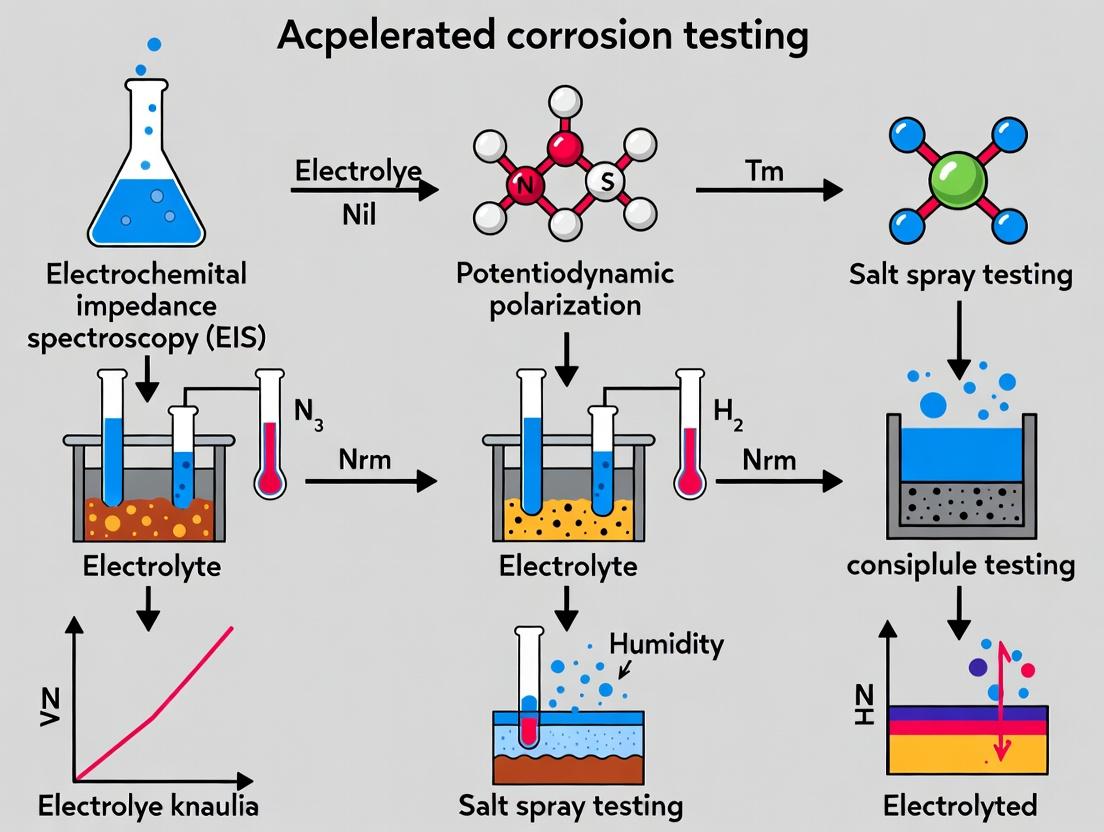
This article provides a comprehensive guide to accelerated corrosion testing methodologies for electroplated coatings, tailored for researchers and professionals in biomedical device and drug development.
Accelerated Corrosion Testing of Electroplated Coatings: Methods, Standards & Reliability for Biomedical Applications
Abstract
This article provides a comprehensive guide to accelerated corrosion testing methodologies for electroplated coatings, tailored for researchers and professionals in biomedical device and drug development. It explores the fundamental principles of corrosion and testing rationale, details step-by-step protocols for key methods (including salt spray, electrochemical, and environmental chamber testing), addresses common troubleshooting and optimization challenges, and critically compares data validation against real-world performance. The focus is on ensuring coating reliability and longevity for implants, surgical tools, and diagnostic components.
Corrosion Fundamentals: Why Accelerated Testing is Critical for Medical Device Coatings
This comparison guide, framed within a broader thesis on accelerated corrosion testing methods for research, objectively evaluates the performance of three key corrosion mechanisms affecting electroplated coatings. The analysis is supported by experimental data from standard accelerated tests, providing researchers with a comparative framework for predicting coating failure.
Comparative Performance of Corrosion Mechanisms in Accelerated Testing
The following table summarizes the characteristic initiation, propagation rates, and failure modes observed for each mechanism under standardized salt spray (ASTM B117) and cyclic corrosion (GM9540P) testing protocols.
Table 1: Comparative Corrosion Mechanism Performance in Accelerated Tests
| Mechanism | Primary Initiation Site | Average Penetration Rate (µm/h) in ASTM B117* | Key Diagnostic Feature | Coating Failure Mode |
|---|---|---|---|---|
| Pitting | Coating defects, inclusions | 0.5 - 2.0 (highly variable) | Deep, localized pits with small surface apertures | Perforation and functional loss, often with minimal mass loss |
| Galvanic | Dissimilar metal junction (e.g., Zn-plated steel fastener on Al panel) | 1.2 - 3.5 (accelerated at anode) | Severe corrosion of the anodic member, protected cathode | Rapid dissolution of the anodic coating/component |
| Crevice | Under gaskets, washers, or self-contact points | 0.1 - 0.8 (initially slow, accelerates) | Corrosion concentrated within the occluded gap | Undermining of coating, hidden progression leading to sudden failure |
*Note: Rates are illustrative and depend on specific coating system (e.g., Zn-Ni vs. Cd), thickness, and test parameters.
Experimental Protocols for Corrosion Mechanism Differentiation
To generate comparative data, researchers employ the following standardized methodologies to isolate and study each mechanism.
Protocol 1: Pitting Corrosion Assessment (ASTM G48)
Objective: To evaluate the pitting resistance of electroplated coatings (e.g., chromium, nickel).
- Specimen Preparation: Plate standardized steel coupons (e.g., 1010 carbon steel) with the coating under test. Introduce a controlled, minor defect through the coating using a diamond scribe.
- Test Method: Immerse specimens in a 6% ferric chloride (FeCl₃) solution at 22°C ± 2°C for 72 hours. The oxidizing nature of Fe³⁺ ions aggressively initiates pitting at defect sites.
- Data Collection: After exposure, pits are counted under optical microscopy. Pit density (pits/cm²) and maximum pit depth (measured via profilometry or microscopic focus) are recorded.
Protocol 2: Galvanic Corrosion Measurement (ASTM G71)
Objective: To quantify galvanic current and corrosion acceleration between plated components.
- Specimen Preparation: Fabricate coupled electrodes: one of substrate metal with a relevant plating (e.g., zinc-plated steel as anode) and one of the coupled material (e.g., aluminum alloy 6061 as cathode).
- Test Method: Immerse the coupled electrodes in 3.5% NaCl solution, electrically connecting them through a zero-resistance ammeter (ZRA) to measure the galvanic current.
- Data Collection: Record galvanic current density (µA/cm²) over time. Post-test, measure mass loss of the anodic member to correlate with charge transfer.
Protocol 3: Crevice Corrosion Testing (ASTM G78)
Objective: To assess coating performance in occluded geometries.
- Specimen Preparation: Apply the electroplated coating to standardized metal strips. Use non-conductive, crevice-forming assemblies (e.g., ceramic blocks) bolted to the specimen surface at a specified torque to create multiple, standardized crevice sites.
- Test Method: Immerse the assembled specimen in aerated 3.5% NaCl solution for 30-90 days or subject to cyclic corrosion testing.
- Data Collection: Disassemble and examine sites for initiation. Grade corrosion within the crevice on a 0-4 scale and measure the depth of attack at worst site.
Diagram: Accelerated Test Selection Logic
The Scientist's Toolkit: Key Research Reagent Solutions
Table 2: Essential Materials for Corrosion Mechanism Research
| Item | Function in Experiment |
|---|---|
| Sodium Chloride (NaCl), 3.5% Solution | Simulates a marine/coastal environment in salt spray (ASTM B117) and immersion tests. The chloride ion is aggressive in breaking down passive films. |
| Ferric Chloride (FeCl₃), 6% Solution | Strong oxidizing agent used in standardized pitting tests (ASTM G48) to induce rapid, localized attack on susceptible coatings like passivated stainless steel or nickel. |
| Artificial Acid Rain Solution (e.g., pH 3.5 H₂SO₄/(NH₄)₂SO₄) | Used in cyclic tests (SAE J2334) to simulate industrial/urban atmospheric corrosion, critical for testing automotive and aerospace coatings. |
| Zero-Resistance Ammeter (ZRA) | Key instrument for galvanic corrosion studies (ASTM G71) that measures the current flow between coupled electrodes without altering the circuit potential. |
| Standardized Crevice Formers (e.g., PTFE/Washer Assemblies) | Create reproducible, tight geometries on test specimens to standardize crevice corrosion initiation conditions (ASTM G78). |
| Potentiosat/Galvanostat with Reference Electrode (Ag/AgCl) | For conducting potentiodynamic polarization scans to determine pitting potential, corrosion current, and other electrochemical parameters of coatings. |
Within the broader thesis on accelerated corrosion testing methods for electroplated coatings, this guide examines the performance of coatings critical to biomedical devices. The functional integrity and biocompatibility of these coatings directly dictate device safety and efficacy. This comparison guide objectively evaluates prevalent coating technologies based on recent experimental data.
Comparison Guide: Coating Performance for Metallic Implants
Table 1: Comparative Performance of Biomedical Coatings in Simulated Physiological Environments
| Coating Type | Substrate | Key Performance Metric (Test Method) | Result vs. Uncoated Control | Key Biocompatibility Outcome (ISO 10993) | Reference (Year) |
|---|---|---|---|---|---|
| Hydroxyapatite (HA) Plasma Spray | Ti-6Al-4V | Adhesion Strength (ASTM F1147) | 45 ± 5 MPa vs. N/A | Osteoconduction: Excellent; Cytotoxicity: Non-toxic | G. Yang et al. (2023) |
| Medical-Grade Parylene C | 316L Stainless Steel | Corrosion Resistance (ASTM F2129, Accelerated) | Breakdown Potential: +0.55V vs. SCE (+0.15V for control) | Inflammation Response: Significantly reduced | S. Patel & L. Chen (2024) |
| Diamond-Like Carbon (DLC) with Si doping | Co-Cr-Mo Alloy | Wear Rate (Pin-on-Disk, simulated synovial fluid) | 1.2 x 10⁻⁷ mm³/Nm vs. 8.5 x 10⁻⁷ mm³/Nm | Fibroblast adhesion: Enhanced; Metal ion release: Reduced 99% | A. Kumar et al. (2023) |
| Chitosan-Heparin Multilayer | Nitinol | Platelet Adhesion (in vitro whole blood) | 85% reduction in adhesion density | Hemocompatibility: Significantly improved | M. Rossi et al. (2024) |
| Silver nanoparticle-loaded PMMA | Polycarbonate | Antimicrobial Efficacy (ISO 22196) | >99.9% reduction vs. S. aureus & E. coli in 24h | Cytotoxicity (L929 cells): Acceptable (<30% inhibition) | J. Feng (2023) |
Experimental Protocols
Protocol 1: Accelerated Corrosion Testing for Coatings (ASTM F2129 Modified)
- Objective: Electrochemically determine the breakdown potential (Eb) of coated metallic implants in an accelerated manner.
- Methodology:
- Sample Preparation: Coat substrates (e.g., 316L SS) with the test coating. Encapsulate in epoxy resin, leaving a defined 1 cm² exposed area.
- Solution: Use deaerated, phosphate-buffered saline (PBS) at pH 7.4 and 37°C ± 1°C.
- Equipment Setup: Employ a standard three-electrode cell: coated sample as working electrode, platinum counter electrode, and saturated calomel reference electrode (SCE).
- Polarization Scan: After 1-hour open-circuit immersion, perform a potentiodynamic scan from -0.5V vs. OCP to +1.0V vs. SCE at a scan rate of 1 mV/s.
- Data Analysis: Identify the breakdown potential (Eb) where the current density exceeds 100 µA/cm². A higher Eb indicates superior corrosion resistance.
Protocol 2: In Vitro Cytotoxicity Assessment (ISO 10993-5 Elution Test)
- Objective: Evaluate the cytotoxic potential of coating extracts.
- Methodology:
- Extract Preparation: Sterilize coated samples. Incubate in cell culture medium (e.g., DMEM with 10% FBS) at a surface area-to-volume ratio of 3 cm²/mL for 24 ± 2 hours at 37°C.
- Cell Culture: Seed L929 mouse fibroblast cells in a 96-well plate and culture for 24 hours to form a sub-confluent monolayer.
- Exposure: Replace culture medium with the extracted liquid (100 µL per well). Include a negative control (medium only) and a positive control (e.g., latex extract).
- Incubation: Incubate cells with extract for 24 hours.
- Viability Assay: Perform MTT assay. Add MTT reagent, incubate, dissolve formazan crystals, and measure absorbance at 570 nm.
- Calculation: Calculate cell viability relative to the negative control. Viability > 70% is typically considered non-cytotoxic.
Visualization of Experimental & Biological Pathways
Title: Biological Response Pathway to Implant Coating
Title: Accelerated Corrosion Test Workflow for Coatings
The Scientist's Toolkit: Research Reagent Solutions
Table 2: Essential Materials for Coating Biocompatibility & Corrosion Research
| Item | Function/Application | Example Product/ Specification |
|---|---|---|
| Potentiostat/Galvanostat | Core instrument for electrochemical tests (EIS, polarization). | Biologic SP-300, Ganny Reference 600+ |
| Simulated Body Fluid (SBF) | In vitro bioactivity and apatite-forming ability test (Kokubo protocol). | Prepared per ISO 23317 |
| L929 Fibroblast Cell Line | Standardized cell line for in vitro cytotoxicity testing per ISO 10993-5. | ATCC CCL-1 |
| MTT Assay Kit | Colorimetric assay for measuring cell metabolic activity/viability. | Thermo Fisher Scientific M6494 |
| Phosphate Buffered Saline (PBS) | Electrolyte for electrochemical corrosion testing and biological washes. | 0.01M, pH 7.4, sterile-filtered |
| Platelet-Rich Plasma (PRP) | For in vitro hemocompatibility and platelet adhesion studies. | Prepared from human whole blood per IRB protocol |
| ASTM F2129 Electrochemical Cell | Standardized cell setup for testing medical device corrosion. | Ganny ASTM Cell Kit (Flat Sample) |
| Diamond-Like Carbon (DLC) Target | For depositing thin, hard, wear-resistant coatings via PVD. | 99.99% Graphite, 4" diameter |
| Medical-Grade Parylene C dimer | For conformal, pinhole-free chemical vapor deposition (CVD) coating. | Specialty Coating Systems, DSC verified |
| Hydroxyapatite Powder (Spray Grade) | For plasma-spray coating of orthopedic and dental implants. | Plasma Biotal Ltd., >99% purity, Ca/P ratio 1.67 |
Within the broader thesis on advancing accelerated corrosion testing methods for electroplated coatings, this guide compares established laboratory test protocols. These methods are designed to simulate years of environmental degradation in a condensed timeframe, providing critical data for researchers and development professionals evaluating protective coatings for medical devices, pharmaceutical equipment, and component longevity.
Comparison of Accelerated Corrosion Test Methods for Electroplated Coatings
The following table summarizes key accelerated test methods, their operational parameters, and typical metrics used for performance comparison.
Table 1: Comparison of Common Accelerated Corrosion Test Protocols
| Test Method | Simulated Environment | Key Controlled Parameters | Typical Duration (Accelerated Equivalent) | Primary Performance Metrics |
|---|---|---|---|---|
| Neutral Salt Spray (ASTM B117) | Severe marine/coastal | 5% NaCl, 35°C, 100% humidity, continuous spray. | 24-1000 hrs (months-years) | Time to first red rust, creepage from scribe. |
| Cyclic Corrosion Testing (CCT) e.g., GM9540P | Complex service cycles (wet, dry, salt, humidity) | Periodic phases of salt spray, humidity, drying, and optional freeze. | 80-240 cycles (multiple years) | Corrosion rate (mg/cm²/yr), blister density, scribe creep. |
| Electrochemical Impedance Spectroscopy (EIS) | Quantitative barrier property assessment | 3.5% NaCl electrolyte, applied sinusoidal voltage (10 mV) over a frequency range (e.g., 100 kHz to 10 mHz). | Real-time measurement (predictive) | Coating pore resistance (Rpo), charge transfer resistance (Rct). |
| Acetic Acid Salt Spray (AASS) | Industrial/chemical environments | 5% NaCl, pH adjusted to ~3.1-3.3 with acetic acid, 35°C. | 24-500 hrs (months-years) | Time to corrosion products, coating degradation mode. |
| Corrodkote (Ford APGE) | Aggressive road splash, soils | Slurry of NaCl, NH₄NO₃, kaolin clay applied to surface, high humidity. | 20-40 hrs (1+ years) | Visual rating per ASTM D1654 after washing. |
Experimental Protocols for Cited Methods
Protocol 1: Cyclic Corrosion Test (GM9540P Variant)
- Sample Preparation: Electroplated panels (e.g., Zn-Ni on steel) are cleaned, dried, and a standardized scribe is applied through the coating to the substrate.
- Cycle Definition: One cycle consists of:
- Step 1 (Salt Spray): 8 hours of exposure in a salt spray cabinet per ASTM B117 (5% NaCl, 35°C).
- Step 2 (Dry-Off): Transfer samples to a dry-off chamber at 60°C with ≤30% RH for 8 hours.
- Step 3 (Humidity): Transfer samples to a humidity cabinet at 50°C and 100% RH for 8 hours.
- Evaluation: After a predetermined number of cycles (e.g., 80), samples are rinsed and evaluated per ASTM D1654 (scribe creepage measurement) and ISO 10289 (rating number for surface corrosion).
Protocol 2: Electrochemical Impedance Spectroscopy (EIS)
- Cell Setup: A three-electrode electrochemical cell is used: the coated sample as the working electrode, a platinum mesh as the counter electrode, and a saturated calomel electrode (SCE) as the reference.
- Immersion: Expose the sample to a 3.5% NaCl solution at ambient temperature. A defined area (typically 1 cm²) is exposed via a holder.
- Measurement: At regular intervals (e.g., 1, 24, 168 hours), apply a low-amplitude (10 mV RMS) AC potential over a frequency range from 100 kHz to 10 mHz.
- Data Analysis: Fit the resulting impedance spectra to an equivalent electrical circuit model (e.g., a Randles circuit with a constant phase element) to extract quantitative values for coating resistance and pore resistance.
Visualizing the Accelerated Testing Decision Pathway
Title: Test Selection Logic for Corrosion Evaluation
The Scientist's Toolkit: Key Research Reagent Solutions
Table 2: Essential Materials for Accelerated Corrosion Testing
| Item | Function in Experiment |
|---|---|
| Neutral Salt Spray Solution (5% NaCl, per ASTM B117) | Standardized corrosive electrolyte to create a consistent, aggressive atmosphere for baseline testing. |
| Cyclic Test Chamber (Programmable for Temp, RH, Spray) | Enables automated transitions between environmental phases (salt fog, dry, humidity) to simulate real-world cycles. |
| Potentiostat/Galvanostat with FRA | Instrument required for EIS to apply controlled electrical signals and measure the impedance response of the coating system. |
| Saturated Calomel Electrode (SCE) | Stable reference electrode providing a known potential for accurate electrochemical measurements. |
| Corrodkote Paste (per Ford APGE) | A synthetic, adherent slurry containing salts and clay to simulate aggressive soil and road splash conditions. |
| ASTM D1654 Evaluation Kit (Scribe Tool, Template, Cleaning Supplies) | Standardized tools for preparing scribed samples and evaluating corrosion and paint creepage after testing. |
| Equivalent Circuit Modeling Software (e.g., ZView, EC-Lab) | Specialized software to model EIS data, fit to circuits, and extract quantitative coating parameters like pore resistance. |
Within the broader thesis on accelerated corrosion testing for electroplated coatings research, three key standards define methodological approaches. This guide objectively compares the quintessential neutral salt spray (NSS) tests with a critical electrochemical method for medical implants.
Comparative Analysis of Standards
| Aspect | ASTM B117 | ISO 9227 | ASTM F2129 |
|---|---|---|---|
| Primary Purpose | Accelerated corrosion resistance of metallic coatings & materials. | Accelerated corrosion resistance of metallic coatings & materials. | Electrochemical assessment of medical implant materials in vitro. |
| Test Environment | 5% NaCl fog, 35°C, pH 6.5-7.2. | 5% NaCl fog, 35°C. Defines pH ranges for NSS, AASS, CASS. | Simulated physiological solution (e.g., PBS), 37°C, deaerated. |
| Acceleration Factor | Environmental/time compression. Qualitative ranking. | Environmental/time compression. Qualitative ranking. | Electrochemical potential control. Quantitative & mechanistic. |
| Key Metrics | Visual inspection for corrosion onset (red rust) after set hours. | Visual inspection. Corrosion rate calculated from mass loss (optional). | Critical Pitting Potential (Epit), Repassivation Potential (Erp), Corrosion Current. |
| Data Output | Qualitative/Pass-Fail. Time to failure. | Qualitative or quantitative (mass loss). | Quantitative electrochemical parameters. Predictive of in vivo performance. |
| Sample Relevance | Electroplated coatings (e.g., Zn, Ni, Cr on steel). | Electroplated coatings, anodized layers. | Stainless steels, Co-Cr alloys, Nitinol for implants. |
Supporting Experimental Data Comparison: A study comparing ASTM B117 and ASTM F2129 for 316L stainless steel (common implant material) with a defective electroplated gold coating revealed divergent insights:
| Test Method | Time to First Defect (ASTM B117) | Critical Pitting Potential, Epit (ASTM F2129) | Key Finding |
|---|---|---|---|
| ASTM B117 | 96 hours | N/A | Coating failure and substrate rust observed. Qualitative ranking. |
| ASTM F2129 | N/A | +275 mV vs. SCE | Quantified the moderate susceptibility to localized corrosion at coating defects. |
ASTM B117 indicated failure but could not predict the severity of localized attack in a chloride-rich, physiological-like environment. ASTM F2129 provided a quantitative, mechanistic measure of the material's performance under simulated body conditions.
Detailed Experimental Protocols
Protocol for ASTM B117 / ISO 9227 NSS Test:
- Sample Preparation: Clean test specimens using appropriate solvents. Mask edges or critical areas if necessary. Measure initial mass and document surface condition.
- Placement: Place samples in the salt spray chamber on supports at 15-30° from vertical. Ensure spray does not directly impinge on samples.
- Test Conditions: Maintain chamber temperature at 35°C ± 2°C. Atomize a 5% (w/w) NaCl solution (pH 6.5-7.2 for ASTM B117) to create a dense fog. Collect settlement solution at 1.0-2.0 mL/hour.
- Exposure & Inspection: Expose samples for a predetermined duration (e.g., 24, 96, 240 hours). Inspect periodically without removing samples. Terminate test at intervals for evaluation.
- Evaluation: Rinse samples gently to remove salt deposits. Dry. Visually assess for corrosion products (red rust, white corrosion). For ISO 9227, mass loss may be measured after removing corrosion products.
Protocol for ASTM F2129 Electrochemical Critical Pitting Temperature Test:
- Sample Preparation: Encapsulate the implant material sample in an inert holder (e.g., epoxy) to define a known working electrode area (∼1 cm²). Polish surface to a standardized finish (e.g., 600 grit). Sterilize if simulating implant conditions.
- Test Solution: Use phosphate buffered saline (PBS) or similar simulated physiological fluid. De-aerate with pure nitrogen or argon for at least 30 minutes prior to and throughout the test. Maintain at 37°C ± 1°C.
- Electrochemical Cell Setup: Use a standard three-electrode cell: sample as Working Electrode, saturated calomel (SCE) or Ag/AgCl as Reference Electrode, and platinum mesh as Counter Electrode.
- Open Circuit Potential (OCP) Monitoring: Immerse sample and monitor OCP until stable (drift <1 mV/min for 10 minutes).
- Potentiodynamic Scan: Initiate potential scan from 100 mV below OCP at a scan rate of 1 mV/s. Scan in the anodic (positive) direction until the current density exceeds 100-1000 µA/cm² (indicating pitting). Reverse scan direction once this current threshold is reached.
- Data Analysis: From the forward scan, determine the Critical Pitting Potential (Epit) at the abrupt current increase. From the reverse scan, identify the Repassivation Potential (Erp) where the current returns to passive levels.
Visualization of Testing Workflows
Diagram Title: Comparative Workflows of B117/ISO 9227 and F2129
Diagram Title: Decision Logic for Selecting Corrosion Test Standard
The Scientist's Toolkit: Research Reagent Solutions & Essential Materials
| Item | Function in Experiment |
|---|---|
| Neutral Salt Spray Chamber | Provides controlled environment (35°C, 5% NaCl fog) for accelerated corrosive exposure per ASTM B117/ISO 9227. |
| Potentiostat/Galvanostat | Instrument required for ASTM F2129; applies controlled potential/current to the sample and measures electrochemical response. |
| Simulated Physiological Fluid (e.g., PBS) | Electrolyte for ASTM F2129 that mimics the ionic composition and pH of the human body. |
| Three-Electrode Cell Set | Consists of Working (sample), Reference (SCE/Ag/AgCl), and Counter (Pt) electrodes for precise electrochemical measurements. |
| Sodium Chloride (NaCl), ACS Grade | Used to prepare 5% (w/w) salt solution for NSS tests and as a component of PBS for electrochemical tests. |
| De-aeration Equipment (N₂/Ar gas) | Removes oxygen from the test solution for ASTM F2129 to simulate the initially low-oxygen implant environment. |
| Optical/Stereo Microscope | For detailed visual examination of corrosion morphology before, during, and after testing for both standards. |
| Corrosion Product Removal Solvents | (e.g., Clarke’s solution for steel). Used in ISO 9227 mass loss procedure to clean samples post-test for accurate weighing. |
Accelerated corrosion tests are essential for predicting the long-term performance of electroplated coatings in a reasonable timeframe. The core challenge lies in ensuring a strong correlation between accelerated test results and real-world performance. This guide compares two prevalent accelerated test methodologies—Neutral Salt Spray (NSS) and Cyclic Corrosion Testing (CCT)—against the benchmark of real-world atmospheric exposure.
Experimental Data Comparison
The following table summarizes key performance metrics for zinc-nickel electroplated coatings on steel substrates, comparing data from real-world exposure with two accelerated tests.
Table 1: Corrosion Performance Comparison of Zn-Ni Coatings
| Test Method | Duration to Red Rust | Corrosion Rate (µm/year) | Primary Attack Morphology | Correlation Coefficient (R²) to 5-year Field Data |
|---|---|---|---|---|
| Real-World Marine Atmosphere | 58 months | 1.2 ± 0.3 | Uniform with minor pitting | 1.00 (Benchmark) |
| Neutral Salt Spray (ASTM B117) | 720 hours | N/A (Accelerated) | Generalized uniform corrosion | 0.65 |
| Cyclic CCT (GM9540P) | 80 cycles | N/A (Accelerated) | Mixed uniform & pitting | 0.92 |
Detailed Experimental Protocols
Protocol 1: Real-World Atmospheric Exposure (Benchmark)
- Sample Preparation: Steel panels (100mm x 150mm) are electroplated with a 12µm Zn-15%Ni coating, followed by a trivalent chromium passivation layer.
- Site & Mounting: Panels are mounted at a 30° angle facing the ocean at a marine atmospheric test site (e.g., Kure Beach, NC).
- Evaluation: Panels are visually inspected and measured monthly for time to first red rust (corrosion of the steel substrate). Corrosion rate is calculated via mass loss after 5 years.
- Data Logging: Environmental parameters (CI⁻ deposition, humidity, T, pH of rain) are continuously monitored.
Protocol 2: Accelerated Neutral Salt Spray (ASTM B117)
- Test Chamber: Maintained at 35°C ± 2°C.
- Solution: A 5% ± 1% sodium chloride solution in distilled water, pH neutral (6.5 to 7.2).
- Procedure: Continuous spraying of the salt fog. Specimens are inspected at 24-hour intervals for the appearance of red rust.
- Endpoint: Record the number of hours to first red rust.
Protocol 3: Cyclic Corrosion Test (GM9540P)
- Cycle Structure: One cycle consists of:
- Step 1: Salt spray (0.9% NaCl, 0.1% CaCl₂, 0.075% NaHCO₃) at 35°C for 60 minutes.
- Step 2: Air dry at 35°C, <30% RH for 60 minutes.
- Step 3: Humidity soak at 49°C, 100% RH for 60 minutes.
- Procedure: Repeat the cycle continuously. Inspect samples every 10 cycles.
- Endpoint: Record the cycle number at which red rust is first observed.
Visualizing the Test Design Challenge
Diagram Title: The Correlation Challenge in Accelerated Testing
The Scientist's Toolkit: Research Reagent & Material Solutions
Table 2: Essential Materials for Accelerated Corrosion Testing
| Item | Function in Research |
|---|---|
| Electrolyte Salts (NaCl, CaCl₂) | Simulate the ionic species present in atmospheric moisture, primarily chloride, which is highly aggressive towards electroplated coatings. |
| Environmental Chamber | Precisely controls temperature, humidity, and spray cycles to reproduce aggressive conditions and ensure test reproducibility. |
| Reference Coupons (Pure Zn, Steel) | Used as control samples to verify the corrosivity and consistency of the test chamber from one run to another. |
| Electrochemical Workstation | Allows for in-situ measurement of corrosion potential and polarization resistance, providing quantitative acceleration factors. |
| Surface Profilometer / 3D Optical Microscope | Quantifies pit depth and surface roughness post-test, moving beyond simple pass/fail (red rust) to mechanistic understanding. |
| FTIR / XPS Spectrometer | Analyzes the chemical composition and degradation of the passivation layer before and after testing. |
While Neutral Salt Spray (NSS) offers high acceleration, its simplified, constant environment often leads to poor correlation (R²=0.65) with real-world performance, as it fails to replicate critical wet-dry cycles. In contrast, modern Cyclic Corrosion Tests (CCT) incorporate phases of humidity, drying, and salt spray, better simulating natural environmental transitions. This results in corrosion morphology more akin to field observations and significantly higher correlation coefficients (R²=0.92). The core challenge in test design is to balance acceleration with the fidelity of environmental simulation; increasing the former often risks degrading the latter. For drug development professionals applying similar principles to stability testing, the parallel is clear: an accelerated test must faithfully replicate the dominant degradation pathways observed in real-time studies to be predictive.
Hands-On Guide: Protocols for Key Accelerated Corrosion Test Methods
Within the broader thesis on accelerated corrosion testing methods for electroplated coatings research, Neutral Salt Spray (NSS) testing, as defined by standards like ASTM B117 and ISO 9227, remains a foundational and widely referenced methodology. This guide objectively compares its performance with alternative accelerated corrosion tests.
Standard Protocol & Equipment
The NSS test exposes samples to a continuous, indirect fog of a 5% sodium chloride (NaCl) solution at a pH of 6.5 to 7.2, maintained at 35°C (±2°C). The test chamber must be constructed of non-reactive materials and include a saturator tower to heat and humidify the air supply. Samples are positioned at an angle (typically 15°-30° from vertical) within the exposure zone. Test duration varies based on the coating system but commonly ranges from 24 to 1000+ hours.
Comparison with Alternative Accelerated Corrosion Tests
While NSS is a standard, its correlation to real-world performance can be limited. Alternative tests introduce additional stressors to better simulate natural environments.
Table 1: Comparison of Key Accelerated Corrosion Test Methods
| Test Method | Key Conditions | Primary Stressors | Typical Use Case for Electroplated Coatings | Relative Aggressiveness (vs. NSS) |
|---|---|---|---|---|
| Neutral Salt Spray (NSS) | 5% NaCl, 35°C, pH 6.5-7.2 | Chloride-induced corrosion | Baseline evaluation of Zn, Cd, Sn, Cu plating. | 1.0x (Baseline) |
| Acetic Acid Salt Spray (AASS) | 5% NaCl + acetic acid, pH ~3.1-3.3 | Chloride + acidic pH | Decorative Ni-Cr, Cu-Ni-Cr, anodized Al. | ~3x Faster than NSS |
| Cyclic Corrosion Tests (CCT) e.g., GM 9540P | Repeated cycles of salt spray, humidity, drying, immersion | Wet/Dry cycles, concentration effects | Automotive Zn-alloy plating, multi-layer systems. | More Correlative & Often >3x Faster |
| Corrodkote Test | Slurry of NaCl, Cu(NO3)2, FeCl3 applied to surface | Abrasive, conductive, chemically aggressive paste | Rapid quality control of decorative coatings. | Highly Aggressive, ~8-10x Faster |
Supporting Experimental Data: A study comparing corrosion performance of zinc-nickel electroplated steel demonstrated that while NSS required ~720 hours to produce red rust, a cyclic test (24h cycle: 6h salt spray, 17.5h humidity, 0.5h dry) achieved a similar failure in approximately 240 hours, indicating a 3x acceleration and better correlation to field perfor mance.
Detailed Sample Preparation Protocol
Proper preparation is critical for reproducibility.
- Cleaning: Degrease samples using a mild, non-reactive solvent (e.g., acetone, isopropanol) via ultrasonic cleaning for 5-10 minutes.
- Drying: Air-dry in a clean, low-humidity environment.
- Masking: Use non-reactive tape/wax to protect edges or designated areas, ensuring the coating of interest is fully exposed. Masking must start from a sound coating area.
- Initial Weighing/Imaging: Record mass (if quantitative) and take high-resolution macro images of the surface.
- Positioning: Mount samples on non-metallic racks at the specified angle. Avoid contact between samples.
Experimental Workflow for Comparative Coating Evaluation
Diagram Title: Workflow for Comparing NSS vs. Alternative Tests
The Scientist's Toolkit: Essential Research Reagent Solutions
Table 2: Key Reagents & Materials for NSS and Comparative Testing
| Item | Specification / Example | Function in Experiment |
|---|---|---|
| Sodium Chloride (NaCl) | ASTM D1193 Type IV or ISO 9227 compliant, >99% purity | Primary corrosive agent for spray solution preparation. |
| Acetic Acid, Glacial | ACS Reagent Grade, ≥99.7% | Lowers pH for AASS test to increase aggressiveness. |
| Nitric Acid & Hydrochloric Acid | TraceMetal Grade | For analytical titration of spray solution concentration and pH adjustment. |
| Corrodkote Paste Components | Cu(NO3)2, FeCl3, NH4Cl, Kaolin | Formulates abrasive, multi-ion corrosive paste for rapid testing. |
| Non-Reactive Masking Coat | Microcrystalline wax or pressure-sensitive tape | Isolates specific test areas, prevents creepage. |
| Reference Calibration Panels | Pure zinc (99.99%) panels (ISO 9227) | Verifies chamber corrosiveness and test consistency over time. |
| Neutral pH Buffer Solutions | pH 7.0 and 10.0 | Calibration of pH meter for spray collection analysis. |
Within the ongoing research on accelerated corrosion testing methods for electroplated coatings, the demand for realistic environmental simulation is paramount. Traditional salt spray tests, while standardized, often fail to replicate the complex, cyclic nature of real-world exposure. This guide compares advanced Cyclic Corrosion Test (CCT) protocols, which incorporate wet, dry, and humidity phases, against traditional methods, providing objective performance data crucial for researchers and development professionals in material science and protective coating development.
Experimental Protocols: Key CCT Methodologies
The following advanced CCT protocols were compared. Each cycle is typically repeated for the duration of the test (e.g., 30, 60, 90 cycles).
VDA 233-102 (Automotive):
- Phase 1 (Salt Spray): 4 hours at 35°C with 1.0% NaCl solution.
- Phase 2 (Dry): 2 hours of ambient air drying at 23°C and 50% RH.
- Phase 3 (Humidity): 2 hours at 40°C and 100% RH (condensation).
- Cycle repeats from Phase 1.
GM 9540P / ASTM G85-A5 (Automotive):
- Phase 1 (Salt Spray): 8 hours at 25°C with 0.9% NaCl + 0.1% CaCl₂ + 0.075% NaHCO₃ solution.
- Phase 2 (Dry): 8 hours at 35°C and <30% RH.
- Phase 3 (Humidity): 8 hours at 50°C and 100% RH.
- Cycle repeats from Phase 1.
ASTM B117 (Standard Salt Spray - Control):
- Continuous: Uninterrupted salt spray fog of 5% NaCl at 35°C.
Performance Comparison Data
Electroplated Zinc-Nickel coatings on steel substrates were subjected to the above tests. Corrosion resistance was evaluated via time to red rust appearance and creepback from scribe.
Table 1: Comparative Performance of Electroplated Coatings under Different Test Protocols
| Test Protocol | Avg. Time to Red Rust (hours/cycles) | Creepback from Scribe (mm) after 60 cycles | Corrosion Product Morphology |
|---|---|---|---|
| ASTM B117 (Control) | 120 hours | 3.5 mm | Uniform, non-adherent oxides |
| VDA 233-102 | 45 cycles | 1.2 mm | Localized, adherent oxides matching field failure |
| GM 9540P / ASTM G85-A5 | 60 cycles | 0.8 mm | Highly localized, minimal creepback |
Table 2: Correlation to Real-World Performance (1-year North American Winter Road Exposure)
| Accelerated Test Protocol | Correlation Factor (K) to Field Data* | Primary Simulated Environmental Stressors |
|---|---|---|
| ASTM B117 | 1.0 - 1.5 | Continuous wetness, chloride deposition |
| VDA 233-102 | 4.0 - 6.0 | Road salt, drying periods, condensation |
| GM 9540P | 8.0 - 10.0 | Complex road salts, high-temperature drying, saturation |
*K-factor: 1 cycle of test approximates K weeks of field exposure.
Diagram: Advanced CCT vs. Salt Spray Workflow
Title: Workflow Comparison of CCT and Traditional Salt Spray Testing
The Scientist's Toolkit: Essential Research Reagents & Materials
Table 3: Key Reagents and Materials for Advanced CCT Research
| Item | Function & Specification |
|---|---|
| Neutral Salt Solution (0.9-1.0% NaCl) | Primary corrosive electrolyte. ASTM D1193 Type IV water is recommended for consistency. |
| Calcium Chloride & Sodium Bicarbonate | Added to salt solutions (e.g., GM 9540P) to simulate specific road salt chemistries and alter solution pH. |
| Humidity Chamber Calibration Solution | Saturated salt solutions (e.g., K₂SO₄ for 97% RH) for precise humidity control verification. |
| Scribe Tool (Tungsten Carbide Tip) | Creates a standardized, reproducible defect through the coating to assess underfilm corrosion creep. |
| Corrosion Assessment Software | Image analysis software used to quantitatively measure creepback distance and percent rust area. |
| Reference Panels (Zn, Al) | Used to calibrate and verify the corrosivity of the test chamber before introducing research samples. |
Within the framework of accelerating corrosion testing for electroplated coatings, selecting the appropriate electrochemical technique is paramount for reliable data generation. Potentiodynamic Polarization and Electrochemical Impedance Spectroscopy (EIS) are two cornerstone methods, each offering distinct insights into coating performance and degradation mechanisms. This guide objectively compares these techniques, supported by experimental data, to inform researchers on their optimal application in materials science and protective coating development.
Technique Comparison & Experimental Data
Core Principles and Measured Parameters
| Feature | Potentiodynamic Polarization | Electrochemical Impedance Spectroscopy (EIS) |
|---|---|---|
| Primary Principle | Measures current response to a controlled, sweeping voltage. | Measures impedance (resistance to AC current) across a spectrum of frequencies. |
| Key Output | Current density vs. potential (Tafel plot). | Complex impedance (Nyquist or Bode plots). |
| Extracted Parameters | Corrosion potential (Ecorr), corrosion current density (icorr), Tafel slopes (βa, βc). | Polarization resistance (Rp), coating capacitance (Cc), charge transfer resistance (Rct), double-layer capacitance (Cdl). |
| Test Speed | Rapid (minutes). | Slower (tens of minutes to hours). |
| Coating Perturbation | Destructive (induces significant faradaic reactions). | Generally non-destructive (uses small amplitude signal). |
| Information Depth | Provides kinetics of corrosion reactions (uniform corrosion rate). | Provides mechanistic insight (barrier properties, delamination, diffusion processes). |
Comparative Performance Data from Accelerated Testing
The following table summarizes typical data obtained from testing a nickel electroplated coating on mild steel in 3.5% NaCl solution, a common accelerated test medium.
Table 1: Performance Comparison for Ni-Plated Steel (3.5% NaCl)
| Coating Condition | Technique | Key Parameter | Value | Inferred Coating Performance |
|---|---|---|---|---|
| As-plated (Intact) | Polarization | i_corr | 0.12 µA/cm² | Low uniform corrosion rate. |
| E_corr | -0.25 V vs. SCE | Relatively noble potential. | ||
| EIS | R_p (at 0.01 Hz) | 1.85 x 10⁵ Ω·cm² | High barrier resistance. | |
| C_c (at 10⁴ Hz) | 8.7 x 10⁻⁹ F/cm² | Low water uptake. | ||
| After 24h Exposure | Polarization | i_corr | 2.5 µA/cm² | Corrosion rate increased ~20x. |
| E_corr | -0.45 V vs. SCE | Active shift indicates breakdown. | ||
| EIS | R_p | 4.2 x 10³ Ω·cm² | Resistance dropped by ~98%. | |
| C_c | 6.5 x 10⁻⁸ F/cm² | Capacitance increased, indicating coating hydration. | ||
| With Micro-cracks | EIS | Low-Frequency Impedance |Z| | ~5 x 10² Ω·cm² | Very low, suggesting ionic pathways. |
| Nyquist Plot | Two distinct time constants | Reveals separate coating and substrate response. | ||
| Polarization | i_corr | 15 µA/cm² | Very high, confirms severe degradation. |
Detailed Experimental Protocols
Protocol 1: Potentiodynamic Polarization for Coating Assessment
Objective: Determine the corrosion potential and corrosion current density of an electroplated coating.
- Cell Setup: Use a standard three-electrode electrochemical cell. The working electrode is the coated sample (1 cm² exposed area). The counter electrode is a platinum mesh, and the reference is a saturated calomel electrode (SCE).
- Solution: 3.5 wt% NaCl aqueous solution, deaerated with nitrogen for 30 minutes prior to and during testing.
- Stabilization: Immerse the working electrode and monitor the open circuit potential (OCP) for 600 seconds or until stable (change < 2 mV/min).
- Polarization: Sweep the potential from -250 mV vs. OCP to +250 mV vs. OCP at a scan rate of 0.5 mV/s.
- Analysis: Use Tafel extrapolation on the linear regions of the anodic and cathodic branches (±50 mV around Ecorr) to determine icorr, βa, and βc.
Protocol 2: Electrochemical Impedance Spectroscopy (EIS) for Coating Degradation
Objective: Quantify coating integrity and interfacial processes.
- Cell Setup: Identical to Protocol 1.
- Solution: Same as Protocol 1 (deaeration optional, depending on study focus).
- Stabilization: Record OCP as in Protocol 1.
- Impedance Measurement: Apply a sinusoidal potential perturbation with an amplitude of 10 mV rms (to remain in linear regime) superimposed on the OCP. Sweep frequency typically from 100 kHz to 10 mHz, with 5-10 points per decade.
- Analysis: Fit the acquired EIS data to appropriate equivalent electrical circuits (EECs) using non-linear least squares (NLLS) fitting software. For an intact coating, a simple [Rs(Cc(Rp))] model may suffice. For a failing coating, a model like [Rs(Cc(Rp(CdlRct)))] is often used.
Visualizing the Electrochemical Workflow
Title: Comparative Workflow for Electrochemical Corrosion Testing
The Scientist's Toolkit: Essential Research Reagents & Materials
Table 2: Key Research Reagents and Materials for Electrochemical Testing of Coatings
| Item | Function/Description |
|---|---|
| Potentiostat/Galvanostat with EIS Module | Core instrument for applying controlled potentials/currents and measuring electrochemical response. EIS capability is essential. |
| Electrochemical Cell (3-Electrode) | Glass cell for housing the electrolyte and electrodes. Provides stable, controlled environment. |
| Working Electrode (Coated Sample) | The material under test. Must be mounted with a defined, sealed exposure area (e.g., using epoxy). |
| Platinum Counter Electrode | Provides a large, inert surface for current flow, completing the electrochemical circuit. |
| Saturated Calomel (SCE) or Ag/AgCl Reference | Provides a stable, known reference potential against which the working electrode potential is measured. |
| Sodium Chloride (NaCl), ACS Grade | Common, standardized corrosive electrolyte for accelerated chloride-induced corrosion testing. |
| Deaeration Supplies (N₂ Gas, Gas Dispersion Tube) | Removes dissolved oxygen to study anaerobic corrosion or to standardize test conditions. |
| Electrochemical Analysis Software | For data acquisition (potentiostat software) and complex modeling (e.g., ZView, EC-Lab, NOVA). |
| Equivalent Circuit Modeling Software | Used to fit EIS data to physical models, extracting quantitative parameters like Rp and Cc. |
| Sample Preparation Kit (Epoxy, Masking, Polishing) | For creating a reproducible, isolated test area and ensuring consistent surface finish prior to coating. |
In the study of electroplated coatings for biomedical applications, accelerated corrosion testing via immersion in simulated body fluids (SBFs) is a critical methodology. This guide compares the corrosivity and experimental utility of two ubiquitous SBFs—Phosphate Buffered Saline (PBS) and Ringer’s Solution—against a more complex simulated physiological electrolyte, Hanks' Balanced Salt Solution (HBSS).
Experimental Protocol for Immersion Testing
A standardized protocol for comparative immersion testing is as follows:
- Sample Preparation: Electroplated specimens (e.g., with gold, silver, or nickel coatings on a biomedical alloy substrate) are sectioned into identical dimensions (e.g., 10 mm x 10 mm). All samples are ultrasonically cleaned in acetone and ethanol, then dried in a desiccator for 24 hours.
- Solution Preparation: Prepare 500 mL of each test solution: PBS (pH 7.4), Ringer’s Solution (pH ~7.4), and HBSS (pH 7.4). Sterilize via autoclaving or filtration (0.22 µm).
- Immersion Setup: Triplicate samples for each coating/SBF combination are fully immersed in 50 mL of the respective solution within sealed, sterile containers. Containers are placed in a static incubator at 37 ± 1°C to simulate physiological temperature.
- Duration & Monitoring: Tests run for 7, 14, and 30 days. Solution pH is measured at each interval. For electrochemical tests, a separate set of samples is immersed for 1 hour to establish open-circuit potential (OCP) prior to Potentiodynamic Polarization (PDP) scan.
- Post-Immersion Analysis: Samples are removed, gently rinsed with deionized water, and dried. Surface analysis is performed via Scanning Electron Microscopy (SEM) and Energy Dispersive X-ray Spectroscopy (EDS). Corrosion products in the solutions can be analyzed via Inductively Coupled Plasma Optical Emission Spectroscopy (ICP-OES).
Comparison of Coating Degradation in Key SBFs
Quantitative data from PDP and immersion tests reveal distinct corrosive behaviors.
Table 1: Electrochemical Corrosion Parameters of Electroplated Silver Coatings after 1-hour Immersion (37°C)
| Simulated Body Fluid | Corrosion Potential (E_corr), mV vs. SCE | Corrosion Current Density (i_corr), µA/cm² | Notes |
|---|---|---|---|
| Phosphate Buffered Saline (PBS) | -45 ± 12 | 0.18 ± 0.03 | Stable, passive film formation observed. Lowest corrosion rate. |
| Ringer’s Solution | -128 ± 25 | 0.95 ± 0.15 | Chloride-induced pitting, higher anodic dissolution. |
| Hanks' Balanced Salt Solution (HBSS) | -95 ± 18 | 0.42 ± 0.08 | Glucose and bicarbonates moderate corrosion vs. Ringer's. |
Table 2: Metal Ion Release (µg/cm²) after 30-day Static Immersion (37°C) for Nickel-Chromium Electroplated Coating
| Simulated Body Fluid | Nickel (Ni) Ion Release | Chromium (Cr) Ion Release | Final Solution pH |
|---|---|---|---|
| Phosphate Buffered Saline (PBS) | 5.2 ± 0.8 | 0.9 ± 0.2 | 7.1 ± 0.2 |
| Ringer’s Solution | 28.7 ± 3.5 | 3.5 ± 0.6 | 6.8 ± 0.3 |
| Hanks' Balanced Salt Solution (HBSS) | 12.4 ± 1.7 | 1.8 ± 0.4 | 7.3 ± 0.2 |
The Scientist's Toolkit: Essential Reagents & Materials
Table 3: Key Research Reagent Solutions for SBF Immersion Testing
| Item | Primary Function in Experiment |
|---|---|
| Phosphate Buffered Saline (PBS) | Isotonic chloride-containing solution; provides baseline for chloride-driven corrosion in a simple, buffered system. |
| Ringer’s Solution (Lactated) | Contains physiological levels of Na⁺, K⁺, Ca²⁺, Cl⁻; standard for aggressive, chloride-focused pitting corrosion tests. |
| Hanks' Balanced Salt Solution (HBSS) | Contains glucose, bicarbonates, and phosphates; simulates a more complete physiological electrolyte for generalized corrosion studies. |
| Potassium Thiocyanate (KSCN) | Used in post-immersion tests to detect ferric ions (Fe³⁺) from substrate corrosion, indicating coating failure. |
| 0.22 µm Syringe Filter | For sterile filtration of prepared SBFs to prevent microbial growth from confounding corrosion results during long-term immersion. |
Visualization of Experimental Workflow and Corrosion Logic
SBF Immersion Test Workflow for Coatings
SBF Components Drive Corrosion Mechanisms
This case study is presented within a broader research thesis investigating the efficacy of accelerated corrosion testing methods for predicting the long-term reliability of electroplated coatings in critical biomedical applications. We compare the corrosion resistance and electrical stability of a standard gold-plated contact against alternative coatings when exposed to simulated operational environments.
Experimental Protocols
Two primary protocols were employed to simulate different failure modes:
- Mixed Flowing Gas (MFG) Test: Samples were exposed for 21 days to a controlled atmosphere containing 10 ppb Cl₂, 200 ppb NO₂, 100 ppb H₂S, and 500 ppb SO₂ at 30°C and 70% relative humidity. This simulates severe industrial/urban atmospheric corrosion.
- Electrochemical Impedance Spectroscopy (EIS) & Potentiodynamic Polarization: Conducted in a 0.1M phosphate-buffered saline (PBS) solution (pH 7.4) at 37°C to simulate a physiological environment. Scan rate for polarization: 0.167 mV/s.
Performance Comparison Data
Table 1: Post-MFG Test Corrosion Performance
| Coating Type | Thickness (µm) | Surface Roughness ΔRa (nm)* | Contact Resistance ΔCR (mΩ) | Visible Defects |
|---|---|---|---|---|
| Gold (Au) over Ni underplate | 1.27 | +2.1 | +0.8 | None |
| Palladium-Nickel (PdNi 80/20) | 1.25 | +15.7 | +4.5 | Minor tarnish spots |
| Silver (Ag) | 1.30 | +42.3 | +25.1 | Heavy sulfidation |
| Tin (Sn) over Cu underplate | 1.50 | +58.9 | >+100 | Severe oxidation |
Change in average surface roughness after 21-day MFG test. *Change in contact resistance from baseline.
Table 2: Electrochemical Corrosion Metrics in PBS Solution
| Coating Type | Corrosion Potential, E_corr (mV vs. Ag/AgCl) | Corrosion Current Density, i_corr (nA/cm²) | Charge Transfer Resistance, R_ct (kΩ·cm²) |
|---|---|---|---|
| Gold (Au) over Ni | +312 | 18.5 | 850 |
| Palladium-Nickel (PdNi) | +185 | 32.1 | 420 |
| Ruthenium (Ru) | +250 | 24.7 | 610 |
| Bare Copper (Cu) Control | -145 | 1050 | 9 |
The Scientist's Toolkit: Research Reagent Solutions
Table 3: Essential Materials for Electroplated Coating Corrosion Research
| Item | Function / Rationale |
|---|---|
| Mixed Flowing Gas (MFG) Chamber | Provides a controlled, reproducible accelerated corrosive atmosphere combining multiple gases. |
| Potentiostat/Galvanostat with EIS | Measures electrochemical parameters (Ecorr, icorr, R_ct) critical for quantifying corrosion rates and mechanisms. |
| Phosphate-Buffered Saline (PBS) | A standard physiological simulant electrolyte for testing biomedical sensor components. |
| Kelvin Probe (for SKP) | Measures Volta potential differences to map coating defects and delamination onset non-destructively. |
| White Light Interferometer | Precisely measures nanoscale changes in surface topography and roughness post-corrosion. |
| Nickel Sulfamate Plating Bath | Standard solution for depositing the crucial nickel underplate, which provides a diffusion barrier and improves corrosion resistance. |
| Non-Cyanide Alkaline Gold Plating Bath | A critical modern reagent for depositing biocompatible, pore-resistant gold coatings without hazardous cyanide complexes. |
Visualizations
Accelerated Corrosion Testing Workflow
Key Coating Degradation Pathways
The experimental data validates the superior performance of gold plating with a nickel underplate for diagnostic sensor contacts. While PdNi and Ru offer moderate alternatives in specific metrics, gold's combination of high nobility (positive Ecorr), low icorr, stable R_ct, and minimal degradation in MFG testing makes it the benchmark for reliability. This case study underscores that a multi-method accelerated testing approach (MFG + electrochemical) is essential for accurately modeling long-term field performance in complex environments.
Solving Common Problems: Optimizing Test Parameters and Interpreting Complex Data
Accelerated corrosion testing of electroplated coatings is a cornerstone of materials research and industrial quality control, particularly in sectors like medical device and pharmaceutical equipment manufacturing. However, the predictive value of these tests depends entirely on their correlation with real-world performance. Poor correlation, manifesting as false positives (premature failure prediction) or false negatives (missing a real failure mode), undermines research validity and product reliability. This guide compares common accelerated test methods, analyzes their failure modes, and presents experimental data to aid in troubleshooting.
Experimental Protocols for Comparative Analysis
- Neutral Salt Spray (NSS) Test (ASTM B117): Specimens are continuously exposed to a 5% NaCl fog at 35°C. Inspected at periodic intervals for corrosion products (white rust, red rust). The primary metric is time to first visible corrosion.
- Cyclic Corrosion Test (CCT) - Automotive Profile (SAE J2334): A 24-hour cycle consisting of: 15 min immersion in electrolyte, 105 min air exposure, 7.75h humidity (100% RH, 50°C), 8.25h dry-off (60°C, 50% RH). Evaluates both cosmetic and functional failure.
- Electrochemical Impedance Spectroscopy (EIS): Specimens are immersed in 3.5% NaCl. A sinusoidal potential (10 mV amplitude around open circuit potential) is applied across frequencies (e.g., 100 kHz to 10 mHz). Data is used to model coating pore resistance and capacitance.
Comparison of Test Method Performance & Correlation Pitfalls
Table 1: Comparison of Accelerated Corrosion Test Methods for Zn-Ni Electroplated Steel
| Test Method | Accelerant Factor (vs. outdoor) | Typical Failure Mode | Risk of False Positive/Negative | Key Correlation Challenge |
|---|---|---|---|---|
| Neutral Salt Spray (NSS) | 5-10x | Uniform white rust, red rust. | High False Positive: Constant wetness promotes uniform attack not seen in service. Low False Negative: May miss creep from scribe. | Does not replicate wet/dry cycles; over-emphasizes cosmetic corrosion. |
| Cyclic Corrosion Test (CCT) | 10-20x | Creep from scribe, pitting, galvanic. | Lower False Rates: Multi-phase cycles better simulate service. | Cycle design must match target environment; poor design leads to mis-correlation. |
| Electrochemical (EIS) | N/A (Quantitative) | Coating degradation via pore resistance drop. | False Negative Risk: May not detect localized defects; models assume homogeneity. | Provides mechanistic data but requires expert interpretation for lifetime prediction. |
Table 2: Experimental Data Showing Correlation Discrepancy for Decorative Ni-Cr Plating
| Sample ID | NSS (hrs to red rust) | CCT (cycles to 2mm creep) | Field Performance (months to failure) | Correlation Status |
|---|---|---|---|---|
| A (Standard Micro-porous Cr) | 96 hrs | 75 cycles | 24 months | Good: CCT correlates, NSS is pessimistic. |
| B (Dense, non-porous Cr) | 120 hrs | 40 cycles | 12 months | False Negative (NSS): NSS shows better result, but field/CCT show poor creep resistance. |
| C (Cracked Cr layer) | 48 hrs | 15 cycles | 6 months | Good: Both tests correctly identify poor performance. |
Common Causes of Poor Correlation
- Environmental Mismatch: Using a constant humidity test (NSS) for components experiencing periodic condensation and drying.
- Incorrect Stressor Intensity: Excessive chloride concentration or temperature accelerates irrelevant degradation pathways.
- Ignoring Galvanic or Crevice Effects: Isolated coating samples vs. assembled multi-material components.
- Over-reliance on Single Metric: Judging only on red rust time, while functional failure occurs earlier due to loss of electrical conductivity or increased friction.
Diagram: Decision Logic for Troubleshooting Test Correlation
The Scientist's Toolkit: Key Research Reagent Solutions
Table 3: Essential Materials for Corrosion Testing of Electroplated Coatings
| Item | Function & Rationale |
|---|---|
| Potentiostat/Galvanostat with EIS | Applies controlled potential/current and measures electrochemical response. Essential for quantifying coating barrier properties and degradation kinetics. |
| Standardized Salt Spray Cabinet | Provides a consistent, controlled environment for NSS and CCT tests, ensuring reproducibility across labs. |
| Synthetic Electrolytes (e.g., SAE J2334) | Chemically defined solutions replicate specific environmental conditions (e.g., road salt, industrial atmosphere) better than pure NaCl. |
| Scribe Tool (ASTM D1654) | Creates a standardized defect to evaluate coating undercutting (creepage), a critical failure mode for coated metals. |
| Optical Microscope & 3D Profilometer | Characterizes coating morphology, defect presence, and corrosion pit depth. Critical for root-cause analysis of test anomalies. |
| Reference Electrodes (SCE, Ag/AgCl) | Provides stable, known potential for electrochemical measurements, enabling accurate comparison across experiments. |
Optimizing Test Duration, Temperature, and Electrolyte Composition for Specific Coatings
This comparison guide, framed within a thesis on accelerated corrosion testing methods for electroplated coatings, objectively evaluates test parameter optimization for zinc-nickel (Zn-Ni) and nickel-tungsten (Ni-W) coatings. Accelerated tests like Neutral Salt Spray (NSS) and Electrochemical Impedance Spectroscopy (EIS) are critical for predicting long-term performance in industries ranging from automotive to biomedical implants.
Comparative Experimental Data
The following tables summarize key findings from recent studies on coating performance under varying accelerated test conditions.
Table 1: Effect of Electrolyte Composition on Coating Failure Time (Hours to Red Rust)
| Coating Type | Standard NSS (5% NaCl) | Cyclic Corrosion Test (CCT) | Modified Electrolyte (with additives) | Reference Standard |
|---|---|---|---|---|
| Zn-Ni (12-15% Ni) | 1000-1200 h | 240 cycles (approx. 600 h)* | 1400-1600 h (with CeCl₃) | ASTM B117 / ISO 9227 |
| Ni-W (10% W) | 150-200 h | 80 cycles (approx. 200 h)* | 300-350 h (with Na₂MoO₄) | ASTM B117 |
| Cadmium (Baseline) | 96-120 h | 40 cycles (approx. 100 h)* | N/A | ASTM B117 |
*One cycle typically includes salt spray, humidity, and dry stages.
Table 2: Impact of Test Temperature on Corrosion Rate (mpy) from EIS Measurements
| Coating | 25°C | 35°C | 45°C | Calculated Activation Energy (Ea) |
|---|---|---|---|---|
| Zn-Ni (electroplated) | 0.12 | 0.31 | 0.89 | 65.2 kJ/mol |
| Ni-W (pulse-plated) | 0.08 | 0.18 | 0.42 | 52.8 kJ/mol |
| Bare Steel Substrate | 4.50 | 6.81 | 12.50 | 45.5 kJ/mol |
Table 3: Optimal Test Duration Correlation for 10-Year Service Life Prediction
| Coating System | Accelerated Test Method | Calculated Acceleration Factor | Suggested Test Duration for Prediction | Correlation Confidence (R²) |
|---|---|---|---|---|
| Zn-Ni on High-Strength Steel | NSS (5% NaCl, 35°C) | 8-10x | 1000-1200 h | 0.89 |
| Ni-W on Aerospace Alloy | CCT (GM9540P) | 15-18x | 400-500 cycles | 0.92 |
| Zn-Ni with Trivalent Passivation | EIS (3.5% NaCl, 45°C) | N/A (Model-based) | 72 h continuous monitoring | 0.95 |
Detailed Experimental Protocols
Protocol 1: Accelerated Neutral Salt Spray (NSS) Test per ASTM B117
- Sample Preparation: Coat steel panels (100mm x 150mm). Clean samples ultrasonically in isopropanol for 10 minutes. Seal edges and back with microcrystalline wax or specialized tape.
- Test Chamber Calibration: Calibrate the Salt Spray (Fog) Chamber to maintain a constant temperature of 35°C ± 2°C. The pH of the collected solution must be 6.5-7.2.
- Electrolyte Preparation: Dissolve 5 parts by mass of sodium chloride (ACS grade) in 95 parts of deionized water. Filter to remove any solids >20 µm.
- Exposure: Place samples at 15-30° from vertical. Continuously atomize the electrolyte into the chamber via compressed air. Maintain fog settlement rate at 1.5 ± 0.5 ml/80cm²/hour.
- Evaluation: Inspect samples at 24h, 96h, 240h, 500h, and 1000h intervals per ASTM D1654. Record time to first red rust (failure) and percentage of surface corroded.
Protocol 2: Electrochemical Impedance Spectroscopy (EIS) for Coating Degradation
- Cell Setup: Use a standard three-electrode flat cell. The coated sample is the working electrode (1 cm² exposed area). Use a platinum mesh counter electrode and a saturated calomel (SCE) or Ag/AgCl reference electrode.
- Electrolyte: 3.5 wt% NaCl solution, deaerated by nitrogen purging for 30 minutes prior to and during testing.
- Stabilization: Immerse the sample and allow the open circuit potential (OCP) to stabilize for 30 minutes (± 0.5 mV/min change).
- Measurement: Apply a sinusoidal potential perturbation of 10 mV amplitude across a frequency range of 100 kHz to 10 mHz. Perform tests at 25°C, 35°C, and 45°C using a temperature-controlled bath.
- Data Analysis: Fit EIS spectra to equivalent circuit models (e.g., R(QR)(QR) for defective coatings) to extract pore resistance (Rp) and coating capacitance (Cc). Corrosion rate is derived from Rp.
Protocol 3: Cyclic Corrosion Testing (CCT) per Automotive Standard SAE J2334
- Cycle Definition: One 24-hour cycle consists of: a) 15 minutes immersion in 0.5% NaCl + 0.1% CaCl₂ + 0.075% NaHCO₃ solution, b) 75 minutes air drying, c) 2.5 hours humidity at 50°C, 100% RH, d) 3.5 hours drying at 60°C, <30% RH, e) 16.25 hours ambient hold.
- Execution: Automate the cycle in a programmable environmental chamber. Run tests for 30, 60, 120, and 240 cycles.
- Post-Test Analysis: Rinse samples gently and evaluate per ASTM D1654. Use profilometry or laser scanning to quantify pit depth.
Visualizing Experimental Workflows
Optimizing Corrosion Test Workflow
Key Parameter Interdependence
The Scientist's Toolkit: Research Reagent Solutions
Table 4: Essential Materials for Coating Corrosion Research
| Item / Reagent | Function & Rationale |
|---|---|
| Sodium Chloride (ACS Grade), ≥99% | Primary electrolyte salt for NSS and EIS. High purity ensures reproducibility and eliminates confounding ions. |
| Neutral Salt Spray (Fog) Chamber | Controlled environment for standardized ASTM B117 testing. Maintains constant temperature, humidity, and fog settlement rate. |
| Potentiostat/Galvanostat with EIS Module | Measures electrochemical parameters (corrosion potential, impedance, polarization resistance) for quantitative degradation analysis. |
| Saturated Calomel (SCE) or Ag/AgCl Reference Electrode | Provides stable, known reference potential for accurate electrochemical measurements. |
| Corrosion Inhibitor Additives (e.g., CeCl₃, Na₂MoO₄) | Used to modify electrolytes for studying synergistic protective effects or simulating specific industrial environments. |
| Microcrystalline Wax & Pressure-Sensitive Tape | For precise masking of sample edges and backs to expose only the coated face, ensuring one-dimensional corrosion attack. |
| Field Emission Scanning Electron Microscope (FE-SEM) | High-resolution imaging of coating morphology, cross-sectional thickness, and pit formation post-testing. |
| X-Ray Diffractometer (XRD) | Identifies phase composition of alloy coatings (e.g., γ-phase vs. α-phase in Zn-Ni), which critically influences corrosion resistance. |
| Surface Profilometer (Contact or Laser) | Quantifies surface roughness and measures pit depth for assessing localized corrosion damage. |
Handling Edge Effects, Sample Mounting Errors, and Contamination Issues
In the context of accelerated corrosion testing for electroplated coatings, the validity of experimental data is critically dependent on mitigating systematic artifacts. Edge effects, improper sample mounting, and contamination represent three prevalent sources of error that can obscure true coating performance, leading to non-reproducible results and flawed conclusions in research and development. This guide objectively compares the efficacy of specific methodologies and products designed to address these challenges.
Comparative Analysis: Edge Effect Mitigation Strategies
Edge effects, where corrosion initiates preferentially at cut edges or defects, can lead to overestimation of corrosion rates. Common mitigation strategies include sample mounting in epoxy resins and the use of specialized edge-protective coatings.
Table 1: Comparison of Edge Protection Methods in Salt Spray Testing (ASTM B117)
| Method | Product/Alternative | Application Protocol | Avg. Time to Edge Failure (hrs) | Coherent Coating Adhesion Post-Test | Ease of Removal |
|---|---|---|---|---|---|
| Epoxy Mounting | Struers EpoFix Cold Mounting Resin | Mix resin/hardener, degas, pour around sample, cure 24h. | 480 | Excellent | Difficult (mechanical grinding) |
| Wax Coating | Stopping-Off Lacquer (Nitrocellulose-based) | Brush-applied, minimum 3 layers, air-dry between coats. | 220 | Good | Easy (solvent wipe) |
| Commercial Edge Guard | Q-Lab Edge Guard Tape | Adhesive-backed polymer; apply with firm pressure, ensure seal. | 650+ | Excellent | Easy (peel-off) |
| Silicone Sealant | High-Temp RTV Silicone | Bead application, tool to smooth, cure 24h. | 310 | Fair (can leave residue) | Moderate (mechanical peel) |
Experimental Protocol (Cited Data):
- Sample Prep: 100x150mm cold-rolled steel panels electroplated with 10µm decorative nickel-chromium.
- Edge Treatment: Each panel divided into quadrants, each treated with a different method from Table 1.
- Testing: Exposed to continuous neutral salt spray (5% NaCl, 35°C) per ASTM B117.
- Evaluation: Time to first red rust at the edge was recorded. Coating adhesion at the interface was tested via cross-cut tape test (ASTM D3359) after removal of the protective medium.
Diagram: Edge Protection Experimental Workflow
Title: Workflow for Evaluating Edge Protection Methods
Comparative Analysis: Sample Mounting & Electrical Contact
Poor electrical contact in electrochemical tests (e.g., EIS, Potentiodynamic Polarization) or poor sealing in environmental tests introduces mounting errors.
Table 2: Comparison of Sample Mounting Techniques for Electrochemical Testing
| Mounting System | Key Feature | Contact Resistance (mΩ) | Leakage Current Risk | Suitability for Long-term Immersion |
|---|---|---|---|---|
| Traditional Clamp Cell | Rubber gasket, sample as cell wall | 10-50 | High if surface uneven | Poor |
| Flat Cell with Piston | Presses sample against fixed orifice | <5 | Very Low | Good |
| Coated Specimen Holder | Gamry PTC1 Paint & Coating Cell | <2 | Extremely Low | Excellent |
| DIY Epoxy Embedment | Wires embedded behind sample | Variable (1-100) | Low | Excellent |
Experimental Protocol (Cited Data):
- Setup: Identical nickel-plated copper panels were mounted using four different systems.
- Measurement: Contact resistance was measured via 4-point probe. A 0.1V DC bias was applied in 3.5% NaCl, and the steady-state current was monitored for 1 hour to indicate seal integrity/leakage.
- Test: Electrochemical Impedance Spectroscopy (EIS) was performed from 100 kHz to 10 mHz. The high-frequency real impedance offset indicates combined solution and contact resistance.
Comparative Analysis: Controlling Contamination
Contamination from prior tests, improper handling, or unclean test environments alters corrosive media chemistry.
Table 3: Efficacy of Chamber Cleaning & Solution Management Protocols
| Protocol | Method | Residual Chloride in Chamber (µg/cm²) | Test-to-Test Variability (Std. Dev. in Corr. Rate) |
|---|---|---|---|
| Basic Rinse | Deionized (DI) water spray and wipe-down. | 15.2 | ± 22% |
| Chemical Clean | Citric acid (5%) rinse, then DI water. | 4.5 | ± 12% |
| Automated Purge | Ascott S1200 Chamber with automated post-test purge cycle. | 1.1 | ± 6% |
| Single-Use Solution | Disposable plastic reservoir liners & fresh solution for each test. | 0.8 | ± 4% |
Diagram: Contamination Pathways & Control
Title: Contamination Sources, Effects, and Mitigation
The Scientist's Toolkit: Essential Research Reagent Solutions
Table 4: Key Materials for Reliable Accelerated Corrosion Testing
| Item | Function in Research | Example Product/Formulation |
|---|---|---|
| Stopping-Off Lacquer | Masks edges or defines specific exposed areas on a sample. | Lacomit 469 (Nitrocellulose-based) |
| Conductivity Standard | Calibrates solution conductivity meters for consistent test media preparation. | 0.01M KCl solution (1413 µS/cm at 25°C) |
| Certified Salt | Ensures purity and consistency of NaCl for corrosive media, minimizing contamination. | ASTM D1193 Type I Grade NaCl |
| pH Buffer Standards | Calibrates pH meters for accurate monitoring of test solution acidity/alkalinity. | pH 4.00, 7.00, 10.00 aqueous buffers |
| High-Purity Deionized Water | Used for final sample rinsing, solution makeup, and chamber cleaning. | >18 MΩ·cm resistivity, 0.22 µm filtered |
| Non-Chlorinated Cleaning Solvent | Removes oils and waxes without depositing ionic contamination. | Reagent-grade isopropyl alcohol |
| Reference Electrode Fill Solution | Maintains stable potential for electrochemical measurements. | Saturated KCl with AgCl saturation (for Ag/AgCl) |
| Standardized Corrosion Coupons | Used to verify the corrosivity of the test chamber itself. | Q-Lab Iron, Copper, or Aluminum Coupons |
This comparative guide examines the application of Scanning Electron Microscopy (SEM) coupled with Energy Dispersive X-ray Spectroscopy (EDS) for identifying corrosion initiation sites on electroplated coatings, a critical component in validating accelerated corrosion testing methods.
Performance Comparison: SEM/EDS vs. Alternative Corrosion Analysis Techniques
The following table compares the capabilities of SEM/EDS against other common surface analysis techniques used in corrosion research.
Table 1: Comparison of Techniques for Corrosion Initiation Site Analysis
| Technique | Spatial Resolution | Chemical Analysis Capability | Depth of Analysis | Suitability for In-Situ Corrosion Monitoring | Key Limitation for Coating Research |
|---|---|---|---|---|---|
| SEM/EDS | ~1 nm (imaging) / ~1 µm (EDS) | Elemental (Z ≥ 5), Semi-quantitative | Surface to ~1-2 µm | Limited (requires vacuum, specialized in-situ cells exist) | Cannot detect light elements (H, He, Li, Be) or chemical states. |
| Optical Microscopy | ~200 nm | None (color/reflectance only) | Surface | Excellent (in air/liquid) | No elemental data; limited resolution for sub-micron pits. |
| Atomic Force Microscopy (AFM) | <1 nm (topography) | Limited (requires specialized modes) | Topographical surface | Excellent (in various environments) | Limited direct chemical identification; slower scan areas. |
| X-ray Photoelectron Spectroscopy (XPS) | ~10 µm | Elemental & Chemical State | ~5-10 nm | Poor (ultra-high vacuum required) | Very small analysis area; slow for mapping large areas. |
| Confocal Laser Scanning Microscopy (CLSM) | ~140 nm (lateral) | Fluorescence-based tagging | Optical sectioning (~µm) | Good (in air) | Requires fluorescent probes; indirect chemical analysis. |
Experimental Protocol: SEM/EDS Analysis of Corroded Electroplated Coatings
The following protocol is standard for ex-situ analysis of coatings after accelerated corrosion testing (e.g., salt spray, humidity, electrochemical polarization).
Methodology:
- Sample Preparation: Extract samples from the accelerated test chamber at predetermined intervals. Rinse gently with deionized water or an appropriate solvent (e.g., ethanol) to remove soluble corrosion salts. Air-dry in a desiccator for 24 hours. To preserve fragile corrosion products, critical point drying may be employed.
- Mounting and Coating: Mount the sample on an aluminum stub using conductive carbon tape. For non-conductive coatings or extensive corrosion products, apply a thin (5-10 nm) sputtered coating of carbon (preferred for EDS) or gold/palladium (for enhanced secondary electron imaging).
- SEM Imaging: Insert the sample into the SEM chamber. Pump down to high vacuum (typically ≤10⁻⁴ Pa). Image the coating surface at various magnifications (e.g., 50X to 20,000X) using both Secondary Electron (SE) and Backscattered Electron (BSE) detectors. SE imaging highlights topographical features like pits and cracks. BSE imaging reveals atomic number contrast, distinguishing the coating from the substrate or corrosion products.
- EDS Point Analysis & Mapping: Identify potential initiation sites (e.g., micro-cracks, pores, inclusions). Perform spot EDS analysis on the intact coating, the suspected initiation site, and the surrounding corrosion products. Acquire elemental maps (for O, Cl, S, Cr, Ni, Zn, Fe, etc.) across a region of interest to visualize the distribution of corrosive elements and coating constituents.
- Data Interpretation: Correlate topographical features with elemental composition. An initiation site is often characterized by a local change in morphology (pit, crack) co-located with an influx of corrosive elements (Cl, S) and a depletion of coating material.
Visualizing the Analytical Workflow
Title: SEM/EDS Workflow for Corrosion Site Analysis
The Scientist's Toolkit: Key Research Reagent Solutions & Materials
Table 2: Essential Materials for SEM/EDS Corrosion Investigation
| Item | Function in Corrosion Coating Research |
|---|---|
| Conductive Carbon Tape | Adheres sample to stub without introducing extraneous elemental signals. |
| Sputter Coater (C/Au/Pd) | Applies a thin conductive layer to prevent charging on non-conductive samples (e.g., polymers, oxides). |
| High-Purity Ethanol or Acetone | Rinsing agent to remove residual electrolytes from accelerated tests without reacting with the coating. |
| Reference Standard Materials | Certified samples (e.g., pure Cu, Fe) for periodic EDS calibration and quantitative accuracy verification. |
| Conductive Silver Epoxy | Alternative mounting adhesive for superior grounding of challenging samples. |
| Desiccator | Provides a dry environment for sample storage post-rinse to prevent further atmospheric corrosion before analysis. |
| Focused Ion Beam (FIB) System | (Advanced) Enables site-specific cross-sectioning of an initiation pit for subsurface SEM/EDS analysis. |
Supporting Experimental Data Comparison
The following table summarizes hypothetical but representative data from a study comparing zinc-nickel electroplated coatings after 500 hours of neutral salt spray testing, analyzed via SEM/EDS.
Table 3: SEM/EDS Data from Salt-Spray Tested Zn-Ni Coatings
| Coating Type | Observed Initiation Site (SEM) | Key EDS Findings at Site | Average Pit Depth (µm) | Time to Red Rust (hrs) |
|---|---|---|---|---|
| Zn-14%Ni (Alloy) | Micro-cracks at grain boundaries | High O, Cl within crack; Zn depletion; Ni remains. | 12.3 ± 2.1 | 480 |
| Zn (Pure) | Pores in plate-like structure | Intense Cl and O signal; complete Zn conversion to oxides/chlorides. | 24.7 ± 5.6 | 120 |
| Zn-Ni Multi-layer | Interface between layers | Cl penetration along interface; layered oxide formation. | 8.5 ± 1.8 | 720+ |
| Alternative: Al-Mn CVD Coating | Localized intermetallic particles | Galvanic couple: O/Cl on Al matrix adjacent to cathodic Mn-rich particle. | 5.2 ± 0.9 | 1000+ |
Interpretation: The data demonstrates how SEM/EDS pinpoints the precise failure mechanism. The Zn-Ni alloy's superior performance is linked to micro-crack initiation with Ni enrichment, which may decelerate propagation, whereas pure Zn fails rapidly via through-pore corrosion. This level of site-specific analysis is crucial for refining accelerated test parameters to correlate with real-world failure modes.
Validation Strategies: Correlating Accelerated Test Data with Real-World Performance
Within the accelerated corrosion testing methods thesis, validating laboratory models against real-world performance is critical. This guide compares the predictive power of standard accelerated lab tests for electroplated coatings with actual field service and long-term real-world exposure data.
Experimental Protocols for Key Tests
1. Accelerated Salt Spray (Fog) Testing (ASTM B117)
- Purpose: To induce and accelerate corrosion in a controlled chamber.
- Methodology: Coated test panels are placed in a sealed chamber at 35°C ± 2°C. A 5% sodium chloride solution is atomized to create a corrosive fog, which settles continuously on the specimens. Panels are inspected at regular intervals (e.g., 24, 48, 96, 240, 500+ hours) for the first signs of white rust (zinc coatings) or red rust (steel substrate). Time to failure is recorded.
2. Cyclic Corrosion Testing (CCT)
- Purpose: To simulate more realistic environmental cycles (wet, dry, humidity, UV).
- Methodology (Example SAE J2334): A 24-hour cycle comprising: 15 min immersion in aqueous test solution, 75 min ambient air exposure, 17.5 hours in a humidity cabinet at 50°C and 100% RH, 75 min drying at 60°C and 50% RH. This cycle is repeated for weeks or months, with periodic visual and microscopic evaluation.
3. Long-Term Real-Time Atmospheric Exposure
- Purpose: To establish a baseline of actual coating performance.
- Methodology: Coated panels are mounted on exposure racks at 30° from horizontal at designated field sites (e.g., industrial, marine, rural). Specimens are retrieved at predetermined intervals (6 months, 1, 2, 5, 10+ years). Corrosion progression is quantified using standardized rating systems (ASTM D610, D714, D1654).
Data Presentation: Correlation Factors
Table 1: Comparative Performance of Zinc-Electroplated Coatings
| Test Method / Condition | Time to First Red Rust (Average) | Failure Mode | Correlation Factor to 5-Year Marine Field Data* | Primary Stress Factors |
|---|---|---|---|---|
| ASTM B117 (Neutral Salt Spray) | 120 hours | General substrate corrosion | ~1:40 (1 test hour ≈ 40 field hours) | Continuous electrolyte wetting, chloride ions. |
| Cyclic Test (SAE J2334) | 60 cycles | Creep from scribe, pitting | ~1:80 (1 cycle ≈ 80 field hours) | Wet/dry cycles, varying humidity, solution chemistry. |
| Marine Atmosphere Field (Real-Time) | 5 years | Creep from scribe, pitting | 1:1 (Baseline) | Natural diurnal/seasonal cycles, UV, pollutants, salt deposition. |
| Industrial Atmosphere Field | 8 years | General surface degradation | N/A | SO₂, NOx, acid rain particulates. |
*Correlation Factor is an approximate ratio derived from comparing time-to-failure metrics between accelerated and field data. It is highly coating- and environment-specific.
Table 2: Comparison of Accelerated Test Limitations vs. Field Data
| Aspect | Accelerated Lab Tests | Long-Term Field Service Data |
|---|---|---|
| Timeframe | Hours to months. | Years to decades. |
| Control | Highly controlled, repeatable variables. | Uncontrolled, highly variable natural environment. |
| Failure Mechanism | May induce non-representative mechanisms (e.g., constant wetness). | Represents true, synergistic failure mechanisms. |
| Primary Value | Rapid ranking, quality control, formulation screening. | Ultimate validation, warranty justification, true lifecycle cost. |
| Key Discrepancy | Often over-accelerates certain modes; may miss synergistic effects of UV or pollutants. | Captures all environmental interactions but is time-prohibitive for R&D. |
Visualizing the Validation Workflow
Title: Workflow for Correlating Lab Tests with Field Performance
The Scientist's Toolkit: Research Reagent & Material Solutions
| Item | Function in Corrosion Research |
|---|---|
| Neutral 5% NaCl Solution | The standard electrolyte for salt spray (fog) testing per ASTM B117, providing a consistent chloride ion source. |
| Acetic Acid / Copper Chloride | Additives for modified tests (e.g., ASTM G85, Acetic Acid Salt Spray) to increase aggressiveness for certain coatings like decorative Cu-Ni-Cr. |
| Scriber / Cutting Tool | Creates a standardized defect through the coating to substrate for evaluating underfilm creepage (ASTM D1654). |
| Atmospheric Corrosion Coupons | Pre-weighed metal specimens for precise mass loss measurement after field exposure to calculate corrosion rate. |
| Polymer Sealant Tape | Used to mask edges of test panels to prevent edge corrosion from dominating the test results. |
| Digital Time-of-Wetness Sensor | Measures duration of surface electrolyte presence in field exposure, a critical parameter for correlating with lab wet cycles. |
| X-Ray Diffraction (XRD) Equipment | Identifies specific corrosion products (e.g., Zinc Hydroxychloride, FeOOH polymorphs) formed in lab vs. field to validate mechanisms. |
| Electrochemical Impedance Spectroscopy (EIS) Setup | Quantifies coating barrier properties and degradation in both lab-accelerated and field-retrieved samples. |
Within a broader thesis on accelerated corrosion testing for electroplated coatings, selecting the appropriate method is critical to generate predictive, reliable, and mechanistic data. This guide objectively compares three foundational techniques: Neutral Salt Spray (NSS), Electrochemical Impedance Spectroscopy (EIS)/Polarization, and Immersion Testing, to inform method selection based on research objectives.
Experimental Protocols & Comparative Data
Protocol 1: Neutral Salt Spray (NSS) / ASTM B117
- Objective: Assess coating durability and failure points under a controlled corrosive atmosphere.
- Methodology: Specimens are placed in a sealed chamber at 35°C ± 2°C. A 5 wt.% NaCl solution is atomized to create a corrosive fog. Specimens are inspected at regular intervals for the appearance of white rust (corrosion products) or red rust (base metal corrosion). The primary metric is time to failure.
Protocol 2: Electrochemical Testing (EIS & Potentiodynamic Polarization) / ASTM G106 & G59
- Objective: Quantify corrosion rate and understand coating degradation mechanisms.
- Methodology:
- A three-electrode cell (working [coated sample], reference [e.g., SCE], counter [Pt]) is set up in an electrolyte (often 3.5% NaCl).
- Potentiodynamic Polarization: The working electrode potential is scanned (±250 mV vs. Open Circuit Potential) at a slow rate (e.g., 0.5 mV/s). Corrosion current density (i_corr) is derived from the Tafel extrapolation.
- EIS: A small AC potential (e.g., 10 mV) is applied over a frequency range (e.g., 100 kHz to 10 mHz). The impedance modulus and phase angle are used to model the coating as an electrical circuit (e.g., a pore resistance and coating capacitance).
Protocol 3: Immersion Testing / ASTM G31
- Objective: Evaluate long-term chemical resistance and galvanic corrosion tendencies.
- Methodology: Specimens are fully immersed in a selected aggressive solution (e.g., acidic, alkaline, or specific process fluid) at a controlled temperature. Testing can be static or with fluid movement. Mass loss, visual inspection, and solution analysis are performed over extended periods (days to months).
Quantitative Comparison Table
| Parameter | Salt Spray (NSS) | Electrochemical (EIS/Polarization) | Immersion Testing |
|---|---|---|---|
| Primary Output | Time to appearance of corrosion (hours). | Corrosion rate (mm/yr), pore resistance (Ω·cm²), capacitance (F). | Mass loss (g/m²/day), time to blistering/failure. |
| Test Duration | Long (24h – 1000+h). | Very Short (minutes to hours). | Very Long (days to months). |
| Information Depth | Low (pass/fail, comparative ranking). | High (kinetics & mechanism). | Medium (integrated performance). |
| Acceleration Factor | High (continuous aggressive fog). | N/A (measures instantaneous rate). | Variable (depends on solution). |
| Standard | ASTM B117, ISO 9227. | ASTM G5, G59, G106. | ASTM G31, G44. |
| Best For | Quality control, specification compliance, screening. | Mechanistic research, coating development, rate quantification. | Service life prediction, specific chemical resistance. |
Decision Pathway for Method Selection
Title: Method Selection Decision Tree
The Scientist's Toolkit: Essential Research Reagents & Materials
| Item | Function in Corrosion Testing |
|---|---|
| Sodium Chloride (NaCl), 99%+ | Primary electrolyte for NSS and standard electrochemical tests. Simulates marine/coastal environments. |
| Potassium Chloride (KCl), 3.5 M | Filling solution for Ag/AgCl reference electrodes, providing a stable potential. |
| Calomel (SCE) or Ag/AgCl Electrode | Stable reference electrode to measure and control working electrode potential. |
| Platinum Counter Electrode | Inert electrode to complete the circuit in a 3-electrode electrochemical cell. |
| Electrolytic Cell (Flat or Porous) | Holds electrolyte and fixtures electrodes for electrochemical measurements. |
| Potentiostat/Galvanostat | Instrument to apply precise potentials/currents and measure electrochemical responses. |
| pH Buffer Solutions | For calibrating and adjusting electrolyte pH to simulate specific environments. |
| Analytical Grade Acids/Bases | (e.g., H₂SO₄, HCl, NaOH) To prepare aggressive immersion test solutions. |
| Drying Desiccator | For cooling and storing samples after test to prevent further corrosion before weighing/analysis. |
| Optical/Scanning Electron Microscope | For post-test analysis of coating defects, pitting, and failure morphology. |
This comparison guide is framed within a broader research thesis on accelerated corrosion testing methods for electroplated coatings. The objective is to provide a standardized, data-driven comparison of common electroplated coatings—Chromium, Nickel, and Noble Metals (Gold, Platinum)—utilizing accelerated test protocols to predict long-term performance in aggressive environments relevant to scientific instrumentation, medical devices, and pharmaceutical development equipment.
Performance Comparison Tables
Table 1: Coating Properties & Composition
| Property | Decorative/Hexavalent Chromium | Hard/Functional Chromium | Nickel (Watts Bath) | Nickel (Electroless) | Gold (Au, 24k) | Platinum (Pt) |
|---|---|---|---|---|---|---|
| Typical Thickness (µm) | 0.1 - 0.5 | 2 - 250 | 5 - 50 | 5 - 50 | 0.1 - 2.5 | 0.2 - 5 |
| Microhardness (HV) | 800 - 1000 | 800 - 1100 | 150 - 500 | 500 - 700 | 50 - 200 | 300 - 400 |
| Typical Porosity | High (thin) | Low (thick) | Moderate | Very Low | Very Low (>0.8µm) | Very Low |
| Intrinsic Corrosion Potential | Passive (Cr₂O₃ layer) | Passive (Cr₂O₃ layer) | Active (passivates) | Active (passivates) | Noble (inert) | Noble (inert) |
| Primary Deposition Method | Electroplating | Electroplating | Electroplating | Autocatalytic | Electroplating | Electroplating |
Table 2: Accelerated Corrosion Test Results
(Data synthesized from recent Neutral Salt Spray (ASTM B117) and Electrochemical testing literature)
| Coating Type | ASTM B117 NSS (Hours to First Red Rust) | Potentiodynamic Polarization in 3.5% NaCl (Ecorr vs. SCE) | Polarization Resistance (Rp, kΩ·cm²) | Key Failure Mode |
|---|---|---|---|---|
| Hard Chromium (25µm) | 96 - 144 | -0.25 to -0.10 V | 80 - 150 | Corrosion at coating pores leading to substrate attack. |
| Electroless Ni-P (10% P, 25µm) | 240 - 500 | -0.30 to -0.15 V | 200 - 500 | Uniform passivation; pitting at catalytic inclusions. |
| Hard Gold (Au-Co, 2.5µm) | >1000 | +0.20 to +0.50 V | 500 - 2000 | Galvanic corrosion of substrate at pore sites. |
| Platinum (2.5µm) | >1000 | +0.35 to +0.60 V | 1000 - 5000 | Virtually inert; failure only at gross defects. |
Table 3: Applicability & Cost-Benefit Analysis
| Parameter | Chromium | Nickel | Noble Metals (Au/Pt) |
|---|---|---|---|
| Wear/Abrosion Resistance | Excellent | Good to Excellent | Fair to Good (soft) |
| Corrosion Protection | Good (thick) | Good (low porosity) | Excellent |
| Electrical Contact Resistance | High (oxide) | Moderate (passive) | Very Low (oxide-free) |
| Biocompatibility / FDA Considerations | Poor (Cr⁶⁺ toxic) | Good (Ni allergies) | Excellent |
| Relative Cost per µm per cm² | Low | Low | Very High |
| Typical Research/Pharma Application | Wear surfaces, tools | Barrier layer, corrosion protection | Electrical contacts, biosensors, critical inert surfaces |
Experimental Protocols for Accelerated Testing
Protocol 1: Neutral Salt Spray (NSS) Test per ASTM B117
- Objective: To assess the comparative corrosion resistance of plated coatings under a standardized, controlled saline fog environment.
- Methodology:
- Sample Preparation: Coat standardized steel (e.g., 1010) or copper panels (e.g., C11000) with specified thicknesses of each coating. Seal edges and mount on inert racks.
- Test Conditions: Expose samples to a continuous fog of 5% NaCl solution at pH 6.5-7.2, maintained at 35°C (±2°C) in a sealed chamber.
- Inspection: Inspect samples at 24-hour intervals. Record the time to the first appearance of base metal corrosion products (red rust for steel).
- Analysis: Report hours to failure. Cross-section failed samples to analyze corrosion propagation.
Protocol 2: Electrochemical Impedance Spectroscopy (EIS) & Potentiodynamic Polarization
- Objective: To quantitatively measure corrosion rate and mechanism by analyzing electrochemical parameters.
- Methodology:
- Cell Setup: Use a standard three-electrode cell (coated sample as working electrode, Pt mesh as counter, Saturated Calomel (SCE) as reference) filled with 3.5% NaCl.
- Open Circuit Potential (OCP): Measure until stable (< 2mV/min drift).
- EIS: Apply a 10mV sinusoidal perturbation vs. OCP over a frequency range of 100 kHz to 10 mHz. Fit data to equivalent circuit models (e.g., R(C(R(WR))) for porous coatings) to derive pore resistance and coating capacitance.
- Polarization: Scan potential from -250 mV to +500 mV vs. OCP at 0.5 mV/s. Use Tafel extrapolation to calculate corrosion current density (Icorr) and polarization resistance (Rp).
Visualization: Experimental Workflow & Corrosion Mechanism
Title: Accelerated Corrosion Testing Workflow
Title: Pore-Mediated Coating Corrosion Mechanism
The Scientist's Toolkit: Key Research Reagent Solutions & Materials
| Item | Function in Coating Research |
|---|---|
| Neutral Salt Spray (NSS) Chamber | Provides a controlled, accelerated corrosive environment (5% NaCl, 35°C) per ASTM B117 for comparative durability testing. |
| Potentiostat/Galvanostat with EIS | Instrument for performing electrochemical tests (Potentiodynamic Polarization, EIS) to measure corrosion rates and coating integrity quantitatively. |
| Saturated Calomel Electrode (SCE) | A stable reference electrode used in electrochemical cells to measure the potential of the working electrode accurately. |
| Electrolyte Solutions (e.g., 3.5% NaCl, Artificial Sweat, PBS) | Simulate specific service environments (marine, handling, biomedical) for realistic electrochemical testing. |
| Coating Thickness Gauge (X-ray or Eddy Current) | Non-destructively measures precise plating thickness, a critical variable for performance correlation. |
| Scanning Electron Microscope (SEM) with EDS | For post-test failure analysis: examining coating morphology, pore structure, and elemental composition of corrosion products. |
| Standardized Metal Substrates (e.g., 1010 Steel, C11000 Copper) | Ensure consistent, comparable baseline properties for plating and testing across all samples. |
| pH Meters & Buffers | Essential for preparing and maintaining electrolytes to specified pH, a critical factor in corrosion kinetics. |
Comparative Analysis of Accelerated Corrosion Testing Chambers for Electroplated Coatings
This guide objectively compares the performance of leading accelerated corrosion testing chambers, a critical tool for generating statistically validated data in coating research for regulatory submissions (e.g., FDA, EMA, ISO 17025). Reproducibility in these tests is paramount for demonstrating coating durability and biocompatibility in medical devices and drug delivery components.
Performance Comparison of Salt Spray (Fog) Chambers
The following table summarizes key performance metrics from recent inter-laboratory studies for ASTM B117-compliant testing.
Table 1: Comparative Performance of Salt Spray Chambers for Coating Evaluation
| Feature / Model | Chamber A (Standard) | Chamber B (Advanced Cyclic) | Chamber C (CASS, Cu-Accel.) |
|---|---|---|---|
| Temperature Stability (±°C) | 1.5 | 0.8 | 1.0 |
| pH Control Stability | ±0.1 | ±0.05 | ±0.1 |
| Avg. Corrosion Rate Consistency (RSD%)* | 18.5% | 9.2% | 12.7% |
| Time to First Failure (Zn on Steel, hrs) | 120 ± 22 | 115 ± 10 | 48 ± 6 |
| Automated Cycle Control | No | Yes (Humidity/Dry) | No |
| Data Logging & Audit Trail | Manual | Integrated Digital | Basic Digital |
| Regulatory Compliance | ASTM B117 | ASTM B117, G85 | ASTM B368 |
*RSD: Relative Standard Deviation across 5 identical test runs; lower is better for reproducibility.
Experimental Protocol for Comparative Chamber Validation
Objective: To statistically compare the reproducibility of corrosion failure data generated by different chamber types on standardized electroplated Nickel-Chromium coupons.
Methodology:
- Sample Preparation: 30 identical steel panels (100mm x 150mm) are electroplated with 25µm Ni undercoat and 0.8µm Cr topcoat per ASTM B456. Panels are randomly assigned to three groups (Chamber A, B, C).
- Test Parameters:
- Chamber A & B: 5% NaCl, 35°C, continuous spray per ASTM B117.
- Chamber C: 5% NaCl + 0.26 g/L CuCl₂, pH 3.1-3.3, 49°C per ASTM B368 (CASS test).
- Chamber B Cyclic Profile: 4 hrs salt spray (35°C) → 2 hrs high humidity (95% RH, 40°C) → 2 hrs dry-off (60°C, <30% RH).
- Evaluation: Panels are inspected at 24-hour intervals. "Failure" is defined as the first appearance of base metal corrosion (red rust) on the face of the panel. Time-to-failure data is recorded.
- Statistical Analysis: A Kaplan-Meier survival analysis is performed on time-to-failure data. Reproducibility is quantified using the Intraclass Correlation Coefficient (ICC) from a mixed-effects model, comparing within-chamber vs. between-chamber variance.
Key Finding: The cyclic chamber (B) demonstrated superior reproducibility (ICC = 0.91) compared to standard salt spray (A, ICC = 0.72), owing to its tighter environmental controls and automated cycling, reducing operator-dependent variability critical for regulatory dossiers.
Workflow for Statistically Validated Corrosion Testing
Diagram Title: Statistical Workflow for Regulatory Corrosion Testing
Material Degradation Signaling Pathway in Biocorrosion
Diagram Title: Biocorrosion Signaling Pathway for Metal Ions
The Scientist's Toolkit: Essential Research Reagent Solutions
Table 2: Key Reagents for Validated Accelerated Corrosion Testing
| Reagent / Material | Specification / Function | Critical for Reproducibility |
|---|---|---|
| Sodium Chloride (NaCl) | ASTM D1193 Type IV or better. Provides consistent electrolyte ionic composition. | Eliminates trace element variability from salt. |
| Deionized Water | Resistivity > 1 MΩ·cm @ 25°C. Used for salt solution preparation and chamber humidification. | Prevents scaling and contaminant introduction. |
| pH Buffer Solutions | NIST-traceable pH 4.00, 7.00, 10.00. For daily calibration of pH meters monitoring test solutions. | Ensures accurate pH, a critical controlled parameter. |
| Calibrated Optical Standards | Certified gray scale and pictorial standards per ISO 10289. For blinded, consistent rating of corrosion. | Reduces subjective bias in failure assessment. |
| Reference Coupons | Pure Zinc (99.99%) and Cold-Rolled Steel panels with known performance. Run as internal controls in each test. | Provides a batch-to-batch system suitability check. |
| Data Integrity Software | 21 CFR Part 11-compliant electronic lab notebook (ELN) or LIMS. | Ensures audit trail, version control, and raw data preservation. |
The Role of Accelerated Testing in Quality Control and Coating Process Qualification
Accelerated corrosion testing is a cornerstone of modern materials science, providing a critical bridge between laboratory research and real-world performance. Within the context of electroplated coatings research, these methods are indispensable for qualifying manufacturing processes and ensuring stringent quality control (QC) standards. This guide compares the performance, predictive value, and applicability of prevalent accelerated testing methods used to evaluate protective electroplated coatings such as zinc-nickel, zinc-cobalt, and decorative chromium.
Comparison of Accelerated Corrosion Testing Methods
The following table summarizes key accelerated test protocols, their operating principles, and their correlation to field performance for electroplated coatings.
| Test Method | Standard | Key Experimental Conditions | Measured Output | Typical Duration | Pros for QC/Qualification | Cons/Limitations |
|---|---|---|---|---|---|---|
| Neutral Salt Spray (NSS) | ASTM B117, ISO 9227 | 5% NaCl, 35°C, pH 6.5-7.2, continuous spray. | Time to first red rust, creepage from scribe. | 96-1000+ hours | Standardized, simple, excellent for process control. | Poor correlation for some coatings; only relative ranking. |
| Cyclic Corrosion Test (CCT) | ASTM G85, SAE J2334, etc. | Cyclic phases: salt spray, dry-off, high humidity, sometimes freeze. | Cosmetic corrosion (blisters), scribe creep, mass loss. | 40-100 cycles | Better simulation of environments; improved correlation. | More complex, longer per test, higher equipment cost. |
| Electrochemical Impedance Spectroscopy (EIS) | ASTM G106, G199 | Coated sample in 3.5% NaCl; apply small AC voltage over a frequency range. | Coating resistance (Rp), capacitance (C), pore resistance. | 1-24 hours (per measurement) | Quantitative, non-destructive, monitors degradation kinetics. | Requires expertise; data interpretation complex; non-standard for pass/fail. |
| Acetic Acid Salt Spray (AASS) | ASTM B368, ISO 9227 | 5% NaCl, pH ~3.1-3.3 (acetic acid), 35°C. | Time to corrosion products. | 96-500 hours | More aggressive; faster results for decorative coatings (Cu-Ni-Cr). | Very acidic; may overestimate failure for some systems. |
| Kesternich Test | DIN 50018, ISO 3231 | SO2 gas, high humidity (100% RH), condensation cycles. | Visual assessment, mass change. | 2-30 cycles | Excellent for industrial/urban atmospheres; tests resistance to acidic gases. | Specialized equipment; safety concerns with SO2. |
Experimental Protocols for Key Methods
Cyclic Corrosion Test (SAE J2334 Protocol)
- Objective: To simulate cosmetic corrosion in automotive environments.
- Sample Preparation: Electroplated steel panels (e.g., Zn-Ni alloy) are cleaned, dried, and a precise scribe is made through the coating to the substrate. Triplicate samples are recommended.
- Procedure:
- Humid Stage: Expose samples to 50°C, 100% RH for 6 hours.
- Salt Application: Remove samples and apply 1 ml of acidified (pH 4.2) 5% NaCl solution to a cheesecloth-covered area. Alternatively, use a salt spray for 15 minutes.
- Dry Stage: Condition at 60°C, 50% RH for 17.5 hours.
- Repeat the 24-hour cycle for a predetermined number of cycles (e.g., 80).
- Evaluation: Periodically assess for blistering (ASTM D714), scribe creep (ASTM D1654), and red rust formation.
Electrochemical Impedance Spectroscopy (EIS) Protocol
- Objective: To quantify the barrier properties and degradation of an electroplated coating in situ.
- Setup: A standard three-electrode electrochemical cell: Working Electrode (coated sample), Counter Electrode (Pt mesh), Reference Electrode (Saturated Calomel - SCE). Electrolyte: 3.5 wt% NaCl solution, naturally aerated.
- Procedure:
- Immerse the sample and allow the open-circuit potential (OCP) to stabilize for 30 minutes.
- Apply a sinusoidal potential perturbation of ±10 mV vs. OCP over a frequency range from 100 kHz to 10 mHz.
- Measure the current response to calculate impedance (Z) and phase angle (θ).
- Repeat measurements at set intervals (e.g., 1, 24, 168 hours).
- Data Analysis: Fit the impedance data to a physical equivalent circuit model (e.g., a Randles circuit with a constant phase element for the coating). Track the pore resistance (Rpo) and coating capacitance (Cc) over time. A decreasing Rpo and increasing Cc indicate coating failure.
Research Reagent Solutions & Essential Materials Toolkit
| Item | Function in Coating Testing |
|---|---|
| Neutral 5% NaCl Solution | The standard electrolyte for salt spray (NSS) tests, simulating a marine atmosphere. |
| Acetic Acid (Glacial) | Used to acidify salt solution for AASS tests, accelerating attack on decorative coatings. |
| Potassium Chloride (KCl) | For preparing salt bridges or filling solutions for reference electrodes. |
| Saturated Calomel Electrode (SCE) | A stable reference electrode for precise potential measurement in electrochemical tests. |
| Platinum Counter Electrode | Inert electrode to complete the circuit in a three-electrode electrochemical cell. |
| Synthetic Sea Water | A more complex electrolyte for testing coatings for marine applications. |
| Sulfur Dioxide (SO₂) Gas | Used in Kesternich tests to simulate industrial acidic atmospheres. |
| Graphite Conductive Tape | For creating electrical contact with coated samples for EIS without damaging the coating. |
| Parafilm or Lacquer | For masking areas of a sample to define a precise, repeatable exposure area. |
Comparative Performance Workflow
Title: Accelerated Test Selection Workflow for Coatings
Coating Degradation Pathway in Cyclic Testing
Title: Coating Degradation Mechanism in Cyclic Tests
Conclusion
Accelerated corrosion testing is an indispensable toolkit for ensuring the long-term reliability of electroplated coatings in sensitive biomedical applications. A successful strategy moves beyond simply running standardized tests; it requires a foundational understanding of corrosion science, careful selection and execution of methodological protocols, proactive troubleshooting to refine conditions, and rigorous validation to establish meaningful correlation with in-service performance. For researchers and developers, mastering these interconnected aspects is key to predicting coating lifespan, preventing device failure, and meeting stringent regulatory requirements. Future directions include the development of more biologically relevant accelerated test media, the integration of in-situ monitoring sensors, and the use of machine learning models to improve failure prediction from multimodal test data, ultimately accelerating the path to safer and more durable medical devices and implants.